


 Jordan Peterson debates against 25 atheistsChristian Gálvez: “My conversion began with the way my wife loved me.”From reggaeton to giving her life to God: the conversion of Belén Ayuso
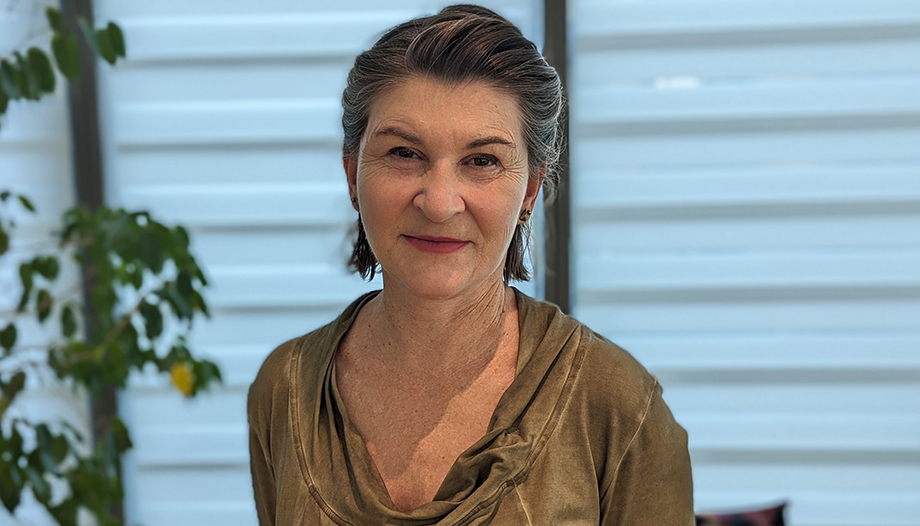
Tammy Peterson's path to conversion to Catholicism emerged from the darkness of illness and despair. After being diagnosed with a rare and aggressive form of cancer, Tammy faced months of pain, surgery, and a long recovery. It was during this period of extreme fragility that, on the recommendation of a friend, she began to pray the rosary.
What began as a search for comfort turned into a spiritual encounter that culminated in his baptism and full entry into the Catholic Church. His story is a moving example of how faith can flourish even in the most difficult circumstances.
How was your relationship with your parents?
—My father was a businessman and was always very busy. He had a very open mind and instilled in me a lot of courage and strength to try things that were unknown or seemingly beyond my reach. Thanks to him, I inherited an open mindset, and I am truly grateful to the Lord for that.
My mother was also by my side, but she didn't fully trust my father. Years later, I understood why: she had probably been abused by her own father, who died very young. He was a man with depression, and it was clear that he wasn't well. I always noticed that my mother distrusted my father to some extent, and that was difficult for me growing up. My father had friends who would stay at the office after work to drink together, and my mother was always suspicious of what might happen there. Many people face problems like these, and it's not easy to integrate them into your own life. Still, my father was a great person, and I feel very fortunate to have had him.
My mother had early-onset dementia. She began to get sick at age 50 and passed away at 70. At the time, she and my dad were living in Vancouver, while I was in Toronto. I would travel to help them: I would find a caregiver, clean, organize their medications, and make sure they were both eating well. Fortunately, all four of us siblings helped out. We were all there to support my father, who cared for my mother until the end.
At one point, the medication made my mother paranoid again. She began to suspect my father once more, and I felt the same way I did in my teens, when she also mistrusted him unfairly. In a way, it was like a blessing from God that allowed me to see clearly that this paranoia came from my mother, not my father. And I thanked him inwardly, because he showed me something important.
Finally, they changed my mother's medication and she stabilized again. The two remained together until her death. It was only a brief episode, but a significant one, because it taught me something essential and allowed me to become very close to my father during the last twenty years of his life, which ended at the age of 93, just a couple of years ago.
Now I see it as God's grace: we receive what we need to learn just when we need it.
How would you describe your spiritual life in your youth and before rediscovering your faith?
—I grew up in a Protestant church environment. When I was little, both of my grandmothers were active members of the Protestant faith. My paternal grandmother played the piano at church. And my maternal grandmother sang in the choir. They were both great role models for me.
When I was little, I went to Sunday school at church, but I don't remember my parents being there. I had three older brothers, who I think also went. Apart from attending Sunday services, we didn't pray at home, not even to say grace before dinner or bedtime prayers.
In the summer, we participated in activities at an Adventist church. And as a child, I also went to some camps with different types of churches, something that didn't matter to my parents at all.
As a teenager, I was a very curious girl. We lived in a very remote place, and I used any excuse—no matter how insignificant—to skip church. When I left home and started college, I attended church during my first year. But when the next year began, the minister started with the same sermon he had given the year before, and I took that as an excuse to stop attending.
It's funny how many excuses a person can come up with when they're really just looking for ways to avoid something.
I recall those times and all those little excuses I used without understanding why I really didn't want to go to church, or why it might be beneficial for me to do so, regardless of the time, who was there, or where the church was located. None of that was essential.
How is your life now that you have returned to the faith?
—The only truly important thing I have learned is that I go there, sit down, put my feet firmly on the ground, and thank God for being alive, for having one more day to do what He wants me to do. That is what I have learned. I understood it when I was six years old, and I have lived that way ever since.
How has my life changed? It's interesting. One day, while my husband Jordan and I were talking about the transformations I had experienced since returning to the faith, we wrote a list of virtues that had emerged in me since my conversion. We came up with a total of thirty virtues that I have received since that moment.
(Tammy looks for a piece of paper and begins to read it.).
I will review some of them: I am more like a little girl, more fun, less cynical, less volatile, less concerned with control and power; more patient and kind; more focused on the well-being of others; more hospitable, more obedient, more present, more beautiful, warmer; more discerning, more elegant, more serene, more resilient, more compassionate; more socially adept; a better mother; easier to negotiate with; more willing to listen and converse; more precise with my words; I think more deeply; I am more creative; easier to work with; a better leader; more attractive; more confident in my courage, more courageous with confidence, and more thoughtful.
These are many of the ways my life has been transformed since my conversion. It is truly extraordinary. I never imagined the depth of the changes that would come into my life...
You have been through cancer. How has your faith helped you get through it?
—I don't know if I could have gotten through my cancer experience without God's help. It was truly an amazing experience. I left everything in God's hands, and I learned something fundamental: we don't have to worry about the thoughts we don't want to have. Before, I let my mind wander uncontrollably, but now I understand that I can choose what to think about. If a thought is inappropriate, I simply fight to make it go away. It's a lesson that has helped me understand the superficial nature of certain thoughts and how to let them go.
Before my conversion, I grew up Protestant, but my grandmother converted from Catholicism to Protestantism. When I was a child and entered a church, I wondered where the Virgin Mary was, because she wasn't evident there, and that confused me. Later, during my conversion, I had a profound experience: a Mexican grandfather from New Zealand helped me reconnect with my Catholic faith. He prayed with me in Spanish and told me that my grandmother was with me. This made me feel that I had repaired a historical rift in our family, and it allowed me to see the Catholic faith as something that had always been present, even if I hadn't fully understood it since I was a child.
During my illness, Queenie, a good Catholic friend, taught me how to pray the Rosary. Learning and praying the Rosary gradually brought me closer to Jesus as my savior. Today, I continue to pray it every morning; it helps me stay on God's path and not my own. The beauty of the Catholic Church—the priests, the icons, the vestments—also taught me to be more humble, for beauty reminds us of God's greatness and humility, and helps us pause and focus on Him.
What other things have surprised you about Catholicism?
—Confession was a profound experience of forgiveness for me. Some time ago, I learned the techniques Al-Anon and the Twelve Steps, a program of spiritual principles and practical actions originally developed by Alcoholics Anonymous. That's how I learned to know myself better and share my mistakes, but Catholicism allowed me to go deeper, freeing me in Confession from past burdens that I couldn't forgive myself. The Eucharist, for its part, is a concrete practice that teaches us to receive God's grace, even on the most difficult days. Practicing prayer and communion prepares us to accept grace when we really need it.
Our society has become increasingly divisive and superficial, sometimes incapable of nuance. The Church, on the other hand, teaches us to be humble, attentive, and open. Prayer and listening to God's will guide us to act in a right and loving way, even amid the confusion and division we see around us. Daily practice, though simple, allows us to draw closer to God and live according to His will. Even small acts—sitting and looking out the window, breathing consciously, giving thanks for the light and life God gives us—are ways to cultivate spirituality and humility in our daily lives.
Parenting also reflects this. Observing my three-year-old granddaughter taught me the importance of guiding without imposing, of supporting and correcting without becoming oppressive. Respect and patience in relationships are extensions of the spiritual practice that the Church teaches us. This applies not only to the family, but also to society in general, especially in times of polarization and division.
Now, I have a podcast to spread these ideas. I speak mainly to young women, helping them find their way, reconcile faith with their lives, understand the importance of family and motherhood, and navigate the modern feminist narrative with Christian awareness. I try to teach them that they can aspire to a full and meaningful life without renouncing their faith or their deepest calling.
What role did your husband play in your conversion?
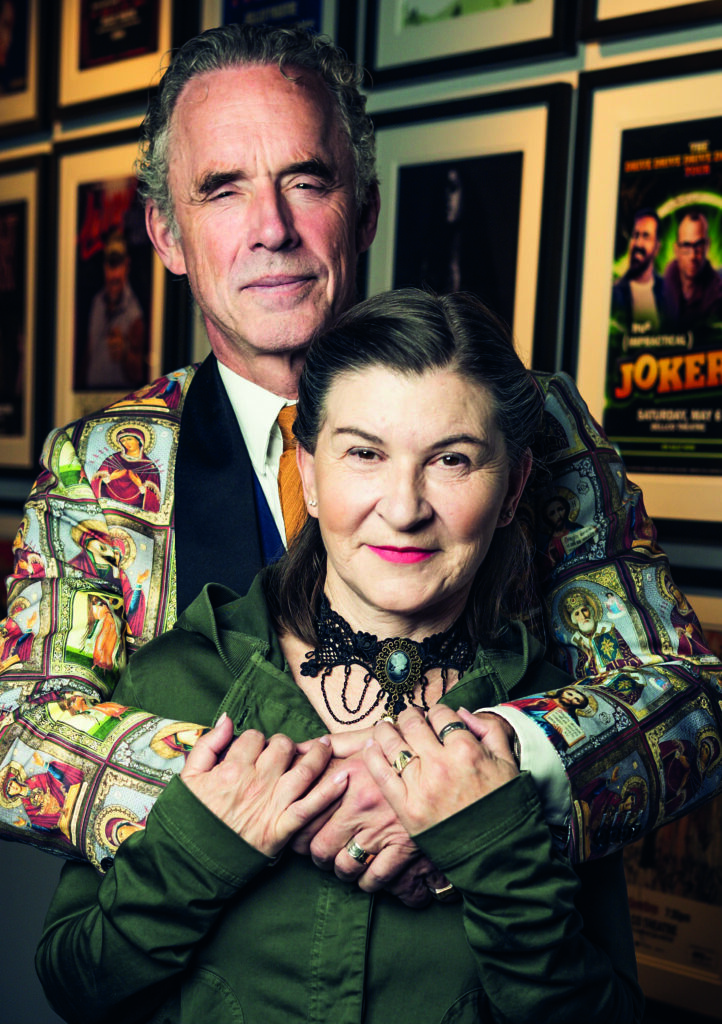
—My husband has been a key influence on my faith and conversion. Through his example, dedication, and support during my most difficult years, I learned to listen, observe, and trust God in every decision and challenge. His support was instrumental during my diagnosis and treatment, and he taught me the value of practical and patient love in everyday life.
This entire experience—the cancer, the conversion, the family, the parenting, the service to others through the podcast—has taught me that living the faith is not just an act of prayer, but a daily commitment to do what is right, to guide others with love, and to seek God's grace at all times. It's about small daily steps, conscious acts, humility, and gratitude. And above all, it's about recognizing that God accompanies us every step of the way, guiding us and strengthening our lives, even in the deepest trials.





 Español
  English
  Italiano
  Français
  Deutsch
  Polski
  简体中文
简体中文