


- Gina Christian, OSV News
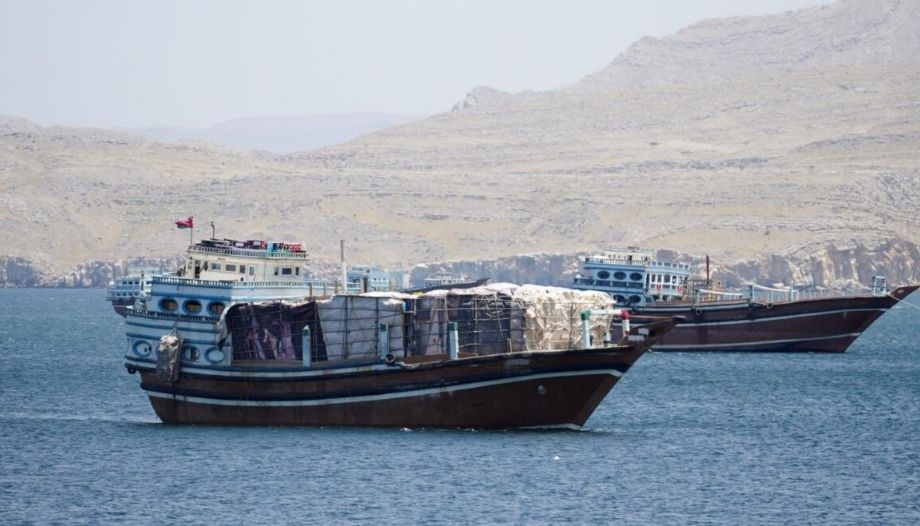
Around 20,000 seafarers from hundreds of vessels, including oil tankers, gas tankers and cargo ships, have been stranded in the Persian Gulf, unable to cross the Strait of Hormuz, according to the latest data at press time.
“We have organized prayers of intercession, and many of our chaplains are reaching out to see how we can intercede,” said Sister Joanna Okerke, U.S. national director of Stella Maris, The maritime apostolate of the Catholic Church, whose name invokes the Marian title of “Our Lady, Star of the Sea”.
Its origins can be traced back to Scotland in the 1920s.
Sometimes known as the Apostleship of the Sea, This initiative has its origins in Scotland in the 1920s and has been supported by numerous popes, including St. John Paul II, who updated the norms for this work in 1997, and, more recently, Pope Leo XIV. The apostolate is overseen by the Vatican's Dicastery for the Service of Integral Human Development.
In the United States, Auxiliary Bishop Frank Schuster of Seattle is the Episcopal promoter of Stella Maris. According to the International Maritime Organization (IMO), the United Nations agency responsible for ensuring maritime safety, security and environmental compliance, an estimated 20,000 seafarers are currently stranded in the Persian Gulf.
The situation of the seafarers is “terrible”.”
IMO Secretary General Arsenio Dominguez shared that figure in an interview with CNN on April 16, describing the seafarers“ situation as ”terrible.".
“It's about mental health, it's the exhaustion that these innocent sailors are suffering,” he told CNN anchor Richard Quest.
Dominguez said he was very grateful to the countries of the region because they continue to provide essential supplies, even with the challenges that exist!.
But he warned that “the longer this conflict drags on,” the more the situation at sea will escalate into a crisis.
Strait of Hormuz officially closed
Iran officially closed the Strait of Hormuz, a strategic maritime point connecting the Persian Gulf to the Gulf of Oman, on March 4, days after the United States and Israel launched joint strikes on February 28 that killed several senior Iranian officials, including Supreme Leader Ayatollah Ali Khamenei.
During the war, both Iran and the United States have blockaded the strait, and continue to do so despite the cease-fire and a brief respite in the blockade of maritime traffic. U.S. Defense Secretary Pete Hegseth told a press conference on April 24 that the blockade would remain in place “as long as necessary.”.
At least seven sailors were killed in March when their ships were attacked, and Dominguez issued a statement on March 6 calling the blockade “unacceptable and unsustainable».
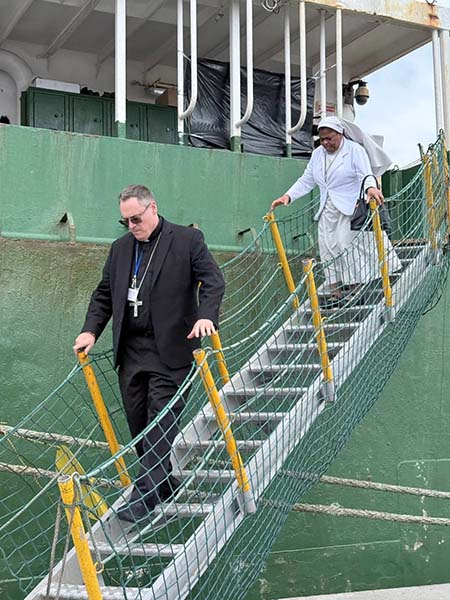
Stella Maris in the United Kingdom
At the beginning of the war, Bishop Luis Quinteiro Fiuza, president of the Apostleship of the Sea, wrote to the bishops promoting Stella Maris around the world, the text of which was summarized in an April 17 Facebook post by Stella Maris in the United Kingdom.
“Bishop Luis expressed his deep concern over the ongoing military operations and increased tensions in the Strait of Hormuz, as well as their direct impact on seafarers,” Stella Maris UK said in its statement.
“These are civilians, men and women, unconnected to the conflict, who through their daily work, support their families, support global trade and contribute to the common good. Despite this, many now find themselves working under conditions of great stress, facing fear, uncertainty and real danger.”.
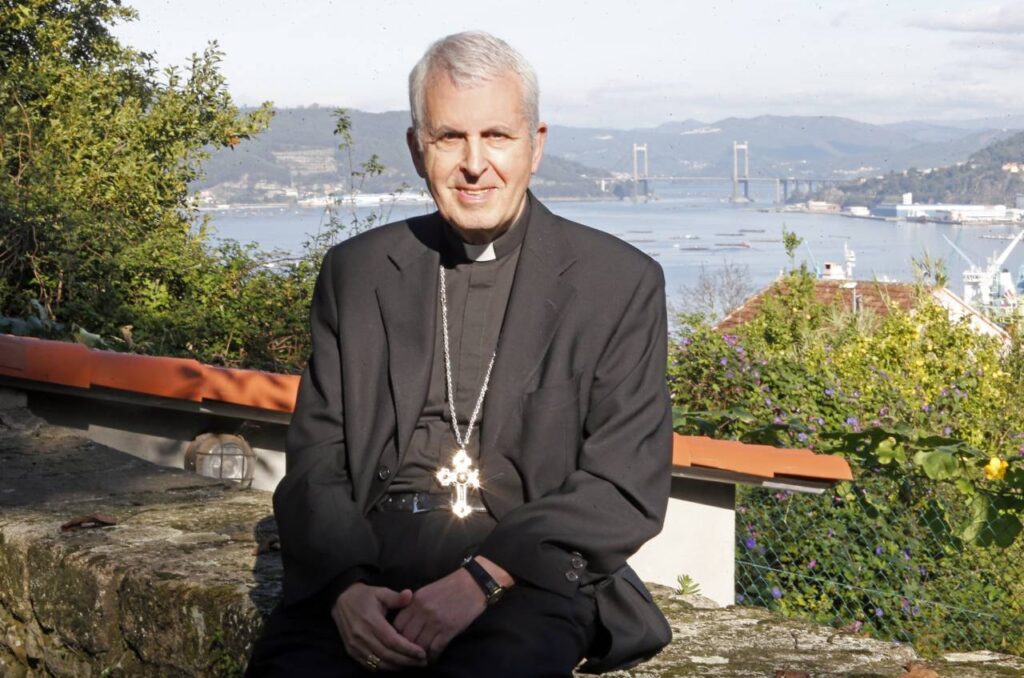
Bishop Luis Quinteiro: invitation to pray
The publication quoted the bishop's letter, which stated, “We invite the entire Apostleship of the Sea family to pray for those in high-risk areas, for their safety and protection from harm, and for the families waiting at home with concern.”.
On December 19, 2025, the Holy See, through the Dicastery for the Service of Integral Human Development, appointed Bishop Luis Quinteiro Fiuza (bishop emeritus of Tui-Vigo) as president of the Apostleship of the Sea, and Filipino Father Ritchille Salinas SVD, secretary general.
A dangerous profession, now more deadly
The blockade has made an already difficult and dangerous profession even more deadly, said Sister Joanna, a member of the Order of the Handmaids of the Holy Child Jesus.
“This problem is affecting many people,” he said. “Many are still at sea and their families are worried. This is breaking up families.”.
Doreen Badeaux, secretary general of the U.S.-based nonprofit Apostleship of the Sea, told OSV News that concerns about the stranded mariners were addressed at the group's conference in early April.
“It's the tremendous stress they are under,” related Badeaux, whose organization acts as a professional and educational association for Catholic maritime ministers, cruise ship priests, mariners and others who support maritime ministry.
Stranded sailors in need of assistance
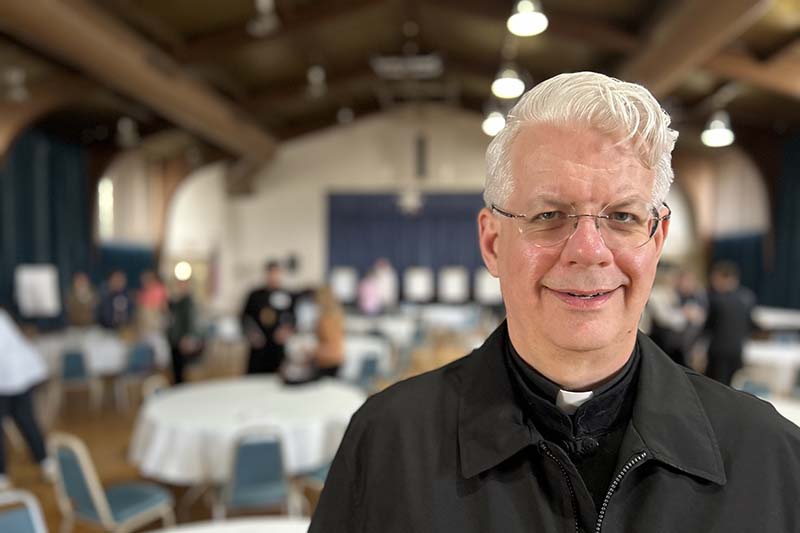
Fr. Paul Makar, a Ukrainian Catholic priest of the Archdiocese of Philadelphia who is training for the ministry at Stella Maris, told OSV News that it is critical to provide the stranded sailors with “at least some kind of assistance.”.
The priest, a former naval officer and qualified naval engineer, said that crews caught in the blockade face a number of stressors exacerbated by the conflict.
Since more than 80 % of the world's goods are transported by sea, Father Makar explained that the work involves long months at sea and demanding port loading schedules.
He explained that sometimes the teams work “between 24 and 36 hours at a time just to meet loading and unloading deadlines”.
Storms, piracy, security in the midst of anxieties
Other concerns he mentioned were storms, piracy, security problems and vessel abandonment, a situation in which shipowners withdraw support for ships, leaving seafarers stranded and uncompensated far from home.
Data from the International Transport Workers' Federation show that abandonment reached record levels in 2025, with more than 6,000 seafarers affected that year alone, the sixth consecutive year of such increases.
Now, according to Father Makar, the sailors affected by the blockade are worried about their next meal and whether they will have air conditioning and enough fuel. There are some ships that have not been able to receive fuel.
He asked for prayers for all those affected.
“It's a very dangerous profession, and has been since the beginning of time,” Father Makar said, adding that Stella Maris and other maritime ministries “always strive” to let seafarers know that “they are not alone.”.
—————-
Gina Christian is a multimedia reporter for OSV News. Follow her on X @GinaJesseReina






 Español
  English
  Italiano
  Français
  Deutsch
  Polski
  简体中文
简体中文