



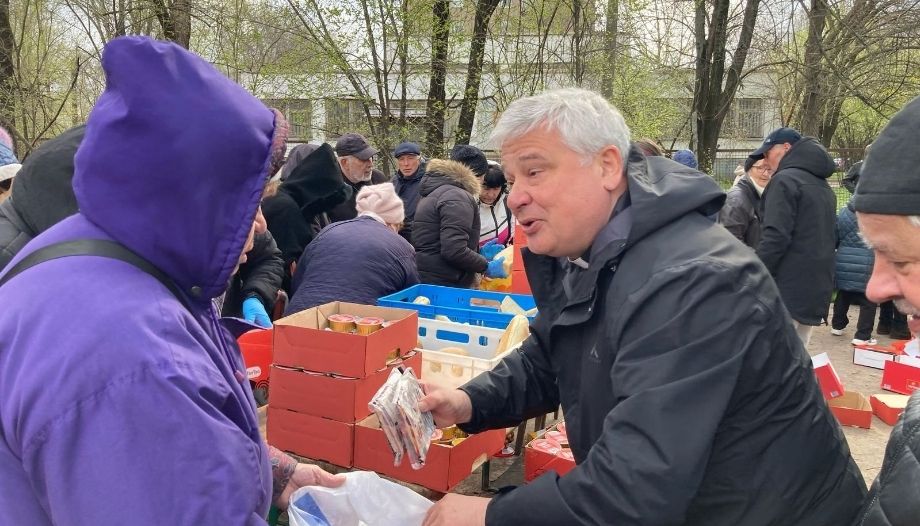
The Pope's latest aid through the Office of Papal Charities, and from the man popularly known as the Pope's Robin Hood, Cardinal Konrad Krajewski, was financial support to several countries before Christmas. And on Holy Family Sunday, three trucks loaded with humanitarian aid from the Korean company Samyang Foods, for Ukrainian families in devastated war zones, “where there is no electricity, water, or heating.”.
The story of Giuseppe was told by Polish Cardinal Krajewski himself. On World Day of the Poor, a homeless man in Rome received a pair of new shoes from the Dicastery for Promoting Integral Human Development (its current name). The gesture was not only a material gift, but a symbol of dignity restored for someone living on the streets.
In addition, on November 16, a lunch for around 1,300 people living in poverty, social exclusion, unemployment, migration, or homelessness, invited by Pope Leo XIV.
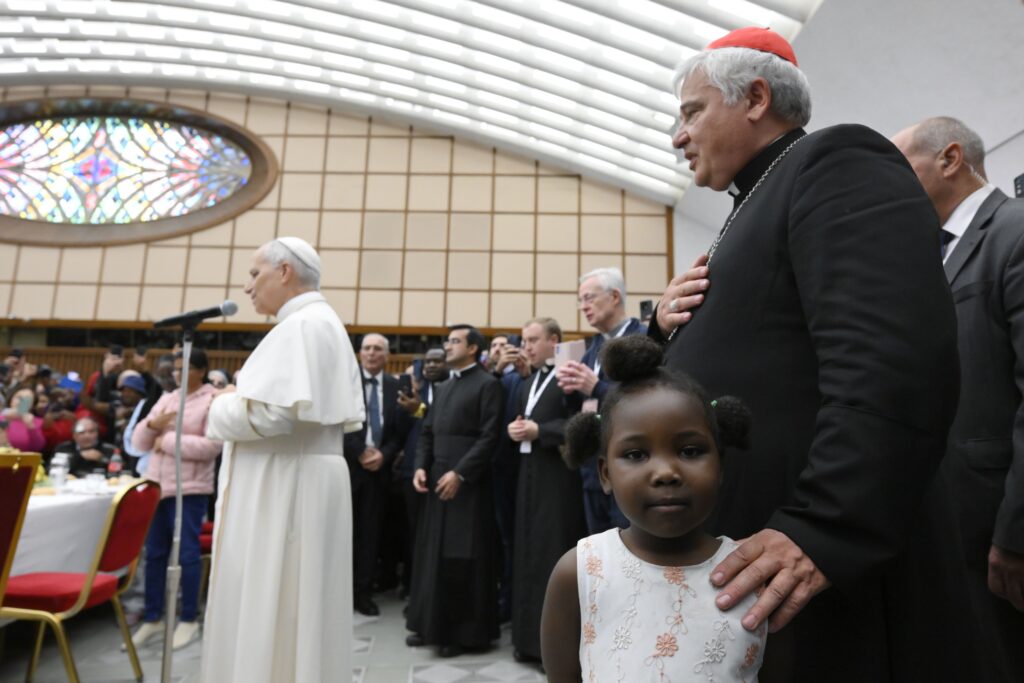
The atmosphere was filled with fraternity and Neapolitan music, and the guests enjoyed a simple but dignified menu, including vegetable lasagna, breaded steaks with potatoes, and dessert, served by volunteers from the Vincentian Family and other collaborators in a gesture of welcome. Leo XIV emphasized in his remarks that this gesture was “much desired by his beloved predecessor, Pope Francis,” expressing a spirit of gratitude and fraternity.
Another clinic in San Pedro, San Martino, for medical care
But the charity of the Pope and the Church is not limited to Christmas lunches or dinners. On Sunday, November 16, Pope Leo XIV inaugurated a new medical center under St. Peter's Colonnade to care for the most in need. This is the new San Martino clinic, created in collaboration with the Health and Hygiene Department of the Vatican City State.
Ten years after the opening of the Madre de la Misericordia Clinic, the center of the Office of Apostolic Charity that offers free medical care on a daily basis to those living in poverty, marginalization, or need, this new space was inaugurated. The goal? To improve service and expand the range of health services provided on a daily basis.
Two thousand healthcare services per month
Now, the two clinics together provide more than 2,000 free medical consultations each month, thanks to the work of some 120 volunteers (doctors, nurses, and technicians), according to Vatican sources.
Approximately 10,000 poor and needy people from around 139 different nationalities have been assisted by these services. In addition to general and specialized medical consultations, these centers offer free dental care, blood tests and X-rays, removable dental prostheses, glasses and hearing aids, and free medication.
Services for homeless people
On the other hand, services are provided for homeless people. The Madre de la Misericordia clinic, along with showers and barbershops, is a point of reference for those who live on the streets around St. Peter's Square. In addition to care under the colonnade, there are mobile medical units and services that visit outlying areas of Rome to provide medical care to other vulnerable sectors.
“The Face of Jesus”
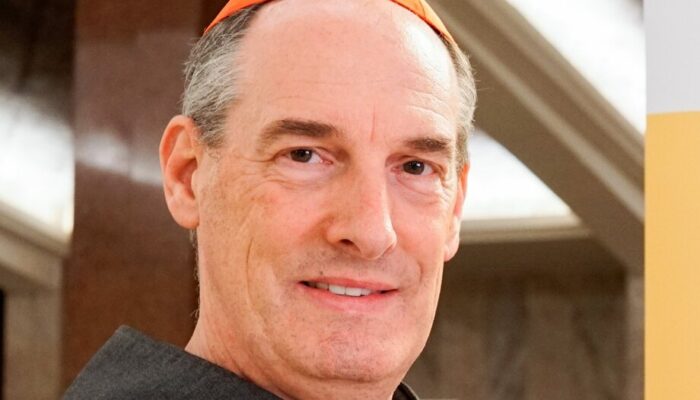
These are places where people are welcomed and cared for, restoring dignity to those who knock on the door of the Alms Office. They are people in need, “in whom we do not see a homeless person, a poor person, but the face of Jesus,” emphasized Cardinal Krajewski, Almoner of His Holiness.
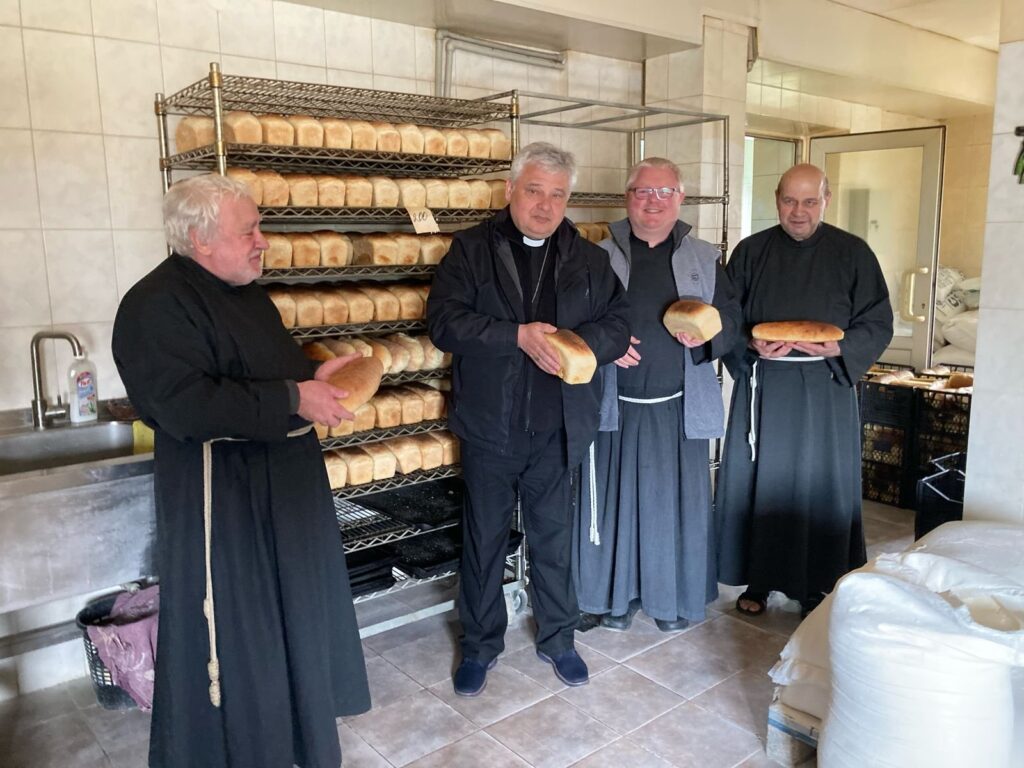
Hunger lines: gratitude in Ukraine
In a recent mission by the Cardinal Krajewski in Ukraine, also transporting ambulances, people expressed their gratitude by shaking hands or nodding to show the importance of aid in wartime.
Monsignor Vasyl Tuchapets, Greek Catholic bishop in Kharkiv, publicly expressed his gratitude to Pope Leo XIV and, by extension, to the Office of Papal Charities for the food packages delivered with the message “Gift from Pope Leo XIV to the people of Kharkiv.”.
The bishop pointed out that these food boxes can sustain a person or couple for weeks, providing concrete help to families who have lost everything due to the war.
Sister Renata Jurczak: “shouting for joy”
Meanwhile, Sister Renata Jurczak, who runs a home for single mothers in Kharkiv, said that receiving calls offering financial support or supplies “made her scream with joy.” This meant resources for food, generators, and classes for children who would otherwise have no access to educational or recreational activities.
She and other nuns expressed how important it is to feel “the Pope's closeness” through this direct aid, she said in America Magazine in January 2023.
Kharkiv, welcoming single mothers and refugees, normality for children
Sister Jurczak and three other Orionite sisters from Kharkiv are hosting 25 people in their home, mostly single mothers, but also refugees and families who lost everything in eastern Ukraine due to the Russian invasion.
“We are very grateful to the Holy Father; it will really make a difference,” she said. Sister Jurczak added that she will use the papal money mainly for diesel supplies. “The electric generators run on diesel, and we use them constantly. The children have online classes; when there is no electricity, they have no school,” she said. They also need generators for cooking.
The Vatican money, she adds, offers a bit of normal life to the neighborhood children, but also to the teachers who stay at home because they cannot work in their usual jobs. They teach karate, music, and English to the children, and now we will be able to pay them for their work, Sister Jurczak said.
Other countries and international aid
Although Ukraine has been one of the most visible focal points in 2025, the Office of Papal Charities has also sent aid to other regions affected by emergencies (wars, humanitarian crises, and poverty), following the Pope's calls not to abandon the most vulnerable around the world.
For example, in previous years we have sent vans, ambulances, and support to countries such as Syria, Lebanon, and various areas of Africa and Asia, a service that continues.
Where do the funds come from?
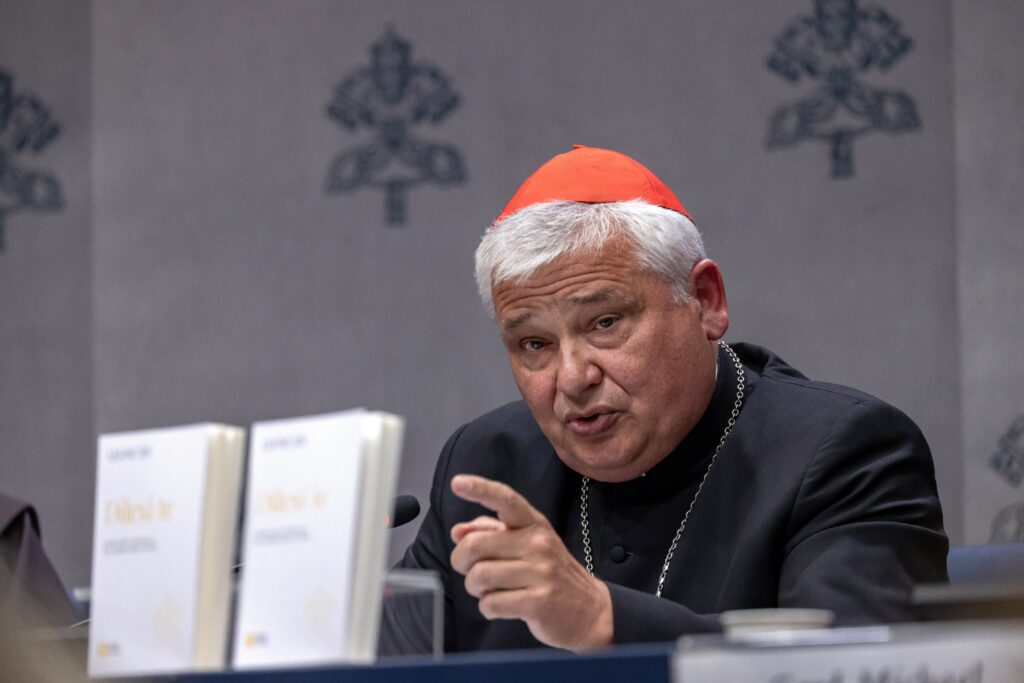
The question now, in conclusion, is to ask where the funds to meet these needs come from. What is the annual budget of the Office of Papal Charities headed by Prefect Krajewski?
Unlike a state department in a country, the Office of Papal Charities does not receive a fixed budget allocation. In practice, according to Vatican sources and the official agency, its funding comes from the following sources:
– Specific donations that go to Peter's Pence with the intention of helping the poor. Peter's Pence is a traditional worldwide collection made by Catholics around the world to offer direct support to the Pope in his pastoral and charitable mission.
– Funds that the Pope decides to allocate to charity through the Óbolo or other special income.
– Extraordinary contributions in emergencies (conflicts, natural disasters, humanitarian crises).
Therefore, its capacity to provide assistance depends on the specific funds allocated by the Pope each year and on the donations received.
2024 Report on St. Peter's Pence
According to Vatican sources, donations collected in 2024 amounted to €58 million, €6 million more than in 2023. €13.3 million was allocated to 239 social and assistance projects in 66 countries from all continents. You can find more information here.
The Vatican's annual report indicates that the Pope, through the Roman Curia, donated another €37.3 million to charitable works (€6.2 million of which came from the Óbolo), which, added to the €13.3 million allocated directly to assistance projects, amounts to a total of €50.6 million invested in charity.




 Español
  English
  Italiano