



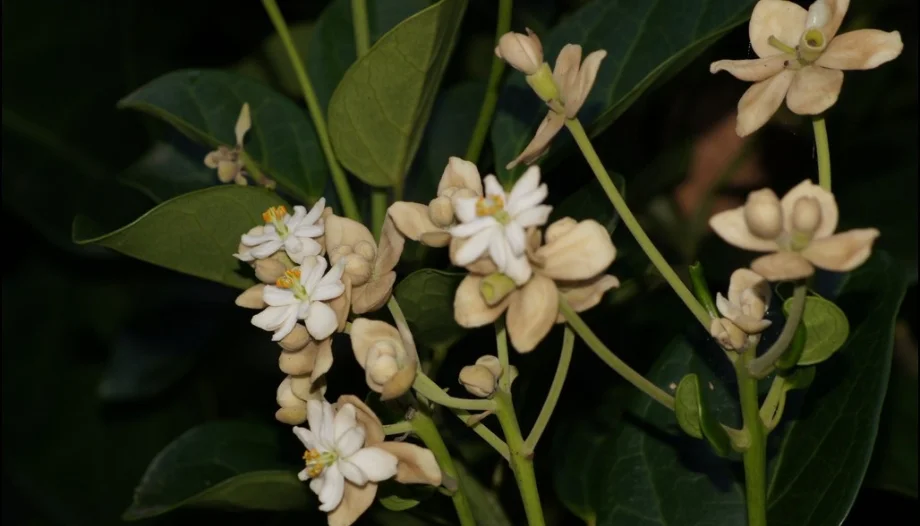
Francisco Hernández de Toledo (1515-1587) was a Spanish physician, botanist and naturalist considered a pioneer of modern science in America. Born in La Puebla de Montalbán (province of Toledo), he studied medicine at the University of Alcalá de Henares, where he was trained in the classical knowledge and medical disciplines of the time.
Hernandez stood out for his interest in medicinal plants and for applying an empirical approach to his observations, which made him a reference among Renaissance physicians. His most important legacy comes from the scientific expedition, the first in history, which he led in America between 1570 and 1577, after being appointed protomedic of the Indies by King Philip II, whose chamber physician he was. His objective was to study the flora, fauna and indigenous medicine of New Spain (present-day Mexico), with the aim of incorporating this knowledge into Spanish knowledge.
During his stay in America, he traveled through extensive regions of Mesoamerica, collected information directly from physicians and indigenous sages, and experimented with the plants collected at the Hospital Real de Naturales in Mexico City. He documented more than 3,000 plant species, many of them previously unknown, and compiled detailed descriptions of their medicinal uses, properties and cultivation methods. He also described animals and minerals, thus integrating a comprehensive natural panorama of the continent.
His main work, “Historia Natural de la Nueva España”, is a monumental treatise in which European science is mixed with indigenous knowledge. A large part of its originals, deposited in the Library of El Escorial, were lost in a fire, but work is currently underway on a complete reconstruction of the treatise from copies found in multiple locations.
Francisco Hernández is considered a precursor of ethnobotany and tropical medicine. His respectful approach to indigenous knowledge and his systematic method position him as a key figure in the history of science.
Francisco Hernández was a convinced Catholic, as his will attests: “...believing as I firmly and truly believe in the holy catholic faith and in all that the Holy Mother Church of Rome, governed and enlightened by the Holy Spirit, has and believes...”.”
Francisco Hernández de Toledo (1515-1587) was a Spanish physician, botanist, and naturalist considered a pioneer of modern science in the Americas. Born in La Puebla de Montalbán (province of Toledo), he studied medicine at the University of Alcalá de Henares, where he was trained in classical knowledge and the medical disciplines of the time.
Hernández was noted for his interest in medicinal plants and for applying an empirical approach to his observations, which made him a leading figure among Renaissance physicians. His most important legacy comes from the scientific expedition, the first in history, that he led to the Americas between 1570 and 1577, after being appointed protophysician of the Indies by King Philip II, whose physician he was. The objective was to study the indigenous flora, fauna, and medicine of New Spain (present-day Mexico), with the aim of incorporating this knowledge into Spanish scholarship.
During his stay in the Americas, he traveled through vast regions of Mesoamerica, gathered information directly from indigenous doctors and scholars, and experimented with plants collected at the Royal Hospital of Natives in Mexico City. He documented more than 3,000 plant species, many of them previously unknown, and compiled detailed descriptions of their medicinal uses, properties, and cultivation methods. He also described animals and minerals, thus creating a comprehensive natural overview of the continent.
His main work, «Natural History of New Spain,» is a monumental treatise that blends European science with indigenous knowledge. Much of the original work, housed in the Escorial Library, was lost in a fire, but a complete reconstruction is currently underway from existing copies in multiple locations.
Francisco Hernández is considered a pioneer of ethnobotany and tropical medicine. His respectful approach to indigenous knowledge and his systematic method position him as a key figure in the history of science.
Francisco Hernández was a convinced Catholic, as his will attests: “...believing as firmly and truly as I believe in the holy Catholic faith and in all that the Holy Mother Church of Rome, governed and illuminated by the Holy Spirit, has and believes...”
PhD. IMDEA Food. Member of the Society of Catholic Scientists of Spain.




 Español
  English
  Italiano