



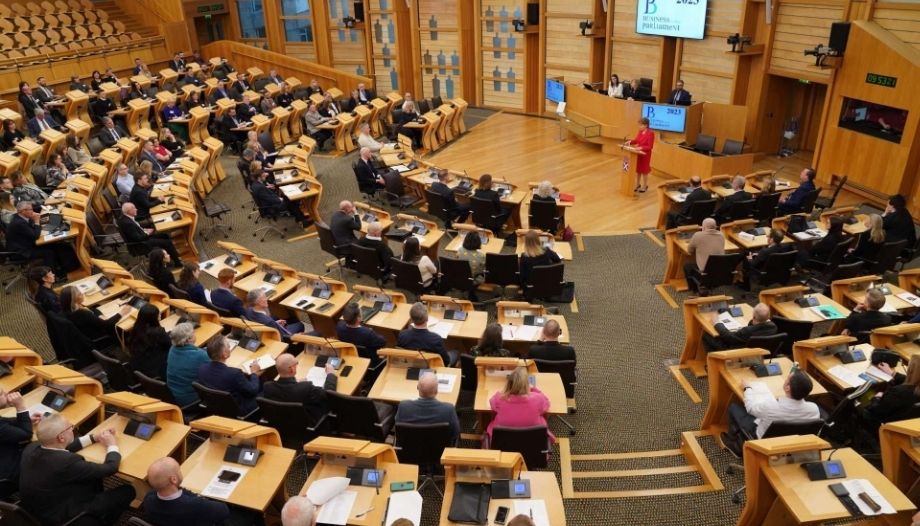
- OSV News
Members of the Scottish Parliament, known as Holyrood, “can rest assured that they have taken the right and responsible action,” the president of the country's bishops' conference said in a press release March 17.
‘Protecting the most vulnerable people’
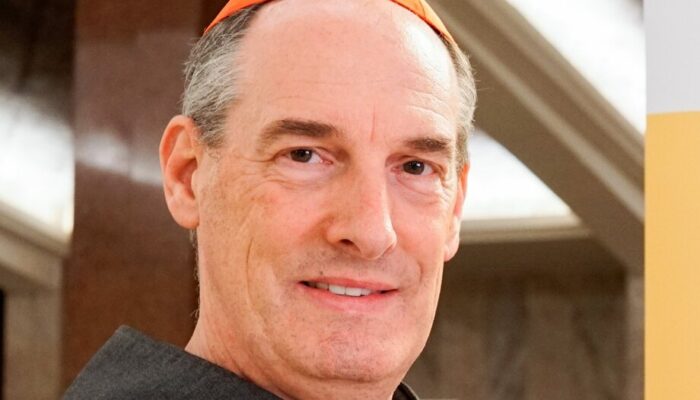
“Their vote serves to protect some of Scotland's most vulnerable people from the risk of being pressed into premature death,” said Bishop John Keenan of Glasgow, who chairs the bishops' conference.
“Every human life has intrinsic value. True compassion is not expressed by ending a life, but by accompanying those who suffer and ensuring that they receive the medical, emotional and spiritual support that recognizes their dignity. No life is worthless,” the statement said.
The bill was introduced in March 2024 by Scottish MP Liam McArthur. Under the bill, eligibility requirements included being 18 years of age or older, suffering from a terminal illness, and possessing sufficient capacity to make and understand the decision. The bill was recently amended to raise the minimum age from 16 to 18.
This bill would have been the first in the United Kingdom - of which Scotland is a part, along with England, Wales and Northern Ireland - to allow euthanasia for terminally ill adults.
Freedom to vote
As reported by the Associated Press, Holyrood MPs “had been given a free vote on the euthanasia bill, which meant they could decide according to their conscience, rather than following party guidelines.”.
“As a society, our responsibility is not to address suffering by eliminating the sufferer, but to surround each person with care, respect and dignity until their natural end,” the Scottish bishop wrote. He added that the March 17 decision “moves Scotland even further in that direction.”.
Strengthening palliative care is next priority
That, too, requires concrete measures, stresses the communiqué, posted on the bishops“ conference website, with an informative mention to The Tablet. »Our next priority must be to strengthen palliative care, ensuring that it is adequately funded and accessible to all who need it," it states.
A decisive and influential victory
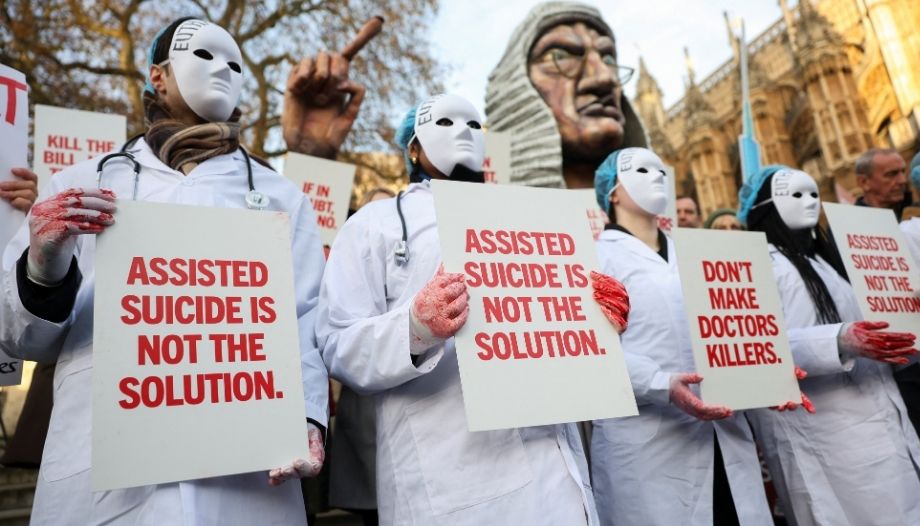
Groups opposed to the measure called the 69 to 57 vote a “great victory” watershed moment, possibly influencing future debates across the UK. It was recently reported that the British Parliament could finally rejecting the legislation long-debated British law that would allow assisted suicide.
In its March 17 release, Right to Life stated that David Bol, deputy political editor of The Scotsman, described the final vote on the bill as “potentially the most important decision in the history of the Scottish Parliament,” a sentiment shared by other leading political commentators.
Right to Life stated that the Scottish public had “serious concerns about the legalization of assisted suicide and the negative impact it would have on Scotland's most vulnerable people,” citing recent statistics.
Concern for victims of domestic violence
Women's policy think tank The Other Half found that 7 in 10 Scottish women were concerned that victims of domestic violence might feel pressured to end their lives if euthanasia were legalized.
“After eating disorder activists warned that people with eating disorders would be eligible for assisted suicide under the bill, the think tank released a poll that found only one in five Scots would support legislation allowing anorexia patients to end their lives through assisted suicide,” the organization stated.
Meanwhile, advocacy group Not Dead Yet UK revealed that 69% of Scottish adults agreed that the Scottish Parliament should prioritize improving access to care for people with disabilities before an assisted suicide bill is introduced, according to Right to Life, which added that only 18% of Scots disagreed.
‘Principle of human dignity’
Expressing his gratitude to members of the Scottish Parliament, Bishop Keenan said he was “especially grateful to those who stood up for the principle of human dignity and advocated for the most vulnerable. Their principled commitment has not gone unnoticed.”.
While the UK Assisted Suicide Bill is expected to fail as a result of the Scottish Parliament's decision, concerns are growing about other life-related issues in UK law.
On March 18, the House of Lords will vote on an amendment to remove a clause in the Crime and Policing Bill decriminalizing abortion. Under this clause, it would no longer be illegal for women to have abortions for any reason, at any time up to or during childbirth.
Proposed amendment to the UK abortion law
“Clause 208, decriminalizing abortion, was inserted into the Crime and Policing Bill after an amendment was passed in the House of Commons last June after just 46 minutes of debate,” stated civil rights advocacy organization Christian Concern in a March 18 press release. In it, it announced a demonstration in London “to rally in opposition to the vote on abortion in the House of Lords.”.
Organized by Christian Concern, the Society for the Protection of Unborn Children, March for Life UK and other pro-life groups, the rally is expected to draw “hundreds” of people to call on members of Parliament to reject abortion up to the moment of birth.




 Español
  English
  Italiano