




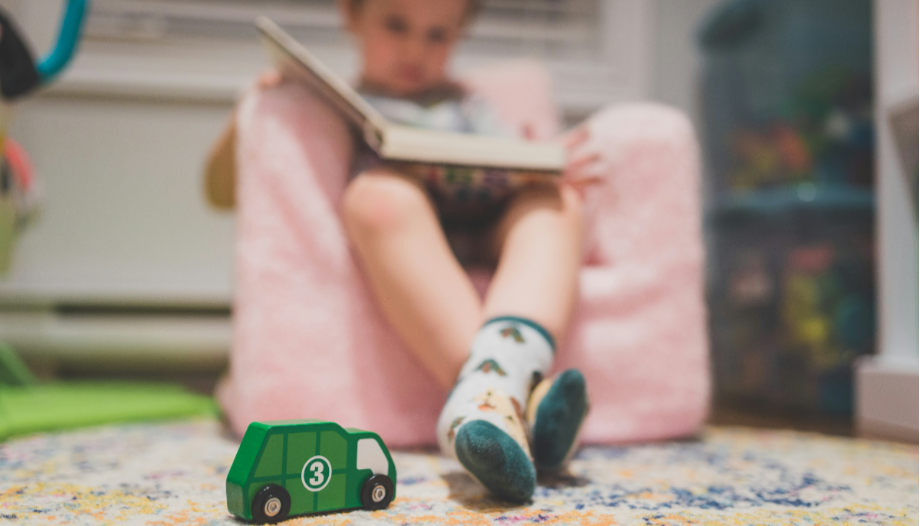
I love the arguments in defense of reading that encourage us to go back to reading a little more in the face of the hegemony of the audiovisual. However, I would like to broaden the argument and add another perspective, since people often talk about reading as if reading were something immediate and almost automatic: open a book, turn the pages and that's it, we are reading.
We all know better. We often read without reading. Our eyes move forward, but the mind wanders. We go back, we repeat a phrase, we try to govern the imagination to capture the meaning of the words. Only when the mind manages to join the rhythm of the text does the magic of literature happen: a new world opens up before us. A 19th century English city, with its elegant way of speaking and dressing; a rural Spain where childhood was poor and simple; foreign lives that, mysteriously, become our own.
For this to happen - to really read and, even more, to enjoy a good book - a teenager needs more than just books: he needs a context. A context of stillness, of passivity, even boredom. He needs to stay at home.
In the face of the hegemony of constant activity and the obsession to fill every hour with extracurricular activities, I dare to make a defense of the domestic, of the house inhabited without a plan. Children and young people do not need to let off steam without rest; we adults have largely invented that need. We are terrified to see them bored. We fear conflict, noise, fights, disorder. And to avoid it, we take them out of the house, we exhaust them, we keep them busy. We want them to move around, to get tired, to sleep early and to make little disturbance. Without realizing it, we take away something essential: the context of a home where you can spend the whole afternoon without a specific goal.
I still remember the first book that made me really enjoy it: one from the collection Kika Superbruja, in 5th grade. I also remember the comic books that accompanied me at home -The Trapisonda family, Carpanta, El botones saccharino, Rompetechos-. I lived their lives. My imagination was expanding. My intellectual activity was immense. I lived many lives without leaving the couch.
Now, with my own children, I have understood more clearly something I already sensed: to read you need books, yes, but you need something more. You need a context. When I myself read a book -not a text from my cell phone- I am creating a climate at home, an atmosphere that encourages other types of activities: studying, painting, writing, looking out the window, reading, inventing, praying, reflecting. In this way, and without always approaching it as an academic or moral obligation, reading can become an adventure again.
As I say, this context is not improvised. It is not created by books alone. What would a library be without readers? A simple warehouse. The same thing can happen to us at home. Our library furniture where we place our books can be just that: furniture. Or they can also be the door to another universe, inhabited by all kinds of creatures, full of stories and adventures, that tell us of wars, of love, and that widen the walls of our home and take us to impossible places and times.





 Español
  English
  Italiano