



Series
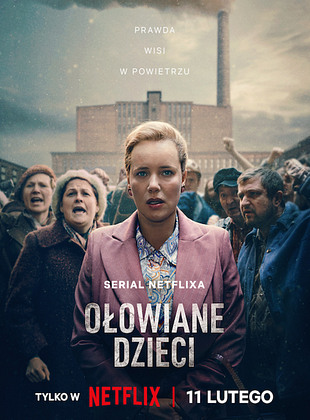
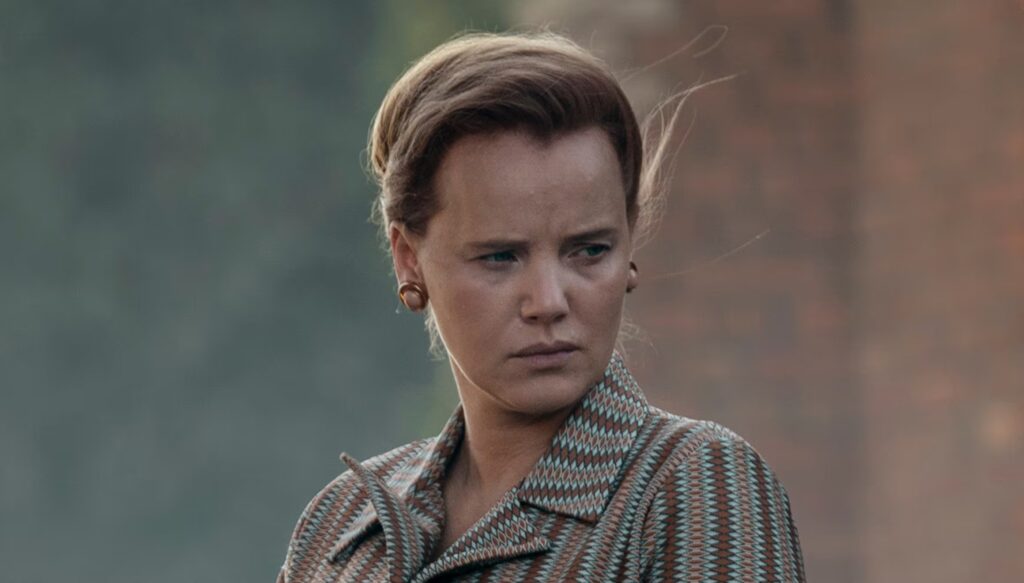
Jolanta is a happily married doctor with several children living in Lower Silesia, in communist Poland in the 1970s. She treats neighborhood patients daily in her own clinic, but would like to pursue a doctorate and practice in a prestigious hospital. Jolanta's life will take a turn when she discovers that children apparently suffering from anemia are being treated suspiciously by the health personnel in her town; dozens of children are showing the same symptoms, and the cause seems to be lead from the regional factory. But the Soviet authorities are unwilling to allow the factory to close, nor are the workers themselves, fearful of losing their only source of income.
This six-episode miniseries tells a story based on true events: the battle waged by Jolanta Wadowska-Król to close the factory and provide dignified care for the numerous children. The story is full of humanity, a commitment to heroism and sacrifice in the face of external pressure, and a very delicate way of showing evil and horror, without being unpleasant for the viewer. Jolanta remains surrounded by gray characters, who, without aligning themselves ideologically with communism, contribute to its consolidation, either out of fear, for comfort, to avoid problems or because they do not consider any other alternative. In this sense, it is interesting the wide range of characters with whom Jolanta relates, whom she must convince and attract to her cause, even within her own family.
The series is a carousel of situations and vicissitudes that moves at a frenetic pace. Jolanta is in continuous movement. Perhaps this is detrimental to a more complex development of the characters, as well as more depth in the treatment of their conflicts and complex issues, but it does not hinder the enjoyment of the events. What's more, it favors the suspense of knowing what will come next. Likewise, with regard to its formal aspect, Lead children is neither innovative nor does it stand out for its narrative treatment. From a very classical position, it tells its story with the utmost conventionality. We have been told something like this many times, with the same style, and this time it is also well narrated.






 Español
  English
  Italiano
  Français
  Deutsch
  Polski