



 The origin of today's relations between Europe and TurkeyEthnicities and religion in TurkeyThe Pope visits the Blue Mosque in Istanbul, but does not stop to pray
This article follows those dedicated to Meteora and the Mount Athos, thus completing the journey through what I have called the Greek Orthodox “spiritual triangle”, whose three vertices are: the Monastic Republic of Athos, the monasteries of Thessaly and, most importantly, Constantinople, the mother, the city from which it all starts.
It is a city that has changed its name three times in the course of two thousand seven hundred years.
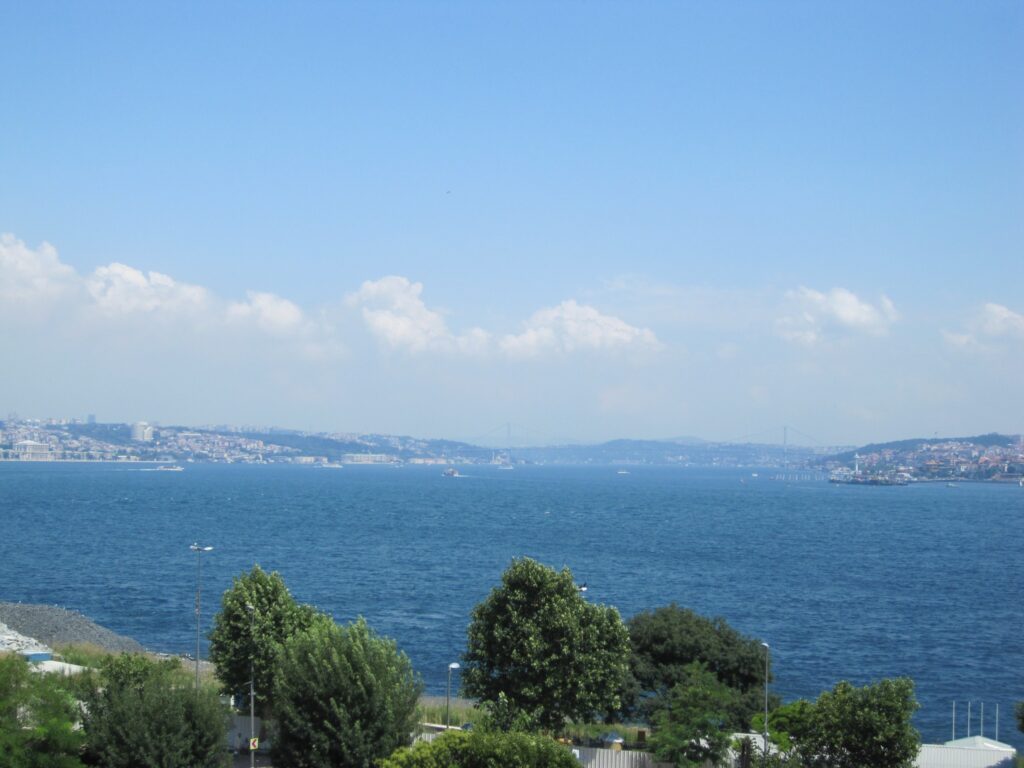
It was originally Byzantium (“Byzantion”), a Greek city founded by Byzas and settlers from Megara, on a triangular promontory where the Golden Horn meets the Bosphorus.
It was later renamed Constantinople when, in 330 AD, Constantine I decided to establish a new capital for his empire, which was increasingly moving eastward. He chose Byzantium for its privileged location, had it rebuilt on a monumental scale and renamed it “Nova Roma”, but this name never caught on with the population: everyone called the city “Kostantinoupolis”, the city of Constantine, and it remained so for more than a thousand years.
The name Istanbul, on the other hand, has a particular history because, contrary to popular belief, it was not imposed by a conqueror. In fact, it was already in use even before the city fell into Ottoman hands in 1453. The Greeks of that area, in fact, used the expression “is tin polin” (which in classical pronunciation would be “eis ten polein”) to indicate the movement “towards the city”, going to the city. And the city par excellence was precisely Constantinople. That expression, by a contraction and a modification of the “p” in “b”, became Istinbolin and then in Istanbul.
Muhammad II, who conquered the city by entering Hagia Sophia on horseback on May 29, 1453, continued to use that name, along with “Constantinople”.
It was not until March 28, 1930 when the Government of the newly created Turkish Republic of Atatürk, by means of an official communiqué, established that Istanbul would be, from that moment on, the only name of the metropolis, which was no longer the capital.
The pier
As a European, arriving in Istanbul - or Constantinople - by crossing Asia is somewhat unique, but it is another of the peculiarities of this city, which, in fact, straddles two continents.
It is 2010, the trip will take me first there and then to Mount Athos. The cheapest flight from Rome, however, does not land at the main airport, but at Sabiha Gökçen, on the Asian side. During the approach, I observe with amazement, over the Sea of Marmara, a handful of islets with white and ochre villas of Istanbul's rich overlooking the water. Then, the asphalt runway, the landing and a strange sensation that will accompany me throughout my stay in the New Rome: that of being a foreigner, but not entirely alien.
From the Asian airport, I take a bus to the ferry terminal and embark for the European shore. The afternoon is cool, it seems to have rained a lot, and the wind from the Black Sea is blowing over the Bosphorus.
The approaching European shore is shown to me in all its splendor: mosques, bell towers, Galata's maze of rooftops. From the pier, a cab takes me to the small apartment of the Dominican friars of Galata, just below the tower.
From Galata to Hagia Sophia
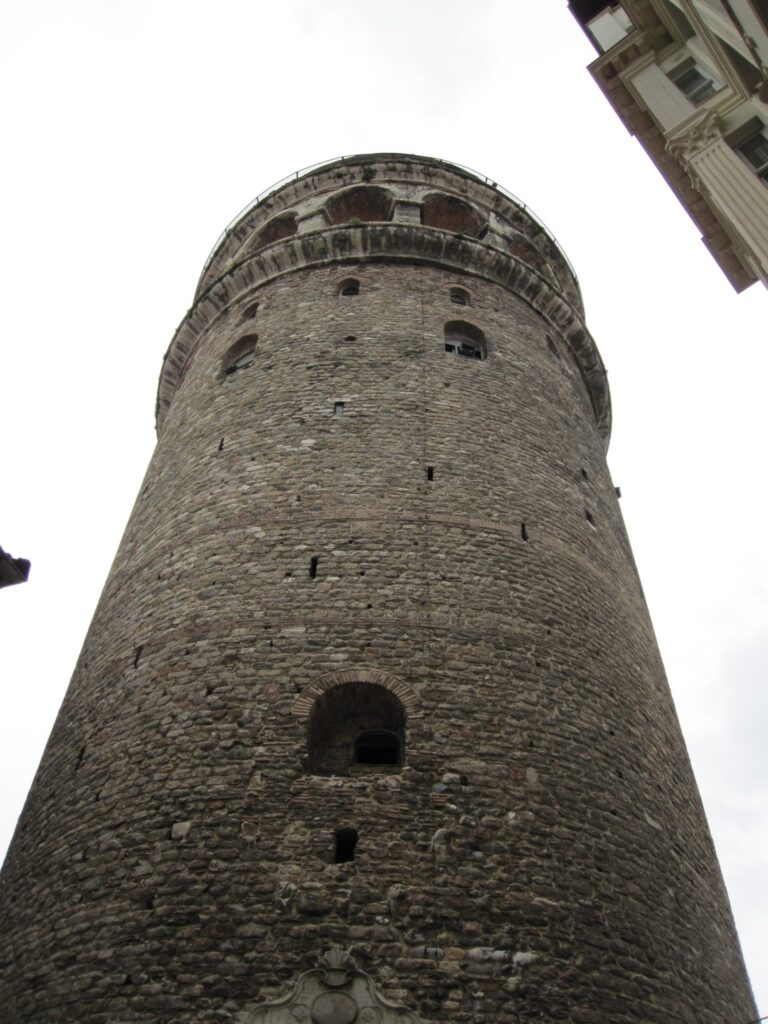
Galata, formerly known as Pera, still retains traces of the Genoese colony that dominated this part of the city for centuries: the Dominican friars have been present there since the 13th century, and the tower that can be seen from almost any point in Istanbul was built by the Genoese in 1348, under the name of the Tower of Christ. As soon as I arrive, I climb the stairs, despite the cloudy sky: from the top, the city stretches out in all directions, the Golden Horn on one side, the Bosphorus on the other, and the minarets dotting the horizon.
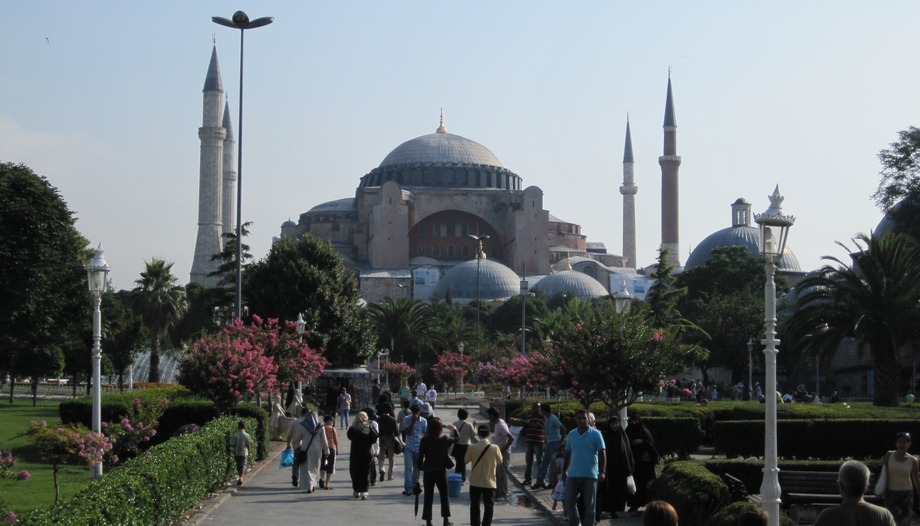
The next day, I leave Galata, cross the bridge over the Golden Horn and take the streetcar to Hagia Sophia, which is literally indescribable. You may have seen the photos, read the descriptions or know its history, but nothing compares to the feeling of having it before you on a mild June morning, with its light colors and the imposing structure.
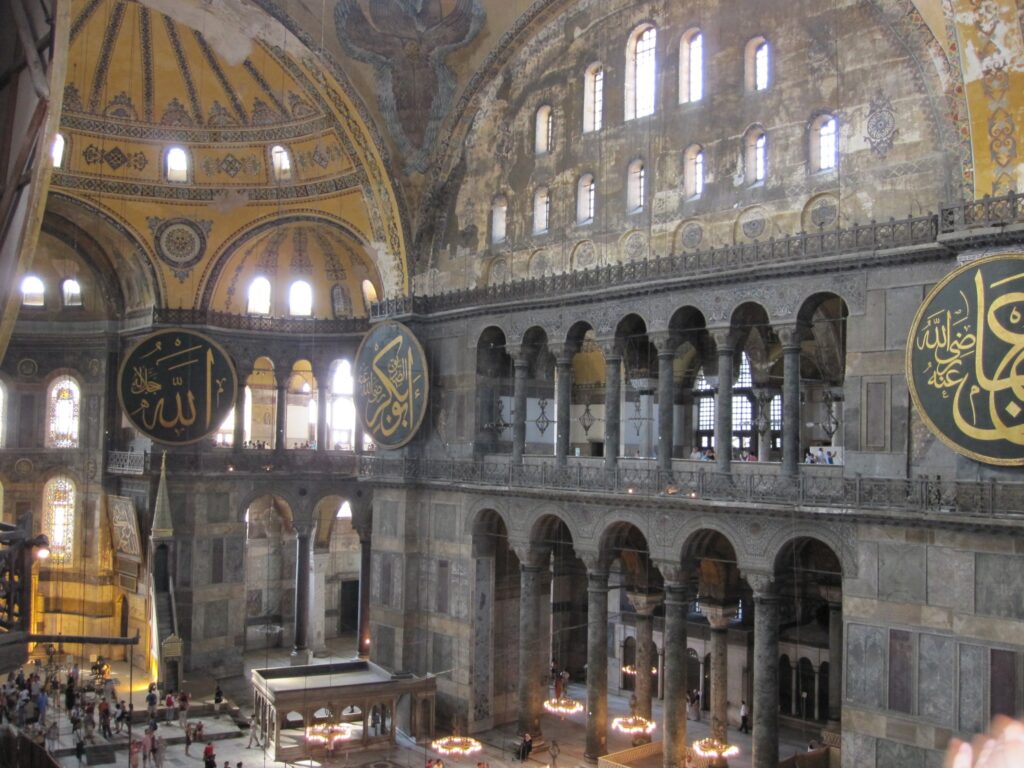
Upon entering, what impresses most is the dome, suspended fifty-five meters above the ground and supported by forty windows; it is the engineering and theological masterpiece of Emperor Justinian I, built between 532 and 537 by the mathematicians Isidore of Miletus and Antemius of Tralles. It is said that Justinian, at the inauguration, exclaimed: “Solomon, I have surpassed you”.
The challenge was enormous: no one had ever built a similar dome on a quadrangular base instead of a circular one. The benchmark was the Pantheon in Rome, completed by Hadrian in the second century, with its 43-meter diameter: a structure that held the record for almost a thousand years. In Hagia Sophia, the dome is smaller, but rests on four pillars instead of a continuous circular wall, making it bolder from an engineering point of view.
The first attempt failed: the dome collapsed in 558, twenty years after its inauguration, and was rebuilt by the nephew of one of the original designers, six meters higher and with the weight better distributed along the walls. The one we see today is the second one. And it has been standing for 1,400 years (although it is smaller than the Pantheon's, which only Brunelleschi managed to surpass with the dome of Santa Maria del Fiore, in Florence, in 1436).
The atmosphere inside is one of solemnity and awe. One feels small among the Christian mosaics that emerge next to the large medallions of Arabic calligraphy with the names of Allah and the caliphs, added after the Ottoman conquest of 1453. On the upper floor, I stand spellbound before the Deesis, the 13th century mosaic of Christ enthroned between the Virgin and John the Baptist. And the face of Christ, consumed by time, looks at you with that expression of «”mperturbability”“ that visually explains the Greek inscription ”“O ΩN”“ (or on, ”"he who is""), as if to say ""I have always been here and always will be"".
The Blue Mosque and resting on the carpet
After the long visit to Hagia Sophia and a small snack of sour cherry syrup, I walk through the Sültanhamet district, the historic center of the city, down to the ruins of the great hippodrome built by Septimius Severus in 203 AD and enlarged by Constantine. Today it is a square with an Egyptian obelisk in the center: almost nothing of what it was. What impresses me most is to know that the famous St. Mark's Horses of Venice stood here, in the starting tower of the races, until 1204, when the soldiers of the Fourth Crusade sacked the city and took them away. And it was also here, in 532, that Justinian ordered the massacre of thirty-five thousand rebels who had devastated the capital and burned the first basilica of Hagia Sophia, later rebuilt in its present form.
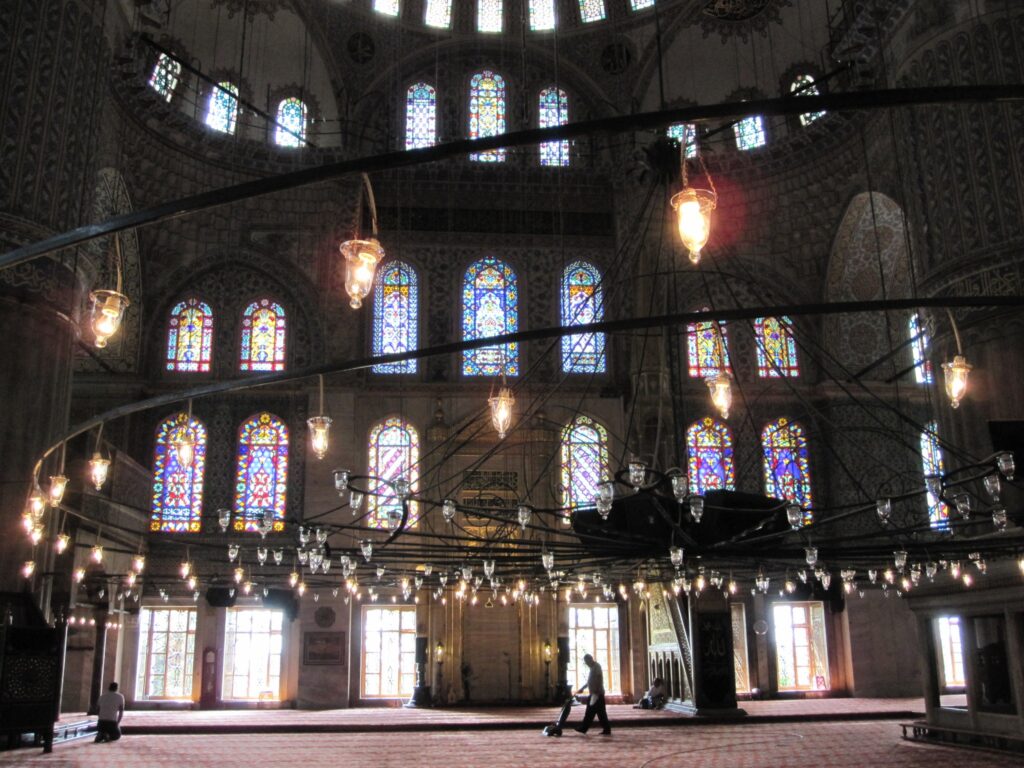
After lunch, it's time to rest! But not on a bed, but on the great carpet of the mosque, built between 1609 and 1616, a few steps from Hagia Sophia: six minarets, fifty thousand blue and bluish Iznik tiles, a light that enters through two hundred and sixty windows and that does not illuminate, but softens every surface. And here one breathes real peace. I sit in the side area, my back against the wall and within earshot of some men prostrate in prayer and others sitting in small groups, conversing in hushed tones. The mosque, like the synagogue, is not a temple in the strict sense of the term, a place where the sacred dwells. In fact, in Arabic, ”masjid” means “place where one sits”, and synagogue in Greek, like “bet ha-kneset” in Hebrew, means “house of assembly”.
Through the streets of Constantinople
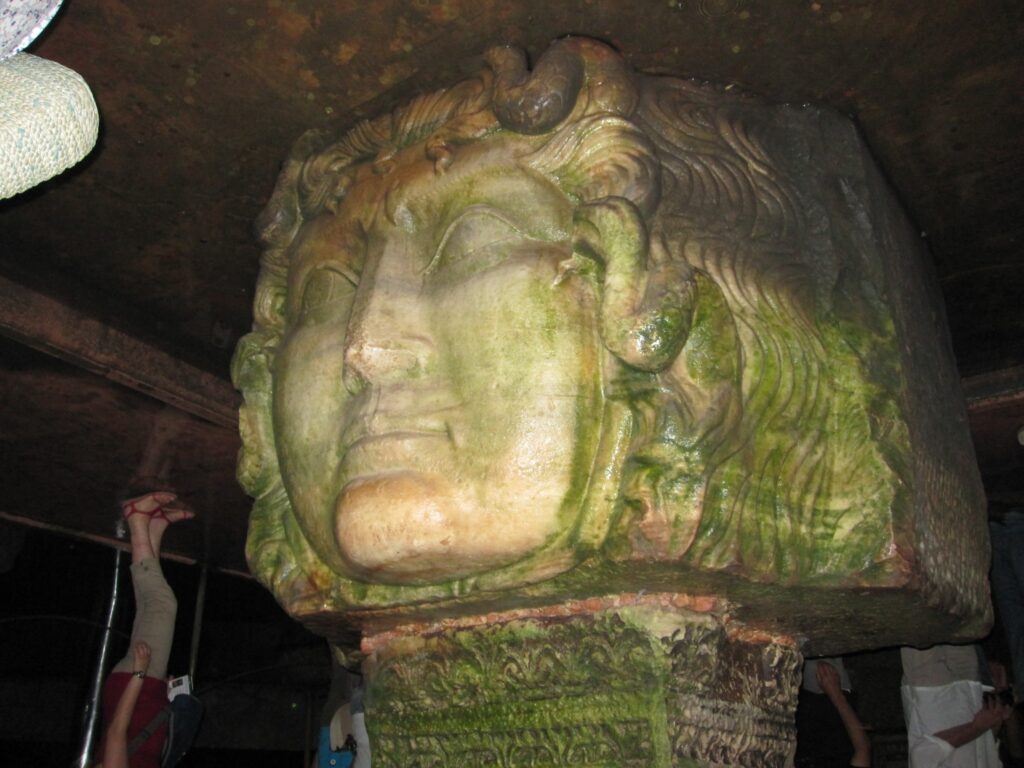
During the following days I travel the city inch by inch, between Europe and Asia, on foot, by subway, by boat, by streetcar: underground, in the Basilica Cistern, where the three hundred and thirty-six marble columns support a vault amid the silence and dripping water, with two Medusa's heads serving as bases for as many columns that look out of the corner of my eye; above ground, where the Topkapi Palace, with its Sublime Gate, stretches over a promontory between the Golden Horn and the Bosphorus like a labyrinth of courtyards and pavilions, with the harem lined with blue tiles.
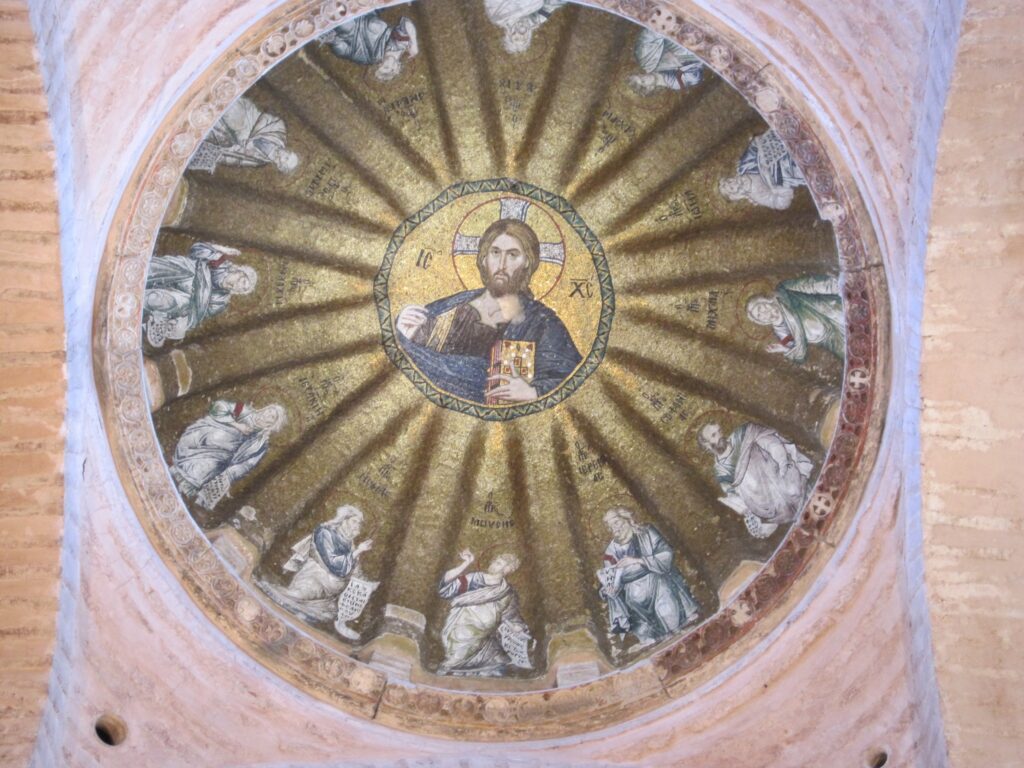
Among the things that impress me most are the church of St. Savior in Chora, with its magnificent 14th century mosaics on the life of the Virgin and the infancy of Christ, and the famous baths of Sinan, with their vaults dotted with oculi that filter light like stars while a burly, muscular man vigorously lathers your back.
One night, in the narrow streets of Galata, I dine in a small restaurant. GeorgianInside, the owner, a singer and pianist, performs Caucasian songs in an atmosphere that resembles a private salon, and her husband serves the tables between songs. Here I try for the first time the khinkali, ravioli stuffed with meat and broth.
In Fanar, the lantern district, the Ecumenical Patriarchate of Constantinople survives with no little difficulty in a small complex located around the church of St. George, built in 1720. Here I meet by chance the Patriarch Bartholomew I, whom I mistake for a janitor while I ask him for information! He stops to chat with me first in English and then, upon discovering that I am Italian, in my language. Only later do I find out who it is, when a woman at the entrance of the church looks at me with the expression of one who has just witnessed something funny: “Do you know who that was?”. I didn't know.
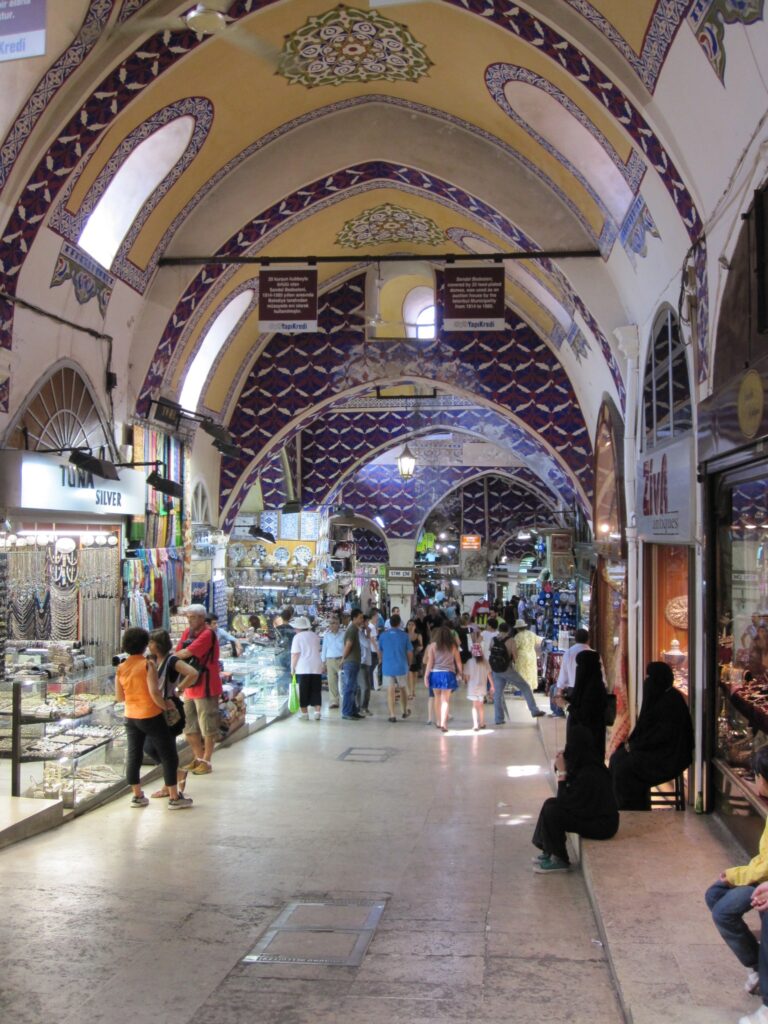
I spend my afternoons on the rooftops of Galata, on a terrace from which you can see the lights turn on one by one towards the Golden Horn while the sky changes color. One day, I even bumped into some members of the Sephardic Jewish community in an alley of the Grand Bazaar, with whom we exchanged a few words in Spanish (I in Spanish, they in Judeo-Spanish), after the journey that takes us, in Asia, to the last settlement. Armenian of the city.
On the last afternoon, before boarding the train to Thessaloniki, I linger for a while on the Galata Bridge. The fishermen are lined up with rods in the water and the sun sets over the city, tinting the minarets red.
The bridge is a long two-story footbridge over the calm waters. The air smells of the sea and the city shimmers with light and color. Boys in swimsuits dive into the sea, while a tide of people arrive from the square of the New Mosque after prayer. On the sidewalks, baked fish sellers invite you to try some.
And here, amidst the bustle of seagulls and people, under the fiery red sun that lazily descends over the Golden Horn, I look out over the railing and see a lonely old man, wearing a red fez with a black silk bow on his head, and on his face a strange mixture of happiness and melancholy. It seems that all moods merge on his dark, wrinkled face into a single expression, a bit like the one all old people have after having seen so many, too many things in life, whether ugly, of which they do not want to remember again, or beautiful, which, on the contrary, they try to hold on to with all their might so as not to forget them.
Like Istanbul, the city of the two continents and of the different names, of the different peoples and of the millions of stories that overflow its streets.






 Español
  English
  Italiano
  Français
  Deutsch
  Polski
  简体中文
简体中文