


 Journalists launch an initiative to deliver letters from survivors of the Venezuela earthquake to Pope Leo XIVOne month after the earthquakes, the Church in Venezuela continues to serve the people
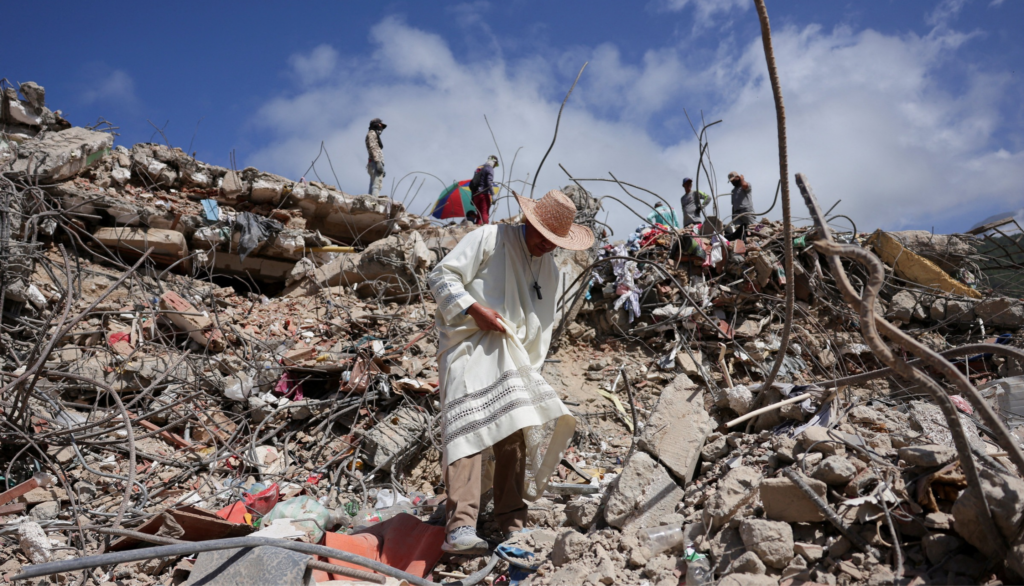
Four months ago, Venezuela was devastated by earthquakes that caused immense suffering, thousands of deaths, and incalculable material damage, in a country already mired in crisis for years. Now, with the media spotlight out of the spotlight, how is the country rebuilding? Jesús Rafael Rodríguez Villarroel, known as Txuo, is a Jesuit priest who is leading the effort. United in Mission, a foundation that channels some of the aid to earthquake victims and works with Manos Unidas.
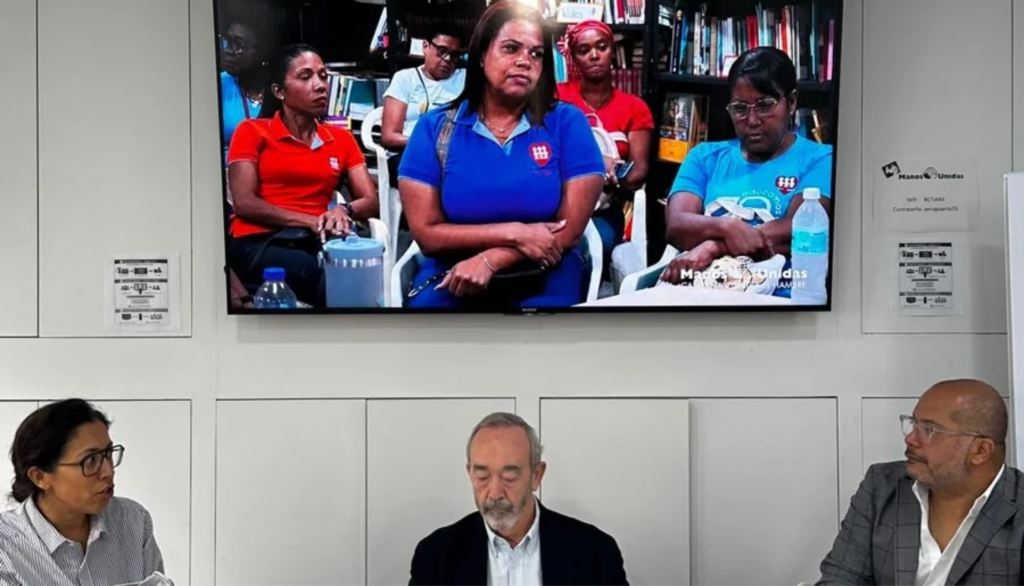
Father Txuo explained in Madrid, at the headquarters of Manos Unidas, the work they are doing four months after the natural disaster. He denies that the emergency is over, even though the media spotlight has shifted: “The emergency ends when families can recover a dignified and safe life. When families recover their homes and children, their classrooms. That is why Venezuela remains in a state of emergency.”.
She asserts that “there are wounds that cannot be healed with construction. Buildings can be repaired. But grief and loss cannot. They require support. That is why at United for the Mission we have worked on psychosocial recovery.”.
He emphasizes that “these earthquakes came at a time when we were already in a crisis.” Regarding the political situation, he states: “For us, it is important to continue working together in unity and reconciliation. This is an opportunity to set aside differences and abandon petty attitudes. We must combine our strengths.”
Of everything experienced during the earthquake, what has been the most serious damage that remains?
The material figures are enormous: losses are estimated at $37 billion, and more than $21 billion is needed for recovery. But there are losses that cannot be contained in any budget: the lives lost, the families left homeless, and the children who lost their schools.
From our experience during this emergency, I believe one of the deepest wounds is the loss of security. After the earth shakes, many people continue to live with fear, anxiety, and uncertainty. Rebuilding homes and schools is essential; helping people regain confidence, stability, and hope is equally so.
Venezuelans have rallied around, and so have people from abroad. Is witnessing this generosity the only benefit one can gain from so much material catastrophe?
-Yes. In the midst of so much loss, we have seen people go above and beyond to help: sharing what they had, supporting those who had lost everything, and putting themselves at the service of others. The best of Venezuelans has come out: a solidarity deeply rooted in our culture.
I wouldn't call a catastrophe a “benefit,” nor would I say that the suffering was necessary. But we have seen a moral and spiritual good born from it: the awareness that no one is saved alone and that hope is also built with outstretched hands. For those of us who live by faith, that is where we recognize God: in the solidarity that cares for and sustains life.
Two hundred thousand children without school
How many families were left homeless and children without school, and how many have you been able to help?
More than 17,345 families were left homeless. Regarding education, nearly 400 schools were affected, impacting approximately 200,000 children and adolescents. We do not have an exact figure for how many stopped attending classes. Thirty-four Fe y Alegría centers, as well as other schools and institutions, were affected by the Jesuit projects.
Since our immediate response, we have reached more than 87,000 people and mobilized over 645 tons of humanitarian aid. Behind these figures are families supported and communities that received assistance to begin rebuilding their daily lives.
Do these kinds of catastrophes make people turn more to God or do they blame Him for these evils?
-Both things can happen, even in the same person: faced with pain, some turn more to God; others ask Him why He allows so much suffering. In our experience, both reactions deserve respect and support.
As a priest, I do not seek to give easy answers, but to be close, to listen and to help discover that, in the midst of tragedy, God makes himself present in prayer, in comfort and in the solidarity of those who do not leave people alone.



 Español
 English
 Italiano
 Français
 Deutsch
 Polski