


 At the gates of the first saint of Venezuela, the physician José Gregorio HernándezVenezuela's crisis is galvanizing international support, including from China
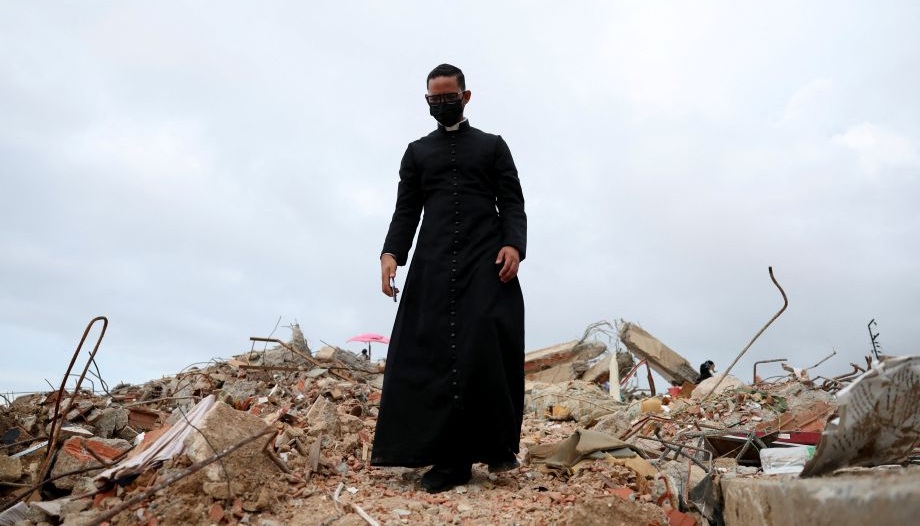
It's been almost a month since the earthquakes that occurred in Venezuela. The double earthquake struck on June 24, 2026, and was one of the country’s worst natural disasters of the past century. In the aftermath, there were more than 5,000 confirmed deaths, thousands of injured, and just as many missing.
"Aid to the Church in Need” traveled to Venezuela to offer the full support of the Catholic Church. To discuss the current situation in the country, the Vatican organization held a press conference attended by its international executive director, Regina Lynch, and the Archbishop of Caracas, Monsignor Raúl Biord.
The executive president described the situation in Venezuela as “apocalyptic,” but she affirmed that the Church is present and providing significant assistance. She insisted that “we cannot forget Venezuela,” allowing other news stories to distract attention from the people in need who are still throughout the country.
For his part, the archbishop noted that there are still between 20,000 and 30,000 people missing, whose families continue to work to find them. In addition, thousands have died, and countless essential buildings—such as hospitals and schools—have been completely destroyed.
On the other hand, many survivors are living “on the streets in ‘tents’ made of plastic sheeting.” Furthermore, it is currently winter in Venezuela, which exacerbates the situation since it is a season with heavy rainfall.
The Church's Presence in Venezuela
Compounding this situation is the loss of jobs for thousands of people, which makes it difficult for them to get by. For all these reasons, the archbishop stated that “as a Church, we have been present on the streets from day one.”.
“The Church is the people, which is why we’re out on the streets helping people,” he said after explaining that many churches and parishes have been destroyed. He also confirmed that Pope Leo XIV contacted them on the day of the earthquakes to inquire about the situation and offer his prayers.
Monsignor Biord explained that one of the first things they did was provide psychological support to the various members of the parishes who are assisting those affected. “It’s important to take care of the caregivers,” he emphasized, noting that there are many parish volunteers working to provide comfort, food, and material and spiritual assistance to the victims, but they themselves also need support to cope with the disaster.
Now, nearly a month later, “it is time to rebuild lives and people,” the archbishop said. Next will come the time to rebuild all the buildings and infrastructure that have been destroyed.


 Español
  English
  Italiano
  Français
  Deutsch
  Polski