



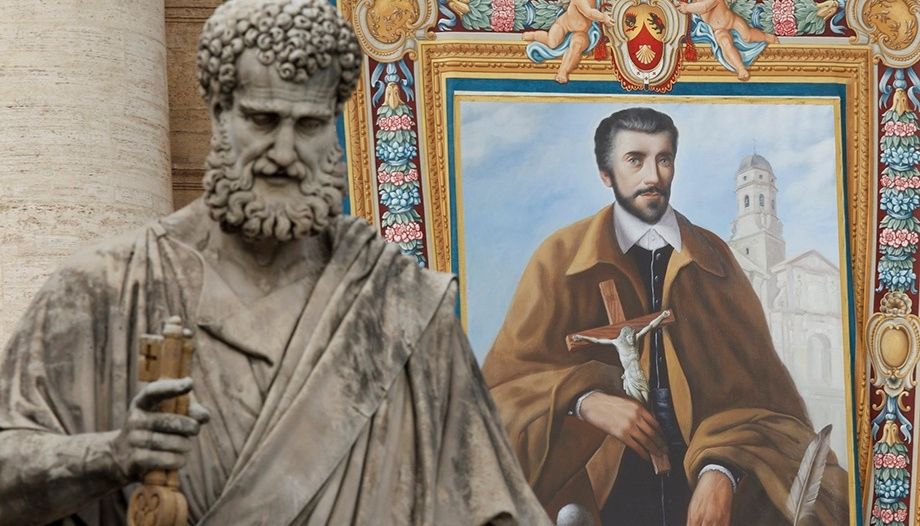
During his visit to Spain, Pope Leo XIV mentioned more than a dozen saints and, as was only natural, the Venerable Antoni Gaudí, architect of the Sagrada Familia, whose cause is still underway.
The Pope experienced in Spain that “communion of saints” described in the Catechism in *The Catechism of the Catholic Church*, when it states that “the communion of saints is precisely the Church” (nos. 946–962).
“It is comforting to know that we are not alone on the path to holiness: we are accompanied by Jesus Christ, his Most Holy Mother, and all those who have gone before us and are already enjoying the beatific vision,”, has written theologian and historian José Carlos Martín de la Hoz.
This is what Pope Leo XIV said when he was asked during his meeting with young people in Madrid: “We know that St. Augustine is very important to you, but what other saints and role models have helped you in your growth as a Christian?”.
Here is the answer. We have omitted references to canonized popes, which would make the topic even longer.
St. Augustine
Speech: Prayer vigil with young people in Plaza de Lima.
Location: (in response to the question “What other saints and role models have helped you?”), first paragraph.
León XIV recalled that “St. Augustine is a very important figure for the entire Church.” At that same gathering, he explained how the life of the Bishop of Hippo had inspired countless Christians throughout history: “As I contemplated the lives of these saints, such as St. Augustine, I said to myself: If they were capable of it, why can’t I?”.
The Pope mentioned him again during a visit to the Brians 1 Correctional Facility: “St. Augustine, in his *Confessions*, shares his life journey with us and speaks to us about it; if we trust in divine grace and allow ourselves to be guided and transformed by it, we discover how, in our lives, the past does not condemn the future.”.
Speech: Gathering at the Sant Agustí Parish (Barcelona)
“Being here, in the Church of Sant Agustí, opens our hearts to a truth that the holy Bishop of Hippo points out to us: being Christian is, above all, a gift, a grace. Grounded in Christ, who is the living stone, we experience the work of the Holy Spirit, with the conviction that every sincere effort to cooperate with Him for the sake of our neighbor will be blessed by the heavenly Father, in whom we place our hope,” said the Successor of Peter.
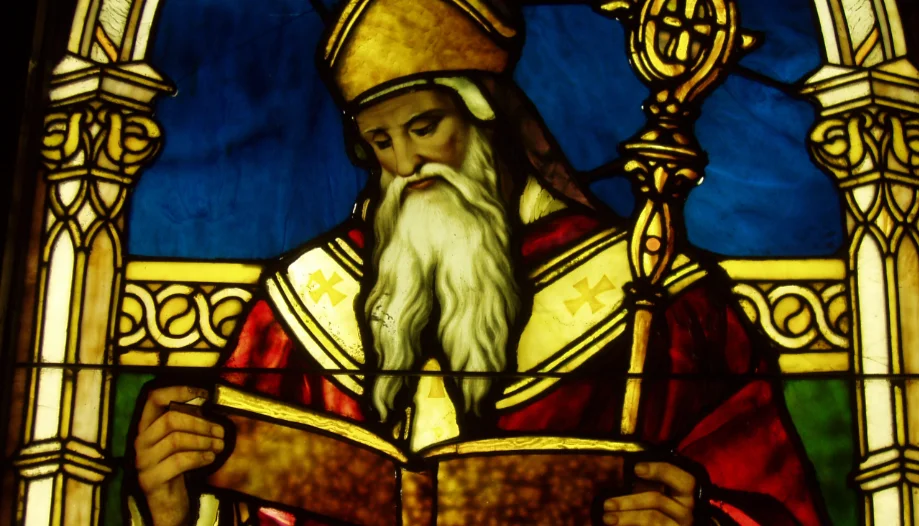
Saint John of the Cross
Speech: Meeting with government officials, civil society, and the diplomatic corps.
“In this regard, I would like to mention two figures from this country who, for five centuries, have enriched the life of the Church and the spiritual quest of many, even beyond its visible borders. They are John of the Cross and Teresa of Ávila, who became friends through their passion for the divine Mystery. (…)”.
“In particular, as we interpret the changes and endure the tensions that make our times so dark, we are aided by the theme of night, so dear to St. John of the Cross, whose Jubilee Year we are celebrating.”.
Homily: Holy Mass on the Solemnity of Corpus Christi
Leo XIV directly quoted one of the Carmelite saint’s best-known verses: “How well I know the spring that flows and runs, even though it is night.”.
He then recalled the context in which it was written: “In the convent prison in Toledo, where he was imprisoned under extremely harsh conditions, precisely around the time of Corpus Christi in 1578, he recognized the hidden presence of the Lord from within the darkness of that prison.”.
And he applied that experience to the Eucharist, stating that Jesus, present in the Sacrament, is “that eternal source that lies hidden.”.
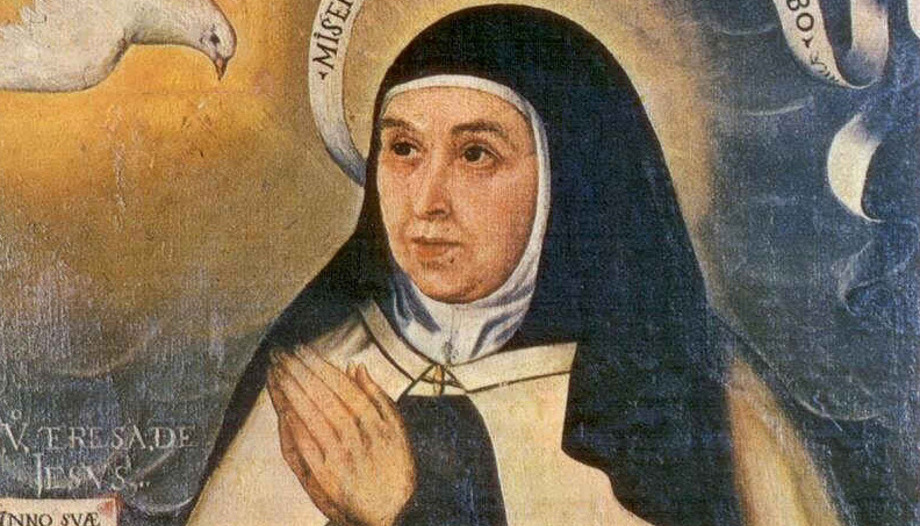
Saint Teresa of Jesus
Speech: Meeting with government officials, civil society, and the diplomatic corps.
“In this regard, I would like to mention two figures from this country who, for five centuries, have enriched the life of the Church and the spiritual quest of many, even beyond its visible borders. They are John of the Cross and Teresa of Ávila, who became friends through their passion for the divine Mystery. (…)”.
“Our age, which on the surface appears to be shaken by terrible imbalances and conflicts, cries out from its very depths for peace, for a new understanding of the human person and his or her inviolable dignity, and for the civilization of love (cf. *Magnifica humanitas*, 186). St. Teresa describes this same journey using the image of the inner castle. (…)”.
Speech: Event: “Building Networks with the Worlds of Culture, Art, Economics, and Sports.”. Paragraph: Reflections on Spanish faith and culture.
“It is no wonder, then, that the proclamation of the Good News and the awareness that we are all brothers and sisters is expressed in the form of a saeta during Holy Week—a time of mystical poetry and literary mastery in the works of authors such as Lope de Vega, Saint Teresa of Jesus, and Saint John of the Cross…”.
Speech: Meeting with members of the Spanish Parliament. Paragraph: second major section on Spain's cultural and spiritual heritagea
“From the universal pages of *Don Quixote* (…) to the spiritual depth of Saint Teresa of Ávila (…) Spain has always viewed human beings as more than just cogs in the social, economic, or political machine.”.
Pope Leo XIV ranked Saint Teresa of Ávila among the great spiritual figures of Spanish culture when he referred to “mystical poetry.”.
Saint Ignatius of Loyola
Speech: Meeting with government officials, civil society, and the diplomatic corps.
The Pope highlighted “the legacy of Teresa of Ávila, John of the Cross, and Ignatius of Loyola” as part of the Christian faith’s contribution to Spain’s culture and historical identity.
On another occasion, he noted: “As another noble son of this land taught us, in the face of trials and failures, it is possible to rethink everything: Ignatius of Loyola had this courage, giving credence to the desolations and consolations of his heart, in an exercise of discernment and imagination through which he chose peace over arms and the saints over the powerful.”.
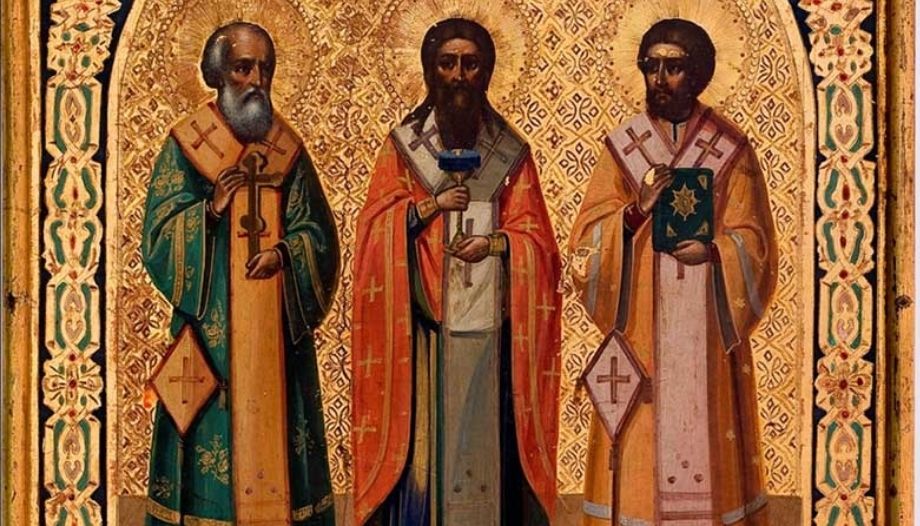
St. John Chrysostom
Speech: Prayer vigil with young people in Plaza de Lima (Madrid), in response to a question about the saints who have helped him.
Leo XIV first highlighted the figure of the great Father of the Eastern Church and Doctor of the Church, Saint John Chrysostom.
“John Chrysostom, who carried this love for the Word of God in his heart, gave a powerful witness—especially through the consistency of his life—after becoming a priest and bishop,” he said.
The Pontiff also expressed his admiration for him: “I have been particularly impressed by his catechesis, his sermons, his homilies, and his writings, which combine a love of truth with the integrity of his life.”.
He also highlighted his courage in the face of political power: “He wasn’t afraid to speak before the Emperor, to say things that promoted justice rather than merely to please others. He was a man of his word.”.
Saint Thomas of Villanova
Speech: Prayer vigil with young people in Plaza de Lima (Madrid), in response to a question about the saints who have helped him.
Among the figures remembered by the Pope was St. Thomas of Villanueva, an Augustinian. Leo XIV recalled that “he was appointed bishop of Valencia and undertook an intensive effort to reform the Church, especially the clergy.” He also emphasized that “because of his ardent charity, he is known to this day as ‘the Bishop of the Poor.’”.
The Pope also explained the reason for his spiritual closeness to this saint: “This charity has encouraged me in times of trial and in times of service.”.
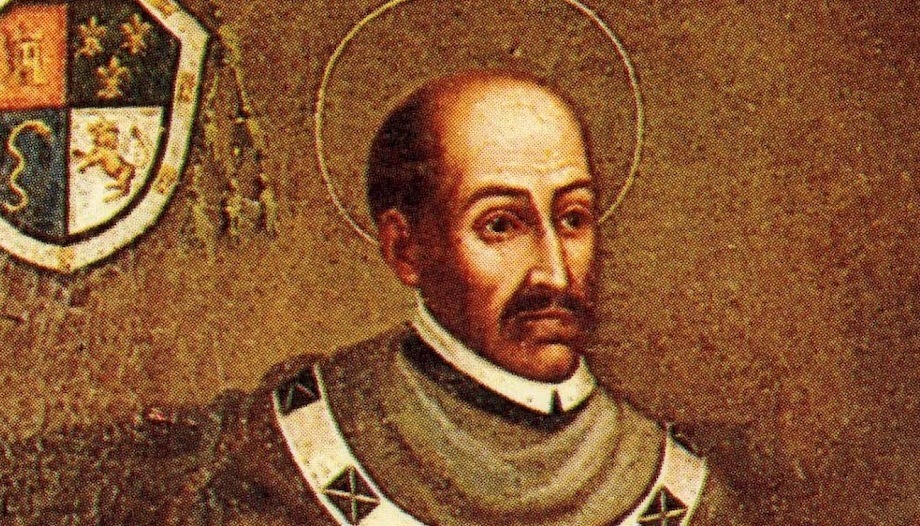
Saint Toribio of Mogrovejo
Speech: Prayer vigil with young people in Plaza de Lima (Madrid), in response to a question about the saints who have helped him.
The Bishop Saint Toribio of Mogrovejo, the second Archbishop of Lima, born in Mayorga, Valladolid, in 1538, was one of the saints most frequently cited by Leo XIV. The Pope recalled that “in the 16th century, he was a missionary in Peru, where he devoted himself with great zeal to evangelization, studying the local languages.”.
He also emphasized that “Saint Toribio ”He combined a deep life of prayer with a commitment to justice, especially in the face of the abuses and corruption of his time.".
That is why he said, “For me, he is a model of dedication to the people, especially the poorest, in the name of Christ.” At another point, he described him as “a model of a bishop who reaches out to others in a time of mission and ecclesial reorganization.”
St. John of Avila
Speech: Meeting with the bishops of Spain.
Pope Doctor of the Church and patron saint of the Spanish clergy was present during the Pope’s remarks. “On our journey, we travel along the one that St. John Paul II he wanted to call “Land of Mary.” In the Blessed Virgin, you have your first companion on the journey and your greatest treasure. (…), said Leo XIV
“The strength of the Church does not come from the grandeur of its resources, but from the holiness of its children, from the communion of its shepherds, and from the humble and persevering faithfulness of those who allow themselves to be guided by the Spirit.”.
“On this journey,” he added, “St. John of Ávila, patron saint of the Spanish clergy, also accompanies you in this year in which we commemorate the 500th anniversary of his ordination to the priesthood.”. St. Paul VI He described him as “a benevolent and wise teacher of the spiritual life, an exemplary reformer of church life and Christian customs» and, at the same time, ‘a humble priest.’.
“In this holy doctor, the Church recognizes the priestly life that every bishop is called to safeguard and nurture within his own presbytery.”.
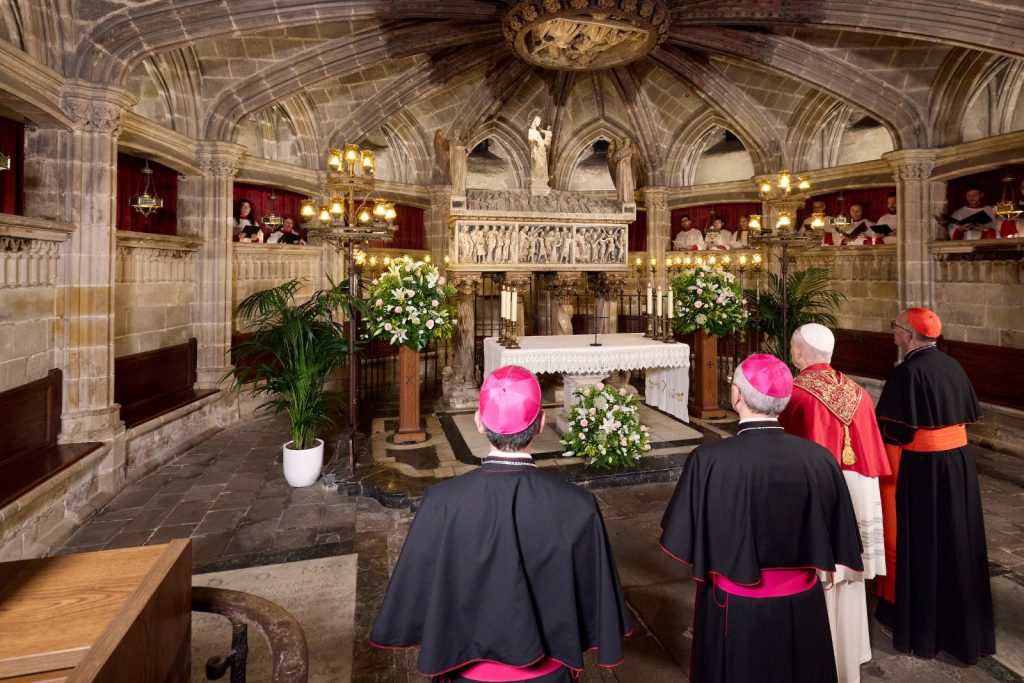
Saint Eulalia of Barcelona
Speech: Homily at the Cathedral of the Holy Cross and Saint Eulalia
During his visit to Barcelona, the Pope spoke of Saint Eulalia, co-patroness of the city. “We will soon venerate the remains of Saint Eulalia, co-patroness of this cathedral, this archdiocese, and this city,” he said.
Citing his example for Christians today, he stated: “We want to be “martyrs”—that is, witnesses and prophets of unity, hospitality, harmony, and peace—even at the cost of sacrifice and self-denial.”.
“Like the Virgin Eulalia and so many other martyrs, we want to say our “yes,” willing, if necessary, to die to ourselves, to lose ourselves in order to find ourselves again, to renounce the superfluous in order to build upon what is essential and lasts forever (cf. Mt 16:24–26).”.
Saint Peter of Saint Joseph Betancur
Speech: Meeting with migrants at the Las Raíces Reception Center.
Paragraph: historical section on the Canary Islands as a point of departure for missionaries.
León XIV recalled Saint Brother Pedro during a meeting with migrants. “Saint Brother Pedro and Saint José de Anchieta set out from these Canary Islands to proclaim the Gospel in the Americas,” he explained.
Referring to both saints, he stated that “they, too, were migrants who set out into the unknown, carrying faith, hope, and charity as their main provisions.”.
He added that “in those unfamiliar lands, the holy migrants and missionaries knew how to share what they had and also to embrace the new things that were offered to them.”.
Saint Joseph of Anchieta
Speech: Meeting with migrants at the Las Raíces Reception Center.
In the words of Pope Leo XIV, the figure of Saint Joseph de Anchieta was linked to that of Saint Peter of San José Betancur.
The Pope recalled that both of them “set out from these Canary Islands to preach the Gospel in the Americas.”.
Saint Manuel Gonzalez
Speech: Holy Mass on the Solemnity of Corpus Christi
Pope Leo XIV may at some point in his homily recall “Saint Manuel González, the bishop of the abandoned tabernacles.” His life reminds us that the Eucharist cannot be honored only during grand celebrations or on special occasions, but also through the quiet fidelity of those who walk with the Lord in a humble and discreet friendship that is nourished day by day.”.
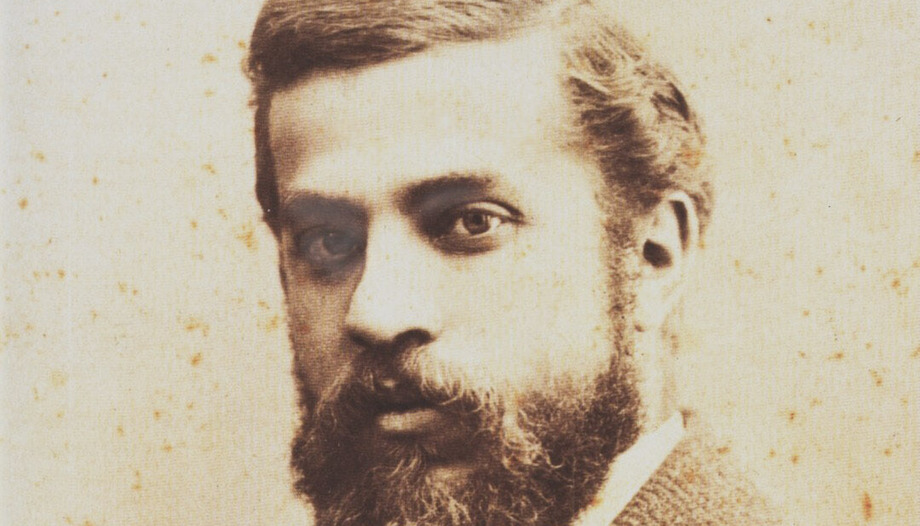
Venerable Antoni Gaudí
Speech: Homily at the Basilica of the Sagrada Familia
“Much more than a monument, the Basilica of the Sagrada Familia remains a work in progress today, reminding us that the Christian life is always a journey, because it is a project that God is carrying out. We do not, therefore, inhabit an unfinished work, but a temple still under construction,” said Pope Leo XIV. (…)
He went on to say: “As an architect with a fervent faith, the venerable Antoni Gaudí conceived these spaces with the desire to recount the mysteries of the Lord’s life: in this way, he has offered us a spiritual pilgrimage that leads to an encounter with Christ, who was born, died, and rose again for us.”.





 Español
  English
  Italiano