



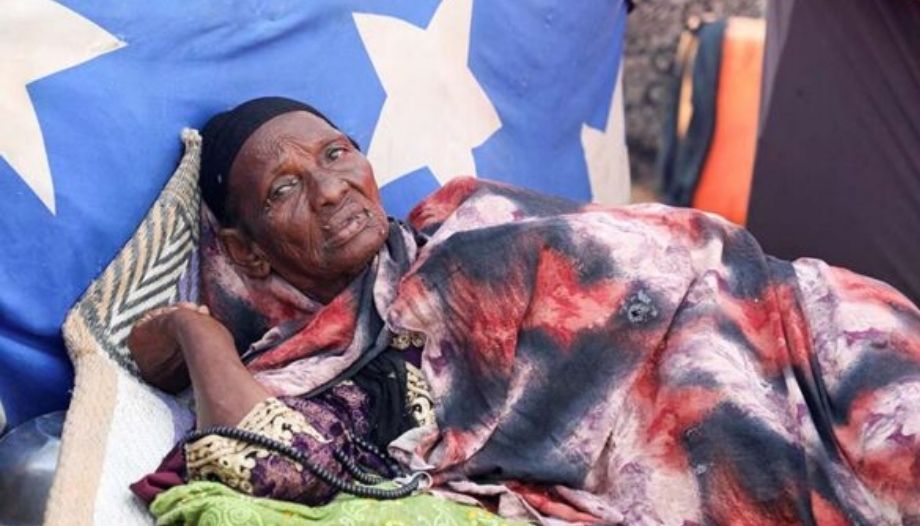
- Fredick Nzwili, OSV News
International aid agencies, including those linked to the Catholic Church, warn that millions of people lack access to basic necessities, including food and water. Somalia of access to basic life-saving services and are in urgent need of sustained global support.
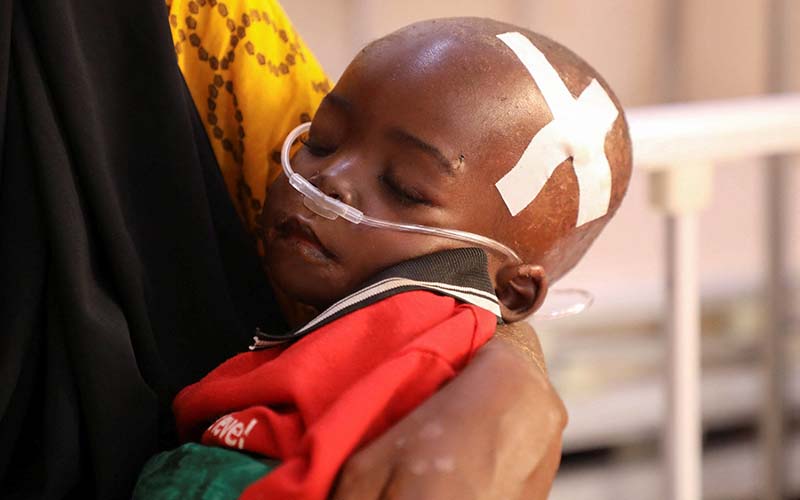
“Nearly 6.5 million people in Somalia suffer from high levels of acute food insecurity, while more than 1.8 million children are acutely malnourished,” a group of humanitarian organizations, including Save the Children International and SOS Children's Villages International, said in a May 20 joint statement.
“Among them, hundreds of thousands face severe acute malnutrition that requires urgent treatment.”.
Not just numbers, but people in crisis
According to the organizations, these are not simply numbers, but represent children going to bed hungry, families forced from their homes by drought and recurrent conflict, and mothers struggling to make impossible decisions to keep their children alive.
These figures coincide with the data The most recent April-June releases of the Integrated Food Security Phase Classification initiative, a standardized global framework used to classify, measure and communicate the magnitude of food insecurity and food insecurity in the world. malnutrition.
Solidarity and international support are essential
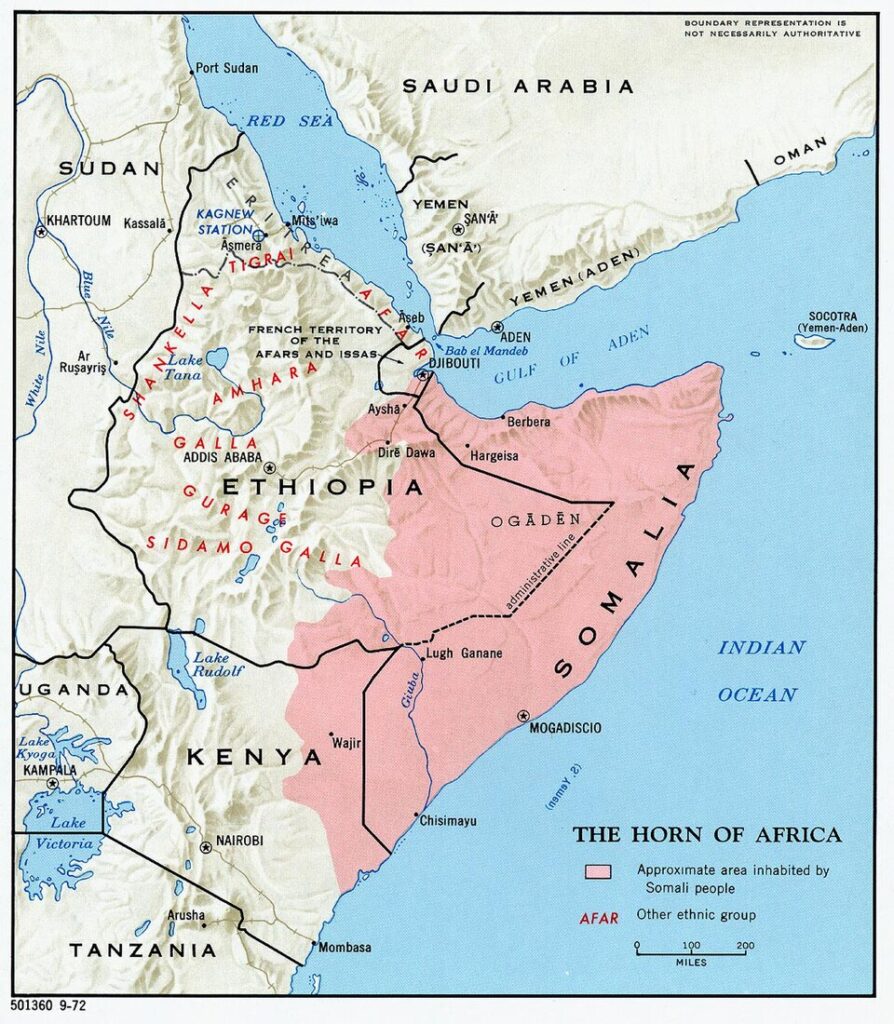
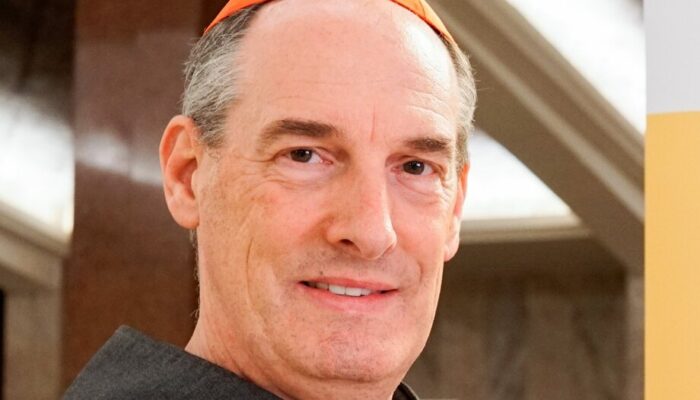
Bishop Jamal Boulos Sleiman Daibes of Djibouti, who is also the apostolic administrator of Mogadishu, appeals for continued international attention and solidarity, noting the fragile and complex humanitarian reality in the country.
“The humanitarian situation is really very serious,” Bishop Daibes told OSV News, noting that the scale of the crisis is enormous, caused by recurrent droughts, forced displacement, food insecurity and climate crises, while available resources remain insufficient. “For this reason, continued international solidarity and support remain essential.”.
Millions of people lack basic services
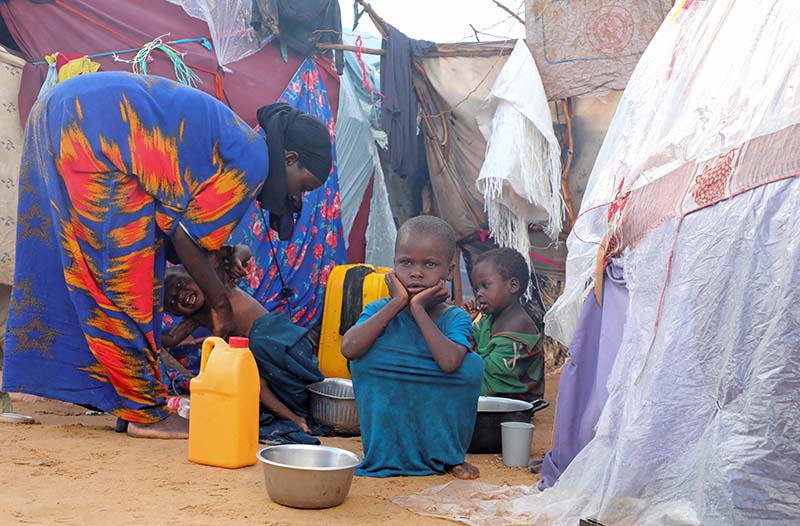
Millions of people lack essential services such as medical care and clean water, even though the Church, through Caritas Somalia and in collaboration with humanitarian organizations and international partners, continues to provide assistance.
“One can also see the resilience and dignity of the Somali people, as well as the continued efforts of local authorities and international partners to strengthen stability and promote recovery,” the bishop said. 2However, humanitarian needs remain immense and require constant international attention and solidarity,” Bishop Daibes told OSV News.
In a statement issued in late March, Caritas Somalia said that “women, children and the elderly, already affected, are bearing the brunt of this worsening crisis,” and warned that only 11 % of needed donor funds had been received.
“We appeal to donors to mobilize urgently needed funds to provide vital services to the most vulnerable people, especially women and children,” Caritas said.
Officials from humanitarian organizations say the crisis is worsening as economic pressures increase humanitarian needs.
Hormuz closure: fuel prices rise to 150%
Mohammed Abdi, Somalia director for the Norwegian Refugee Council, said the country is suffering a major economic impact in addition to widespread famine, with fuel prices up by as much as 150 % and basic foodstuffs up by 50 % since the closure of the Strait of Hormuz.
“Only 15% of the humanitarian response is funded. We are seeing the situation deteriorate in real time, while the resources are not there to stop it,” Abdi said.
The situation in Somalia was already precarious when the Trump administration shut down the United States Agency for International Development (USAID) in 2025, and the war with Iran exacerbated the problems of humanitarian aid organizations.
Maritime transportation almost paralyzed
“Somalia is heavily dependent on imports of food, fertilizer and fuel. With shipping virtually paralyzed in the Strait of Hormuz, prices for these essential commodities have doubled. In dozens of poor and unstable countries, hunger is increasing as food prices rise,” reported The New York Times,
He added: “We are witnessing the first real test of how a global crisis like war will play out in what one aid official described as ‘the post-aid era.’”.
In addition, Al-Shabab insurgency, affiliated with Al-Qaeda
“In more than three decades of journalism, I have witnessed numerous tragedies, from the Indian Ocean tsunami to the wars in Iraq and Cambodia. But what I saw and heard recently in Somalia had a profound impact on me,” Peter Goodman reported for the New York Times.
Somalia's protracted instability further complicates humanitarian relief efforts. The country continues to face an insurgency by Al-Shabab, an Al-Qaeda affiliated group in East Africa, which has perpetrated attacks and imposes a strict interpretation of Islamic law in areas under its control.
Mostly Mulsuman, with a discreet Catholic presence.
Despite these challenges, the Catholic Church maintains a discreet but significant presence. Somalia is predominantly Muslim (99.9%), and Christian communities are small and concentrated mainly in urban areas, often made up of converts.
Much of the Church's physical infrastructure has been destroyed; Mogadishu's main cathedral, built between 1925 and 1928 by Consolata missionaries, has been in ruins since 2008 and its grounds have been used as a settlement for people displaced by decades of conflict.
Bishop Daibes affirmed that his ministry is carried out with prudence and discretion, but that he remains closely linked to the people through humanitarian aid and collaboration.
Social and humanitarian work of the Church
“Although it is not always possible to have a direct presence in the country, I maintain regular contact with the reality of Somalia, especially through Caritas Somalia, which represents the social and humanitarian service of the Church,” he said.
He added that the Church's presence is necessarily limited and respectful of local conditions, and that permanent contact is maintained with clergy in Somaliland - a self-proclaimed independent region in the north - and with chaplains in Mogadishu.
“The Church's mission is carried out primarily through witness, humanitarian service, accompaniment and the promotion of dialogue and human fraternity,” said Bishop Daibes.
Cautious hope
Despite the magnitude of the suffering, the bishop expressed cautious hope for Somalia's future, noting the importance of reconciliation, institution building and investment in the youth.
“Building lasting peace requires not only security measures, but also investment in opportunities for young people, social development and the strengthening of trust and cooperation within society,” he said.
——————
– Fredrick Nzwili writes for OSV News from Nairobi, Kenya.





 Español
  English
  Italiano