


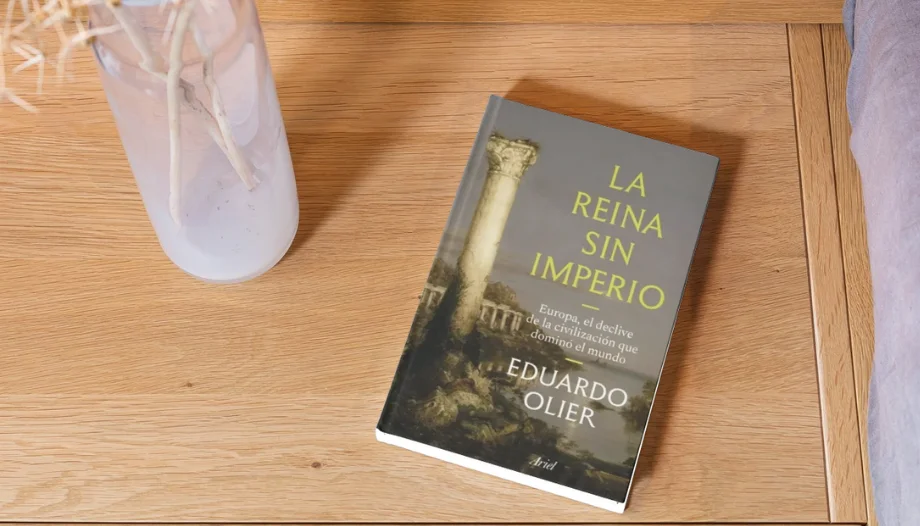
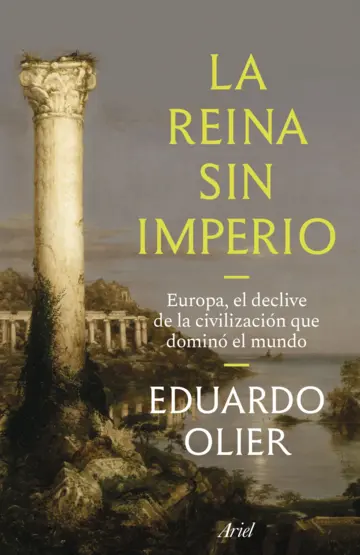
The author asks: Can the European Union still aspire to be an autonomous power? Or will it remain trapped between the strategic protection of the United States, the pressure from Russia, the technological rise of China, and its own internal divisions? What future awaits an aging, bureaucratized continent, increasingly uncertain of its identity?
Olier has thoroughly researched this essay, employing extensive data and a global perspective, expressing concern about the times we live in and lamenting the current state of Europe for having renounced its origins. He uses the analogy of chess to illustrate Europe's evolution, highlighting the powerful players who move the pieces and the unexpected twists and turns of history. For the old continent was first a collection of tribes, then kings and kingdoms vying for power, and later new players who forged the Europe of nations. He argues that today's Europe, lacking natural resources to fuel its economy and having wasted too much time allowing others to defend it, faces a future fraught with uncertainty.
According to statistics, the projection is that Europe will lose 150 million inhabitants, and will also be filled with millions of immigrants, much more than we have now, with the capacity to shape the culture and customs.
A queen without an empire





 Español
 English
 Italiano
 Français
 Deutsch
 Polski