



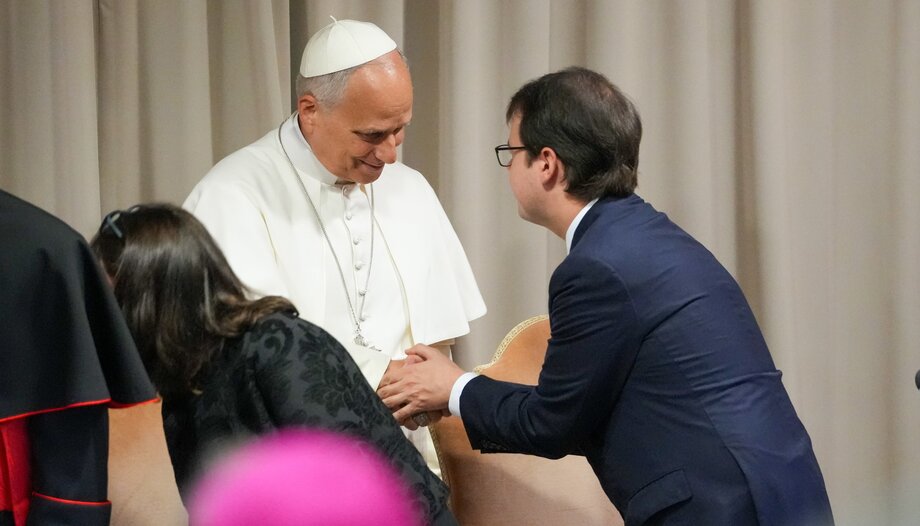
 Pope explains that Leo XIV's name is for the Artificial Intelligence RevolutionAI: Artificial Ineptitude
The new encyclical “Magnifica humanitas”places the debate on artificial intelligence on a horizon that goes beyond the technical. It is not just a reflection on disruptive innovations, but a fundamental question: what it means to be human in a world mediated by algorithms.
The document is clearly in the tradition of the Church's social doctrine, especially in the wake of “Rerum Novarum”. If then the social question was articulated around the industrial revolution, today the challenge is formulated around the digital revolution and the expansion of artificial intelligence.
Technology with a human face
Pope analysis of the encyclical underlines a key point: technology is not neutral in its cultural effects. AI cannot be understood solely as an efficient tool, but as a phenomenon that reconfigures the way we work, relate and decide.
In this context, the magisterial text insists on a decisive principle: human dignity is not deduced from technological progress, but precedes and judges it. This criterion acts as the axis of ethical discernment in the face of any digital development.
An anthropological question
Beyond occupational or economic risks, the encyclical raises a deeper question: the transformation of the image of man. The automation of decisions, the algorithmic mediation of daily life and the increasing delegation of cognitive tasks raise questions about freedom, responsibility and the meaning of human work.
It is not, therefore, a technophobic stance, but a call to reposition technology within an integral vision of the person.
Continuity and novelty
The document is also presented as an exercise in historical continuity. Just as the Church critically accompanied the birth of the industrial world, it now takes up the challenge of illuminating the digital world. The key is not opposition to progress, but its orientation towards the human good.
In this sense, the encyclical proposes a basic idea: technological development is only authentically human when it serves the person and does not replace him or her.
An open question
The diagnosis is not merely theoretical. The expansion of the artificial intelligence already poses today concrete decisions in education, work, economy and communication. The question that the text leaves open is whether contemporary society will be able to maintain a stable human criterion in the midst of unprecedented technological acceleration.
The answer, the encyclical suggests, will depend not only on technology, but on the capacity of culture to continue to recognize the irreducible dignity of each person.
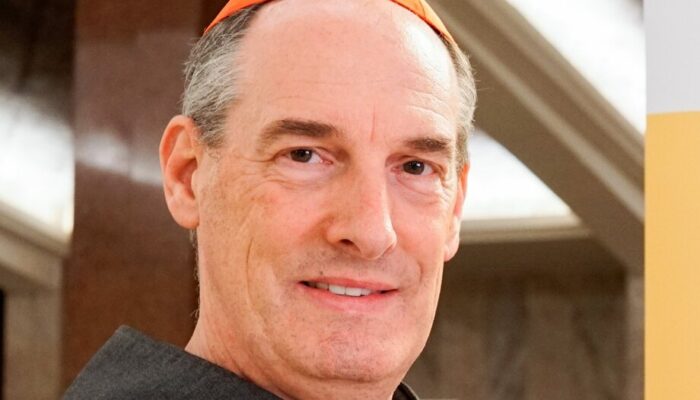
Doctor of Canon Law





 Español
  English
  Italiano