



 Paul VI, from the Second Vatican Council to dialogue with the worldLuther, Kant and St. John Henry Newman
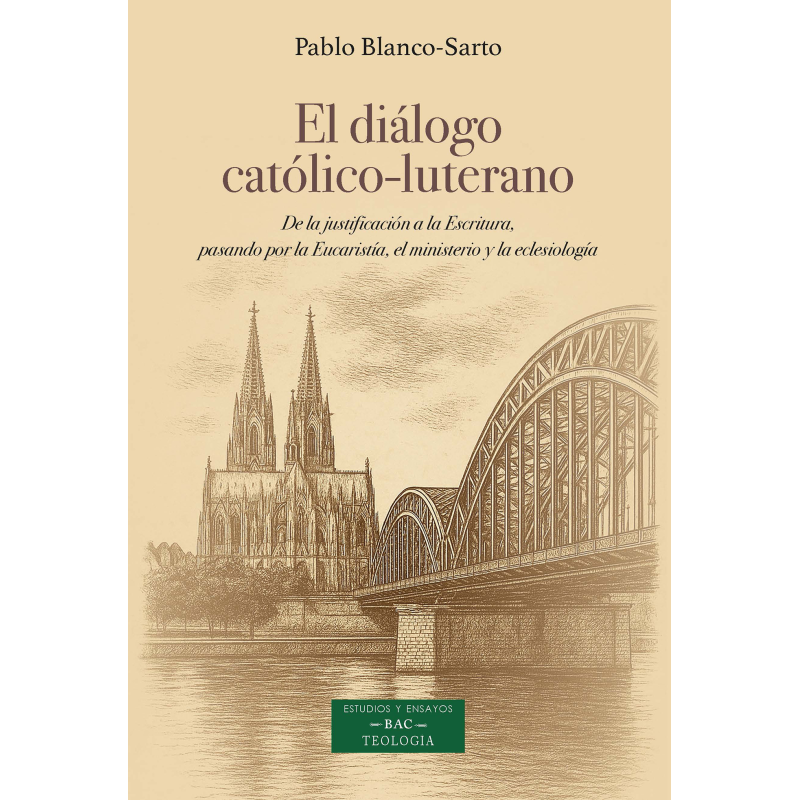
 Luther was the initiator of a great revolution in the Church, which led to the division of the Church and the birth of an infinite number of communities, totaling one billion Christians. Therefore, when it comes to detecting the state of health of the dialogue - from the doctrinal point of view - with all these Protestants, the best thing to do is to study the dialogue with the Lutherans. The book “Catholic-Lutheran dialogue”is a good help to understand how two traditions that were at odds for centuries have managed to establish a basis of understanding in recent decades.
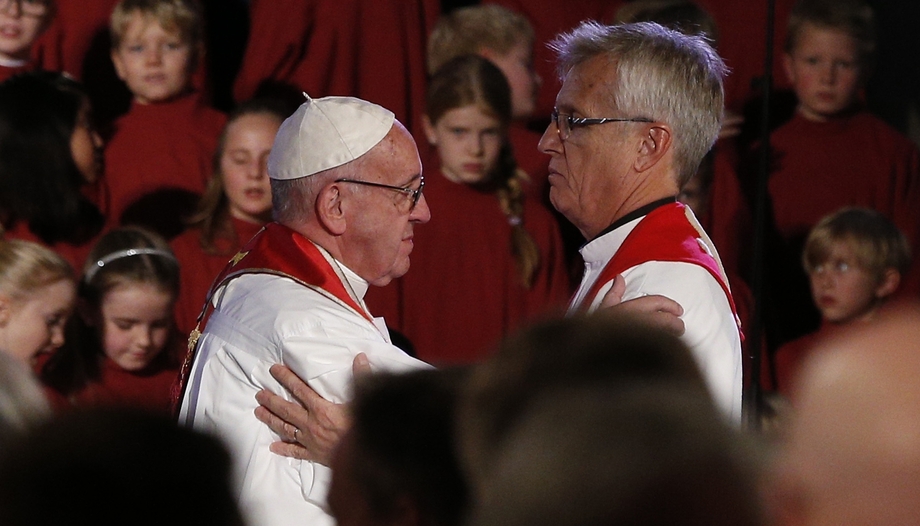
The origin of this dialogue can be traced back to the gestures of the Vatican Council II and how, from then on, there was a shift from an attitude of “mutual condemnation” to one of “search for unity”. This study analyzes milestones such as the V centenary of the beginning of the Reformation in 2017, where Pope Francis actively participated. But before that there were fundamental texts such as the “Joint Declaration on the Doctrine of Justification” (1999). This is the theological origin of the book, which details how the main conflict of the Reformation was resolved: How is the Christian saved?
There, the conclusion was reached that salvation is the work of God's grace, even if it is expressed in different ways in each tradition. This book takes this technical document apart to make it understandable. But there are also major issues such as the nature of the Church, the sacraments, ministry and biblical hermeneutics. Thus, a further Joint Declaration on these issues, which this study dissects, would be necessary. The consensus reached after five hundred years must continue as the fruit of praying, working and studying together.
Catholic-Lutheran dialogue






 Español
  English
  Italiano