



Whether out of sincere devotion, admiration for architecture, or simply curiosity to witness large-scale cultural events, religious tourism draws huge crowds all over the world.
From Mexico City to Jerusalem, these are the most visited Catholic shrines on the planet, the history behind them, and the impressive visitor numbers they attract.
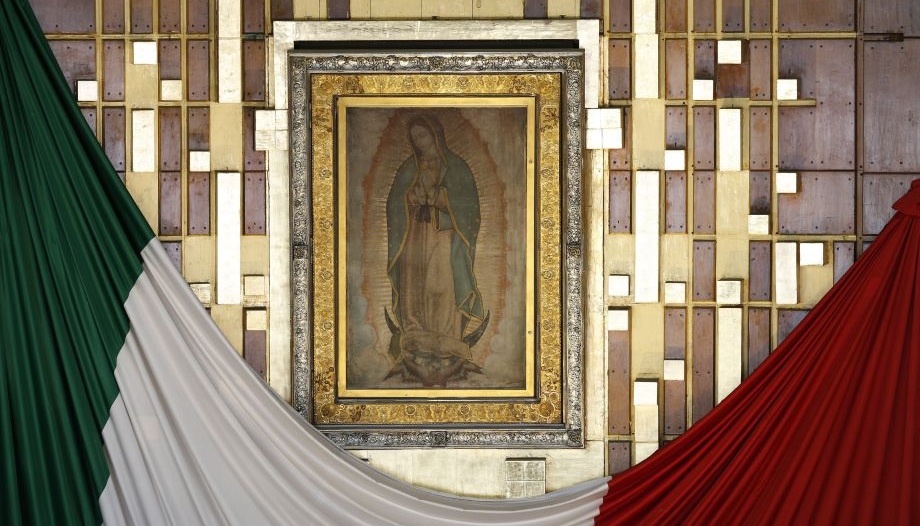
Basilica of Our Lady of Guadalupe (Mexico City)
With between 18 and 20 million visitors annually, it is the undisputed queen of Marian pilgrimages. Located at the foot of Tepeyac Hill, its history dates back to 1531, when the Virgin Mary appeared to the indigenous man Juan Diego.
The image miraculously imprinted on her tilma (blanket) is today the most venerated object of faith in the Americas. Every December 12, the site is flooded with a massive tide of devotees who arrive on foot, by bicycle, or on their knees to sing “Las Mañanitas” to her.
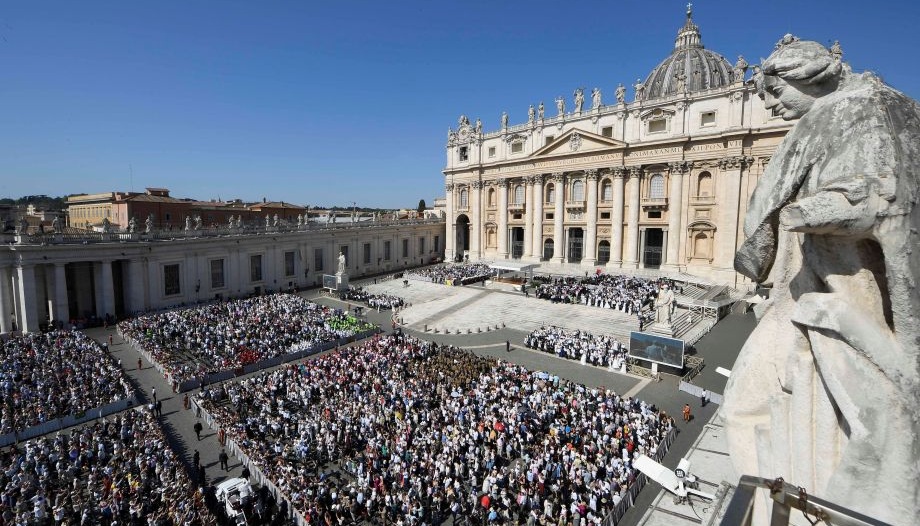
St. Peter's Basilica and the Vatican (Vatican City)
It is the nerve center and spiritual heart of the Catholic Church. It receives between 15 and 18 million visitors annually. Built over the tomb of the apostle Saint Peter, the current basilica—the work of artists such as Michelangelo and Bernini—is both a sacred temple and one of humanity’s most important open-air museums.
Between the Wednesday papal audiences and the endless lines to see the “Pietà,” the Vatican is a constant hub of faith and tourism.
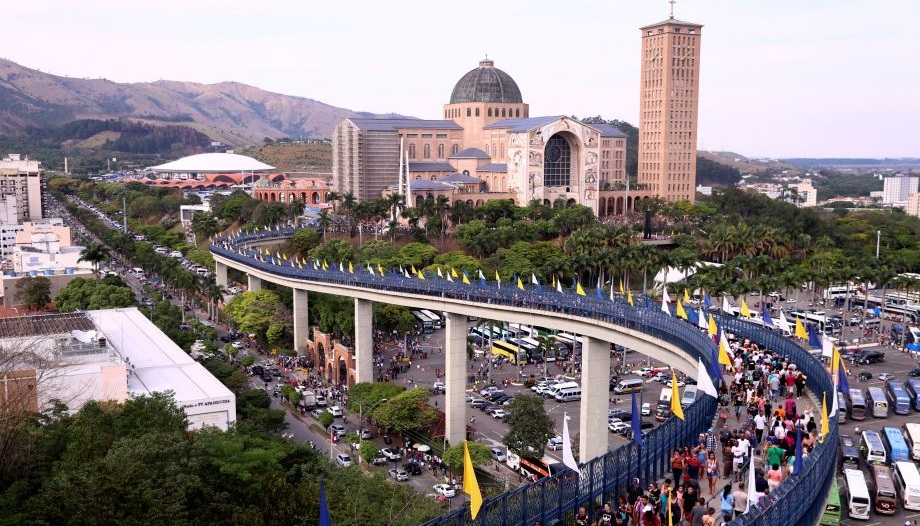
National Shrine of Our Lady of Aparecida (Brazil)
Latin America has once again set a record with the world's second-largest basilica by floor area, second only to St. Peter's. This basilica welcomes between 12 and 13 million visitors annually.
Its history began in 1717, when three fishermen pulled a small terracotta statue of the Virgin Mary from the waters of the Paraíba do Sul River. Today, Brazil’s patron saint is honored at a massive shrine in the state of São Paulo capable of accommodating tens of thousands of worshippers at the same time.
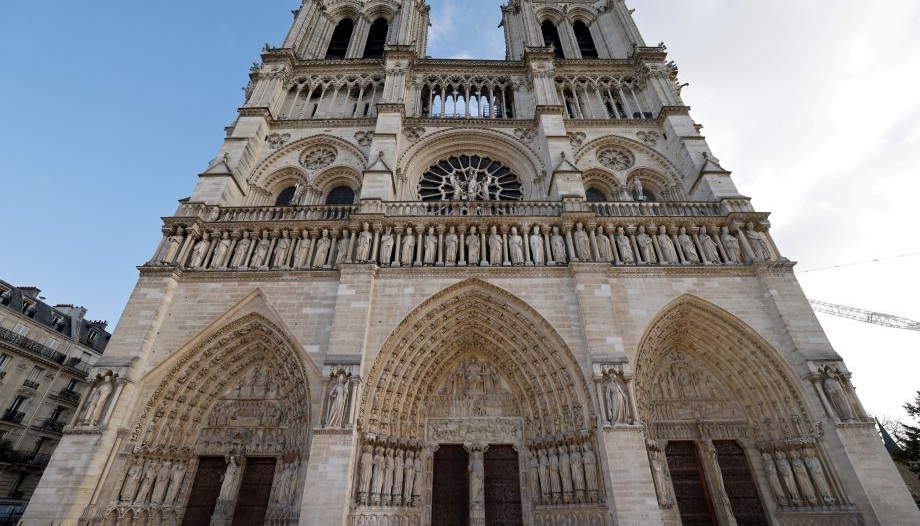
Notre-Dame and Sacré-Cœur (Paris, France)
Paris isn't just about the Eiffel Tower. The Sacré-Cœur Basilica, perched atop Montmartre Hill, draws crowds with its views and its uninterrupted Eucharistic adoration, which has been taking place since the late 19th century.
For its part, the legendary Notre-Dame Cathedral, following the devastating fire of 2019, regained its splendor, drawing more than 10 million visitors in its first year after reopening and reaffirming its status as a jewel of world Gothic architecture.
Each of these two temples receives between 10 and 12 million visitors annually.
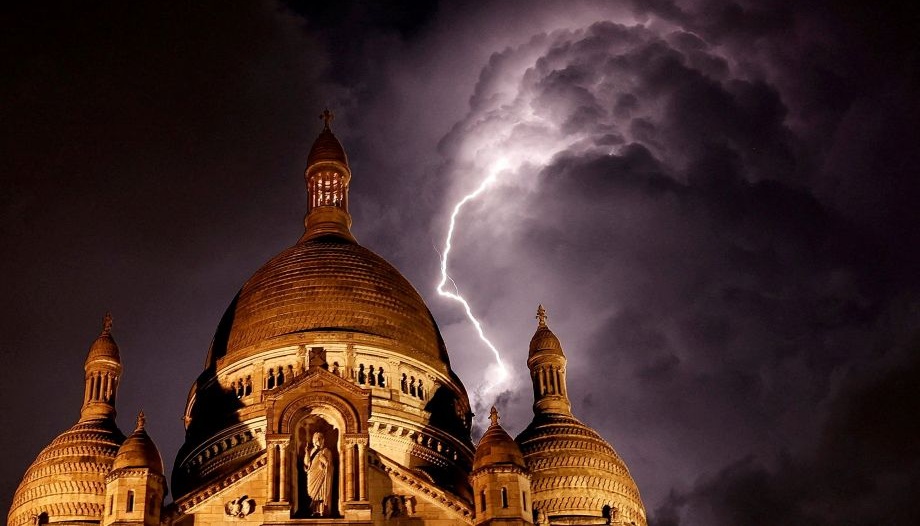
Shrine of St. Pio of Pietrelcina (San Giovanni Rotondo, Italy)
There is a small corner of the Apulia region that became a mass phenomenon thanks to Padre Pio, a Capuchin friar famous for his stigmata, his mystical gifts, and his dedication to the confessional during the 20th century. His tomb and the modern church designed by Renzo Piano welcome a constant stream of pilgrims seeking solace or miracles, with annual visits reaching as high as 7 million.
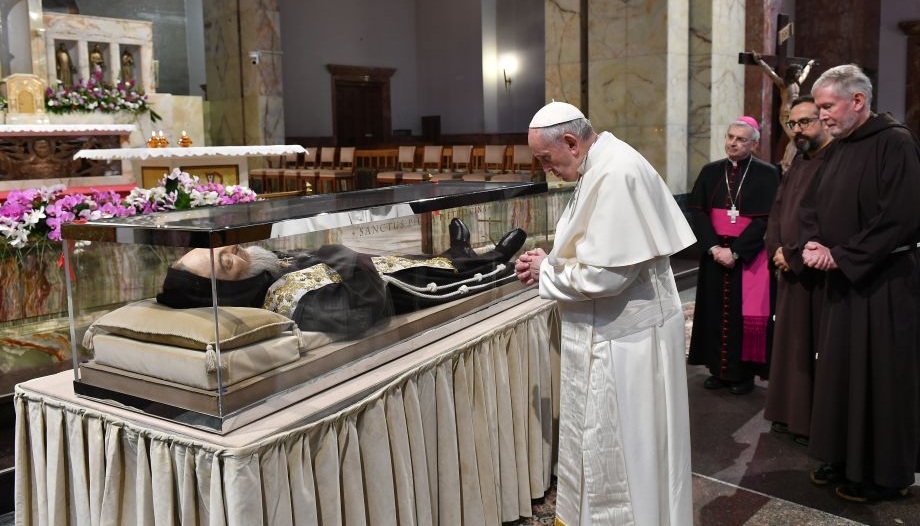
Shrine of Our Lady of Lourdes (France)
In 1858, a young shepherdess named Bernadette Soubirous claimed to have seen the Virgin Mary in the grotto of Massabielle. A spring flowed from there, and it is said to have miraculous properties.
Today, Lourdes is the premier destination for the sick and people with disabilities from around the world, known for its torchlight processions and baths in holy water. It welcomes about 6 million people each year.
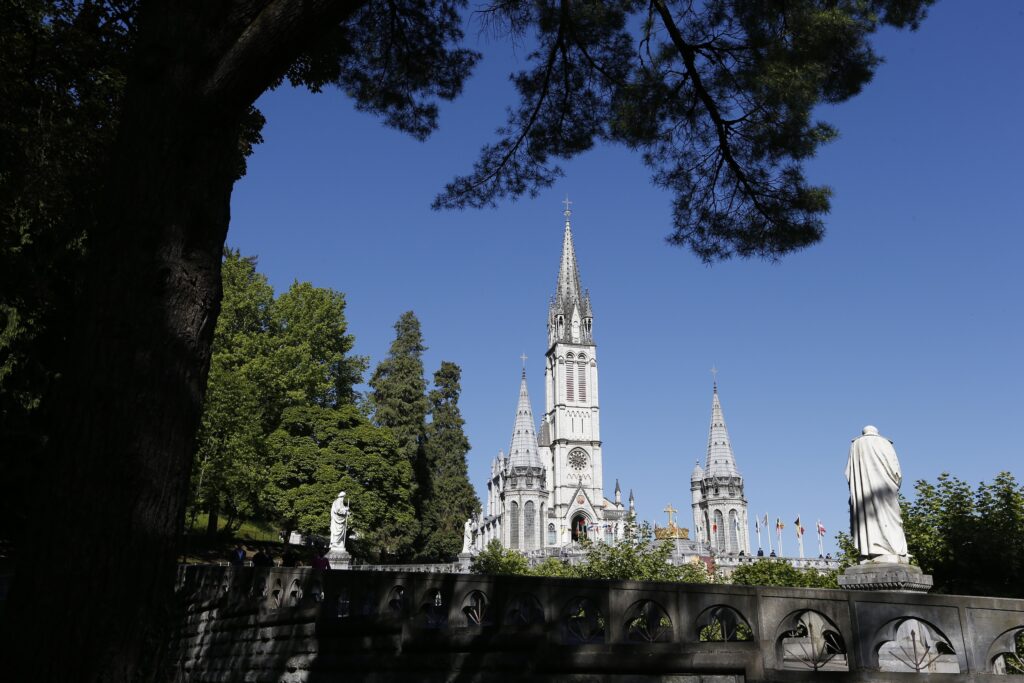
Shrine of Our Lady of Fatima (Portugal)
In the midst of World War I (1917), three shepherd children claimed to have witnessed the apparitions of the Virgin Mary and the famous «three secrets of Fátima.» The vast esplanade of the shrine, which is twice the size of St. Peter’s Square, is particularly impressive on nights in May and October, when thousands of lit candles illuminate the darkness. That is why it welcomes nearly 6 million pilgrims each year.
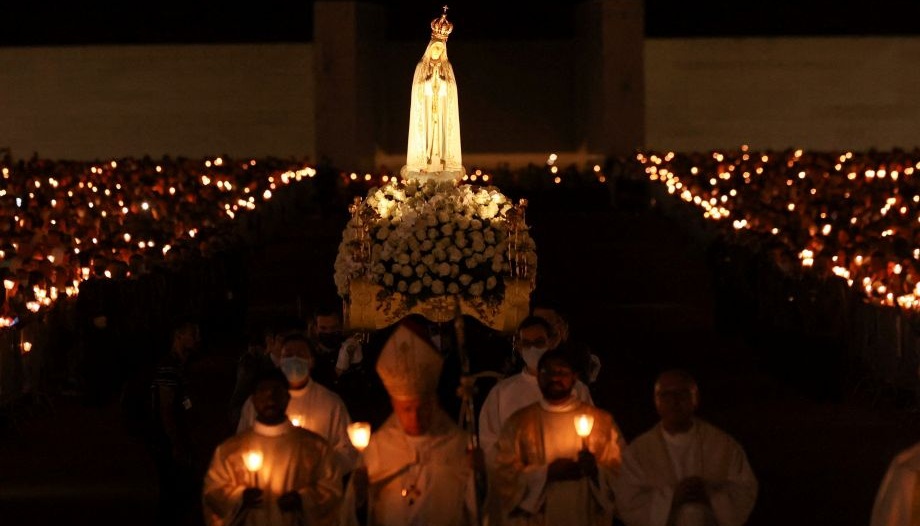
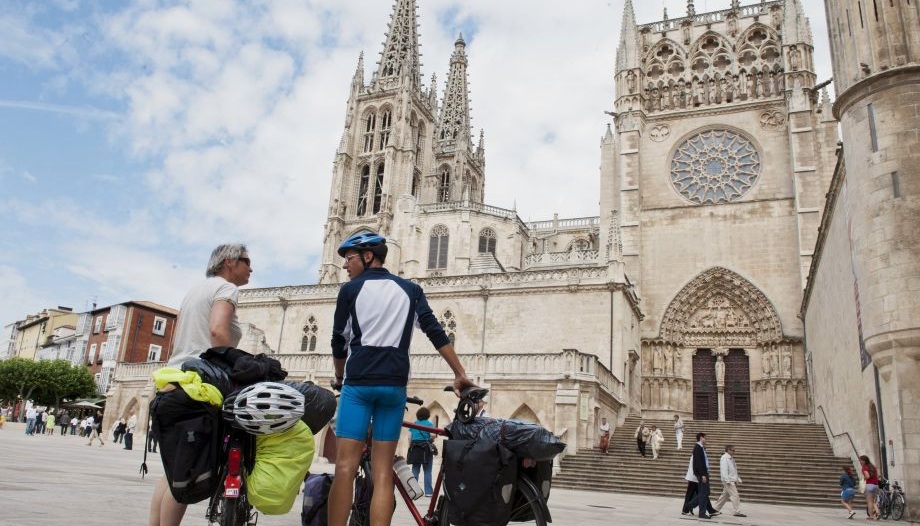
Cathedral of Santiago de Compostela (Spain)
The final destination of the historic Camino de Santiago, this cathedral It has been the guardian of the tomb of St. James the Greater since the 9th century.
Although it attracts conventional tourists, what makes it unique is the thousands of pilgrims who walk hundreds of kilometers on foot from different parts of Europe to embrace the Saint and watch the famous Botafumeiro swing. Together, they account for nearly 5 million visitors annually.
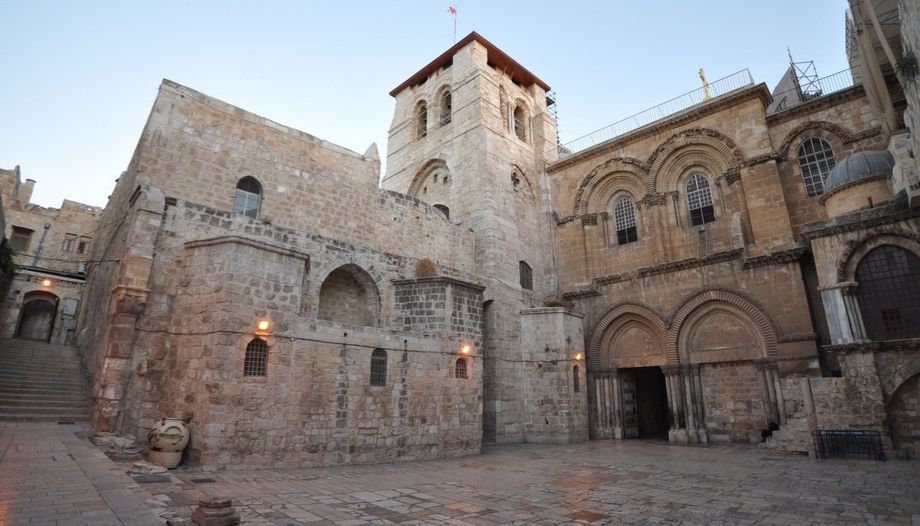
Church of the Holy Sepulcher (Jerusalem, Holy Land))
Theologically speaking, there is no place more sacred to Christianity. The basilica encompasses Golgotha (where Jesus was crucified) and the empty tomb of the Resurrection.
Its custody is shared among several denominations (Franciscan Catholics, Greek Orthodox, Armenians, among others), making it a fascinating—and sometimes complex—mosaic of traditions and liturgy.
Each year, the Holy Sepulcher It receives between 2 and 4 million visitors.





 Español
  English
  Italiano
  Français
  Deutsch
  Polski
  简体中文
简体中文