


– Inés San Martín, OSV News
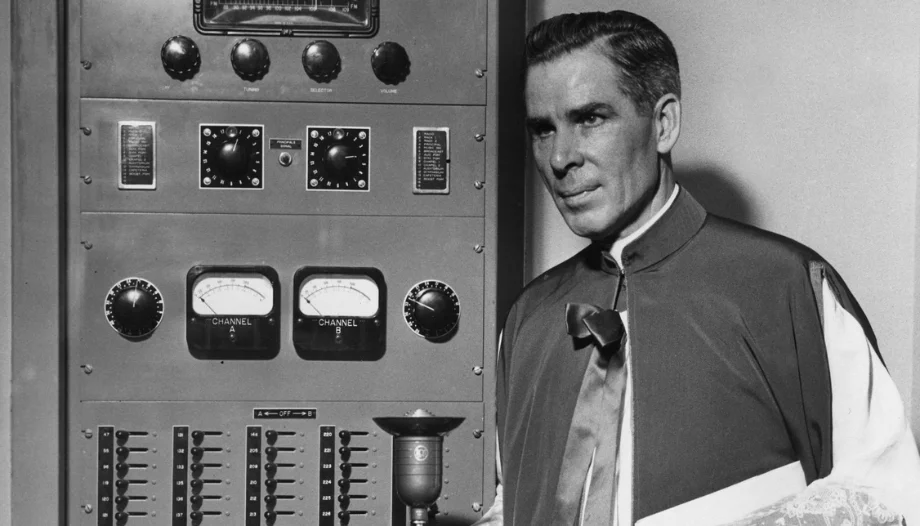
When Archbishop Fulton J. Sheen is beatified On September 24 in St. Louis, attention will rightly focus on the famous televangelist, whose broadcasts brought Catholic teachings to millions of American households.
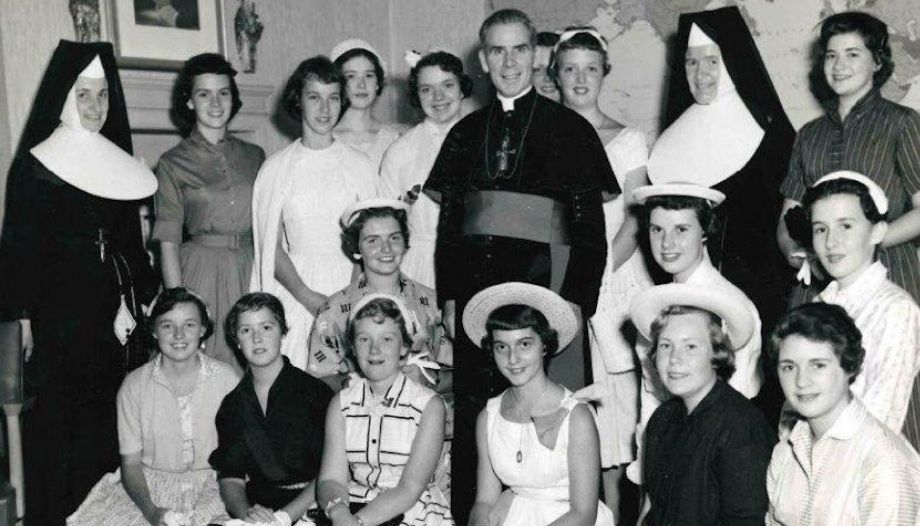
But for two decades, behind Archbishop Sheen’s extraordinary influence, there was a group of virtually unknown women who opened thousands of letters, recorded donations, and thanked the donors. In short, they helped turn his words into material support for missionaries and fledgling churches around the world.
Sheen, national director of one of the four Pontifical Mission Societies
Archbishop Sheen served as national director of the Society for the Propagation of the Faith, one of the four Pontifical Mission Societies, from 1950 to 1966. This society coordinates the World Mission Sunday, the annual global fundraising day that supports the Church's work in more than 1,100 mission territories.
This responsibility was central to Archbishop Sheen’s priesthood and public ministry. In addition to his work in radio and television, he traveled, preached missionary appeals, and served as editor of MISSION magazine, which began publication in 1951 by the national office of the Society for the Propagation of the Faith.
Whenever the prelate spoke about the missions on television, delivered a sermon, or published a new issue of the magazine, the response came in the form of between 8,000 and 10,000 letters a day, filled with notes of thanks and donations.
Envelopes poured into the organization's national office in New York. Some contained large checks. Others contained just a few dollars, coins saved by children, or brief notes explaining the sacrifice behind the gift.
And behind the scenes, a small army of women opened those envelopes, recorded the donations, and made sure the donors received a response.
‘Our office would be overwhelmed’
Helen Fitzpatrick was one of “the girls,” as they’re still affectionately called.
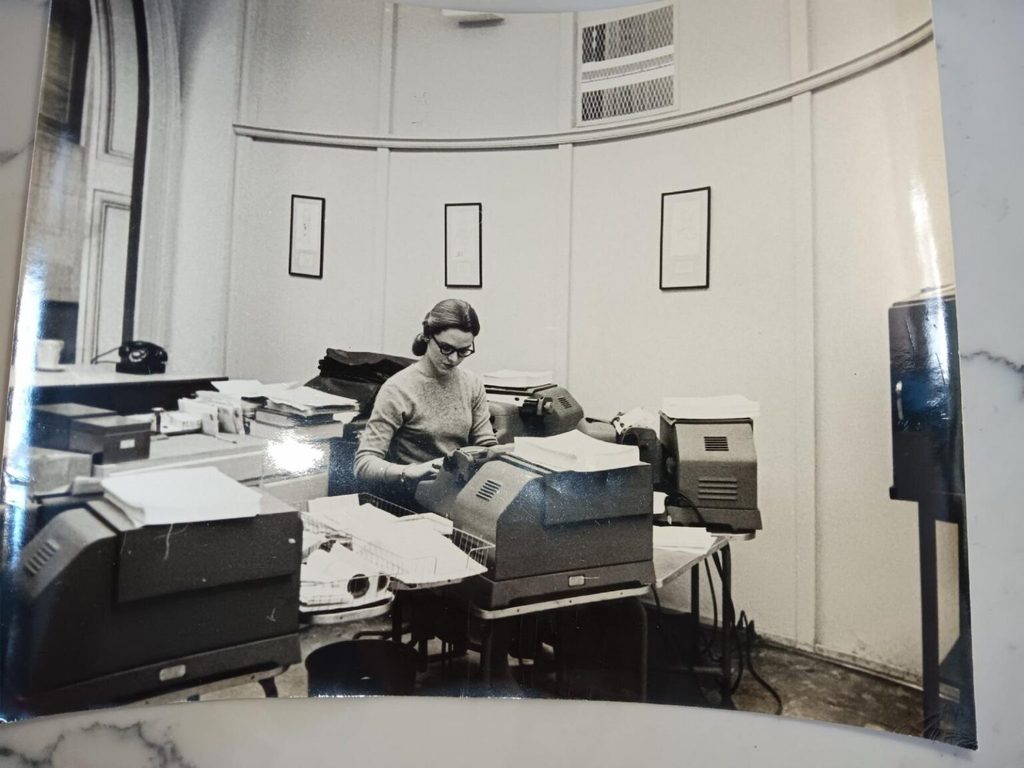
Fitzpatrick, who is now 89, began working part-time for the organization in 1954, while he was a senior at St. Vincent Ferrer High School in Manhattan. After graduating, he joined the staff full-time and remained there for about a decade.
Her main responsibility was to make sure that thank-you notes were sent to those who supported the missions. The work was constant.
“No matter where he was (Archbishop Sheen), the office was never short of work,” Fitzpatrick recalled. “Every time he sent out an appeal or printed the magazine, our office was swamped.”.
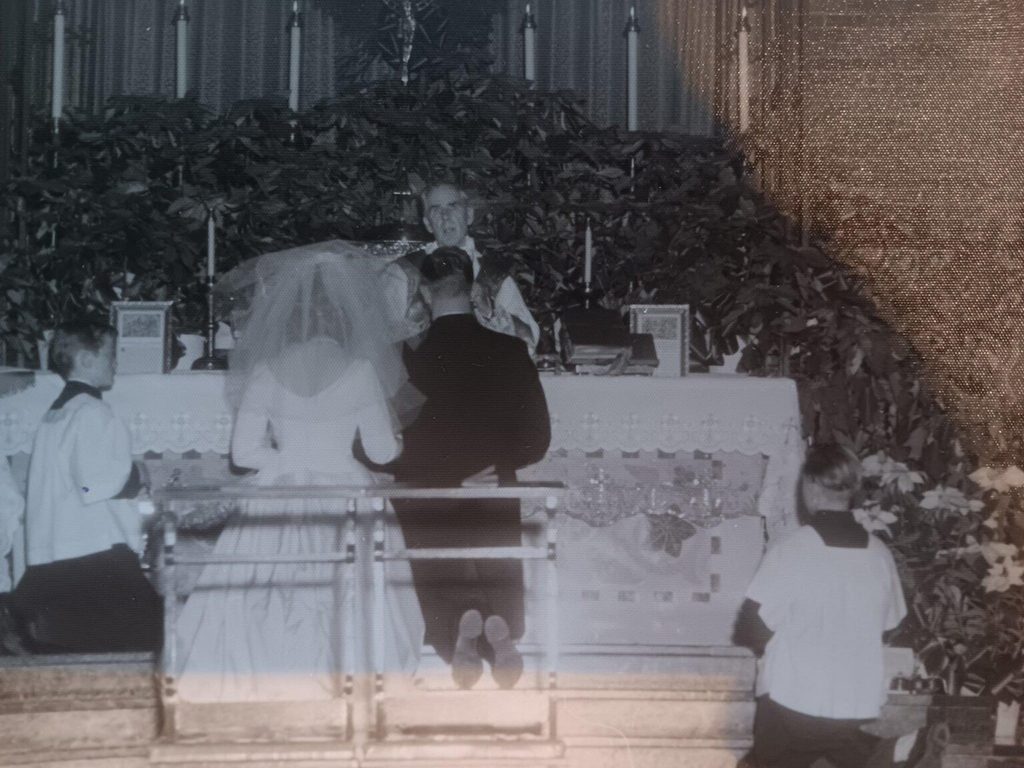
Bernadette Schumann, also in her eighties, recalls that the women worked in two rooms, surrounded by correspondence linking ordinary American Catholics with the missionary Church.
Each envelope represented someone who cared about the missions
“There were so many letters and so much work, but we knew that every envelope represented someone who cared about the missions,” said Schumann, whom everyone calls “Bernie.” “We were proud to be a part of it.”.
Archbishop Sheen also made sure that the staff understood the spiritual purpose behind the paperwork.
“Every afternoon at three o’clock, we would stop whatever we were doing and pray together the World Missions Rosary”, Schumann said. “Bishop Sheen made sure that our work in the missions was always rooted in prayer. He also took the time to introduce us to visiting missionaries so we could see who we were helping, even though not all of us could accompany him on his missions.”.
From Cuba to New York, and off to work for the missions
For Beatriz Mendoza Orlansky, the path to the Society for the Propagation of the Faith began with exile and an unexpected change of plans.
She had ten siblings; she left Cuba with her family in 1960 and settled in Miami after Fidel Castro came to power. That same year, she traveled to New York with a cousin and a friend because, as she put it, “that was the dream we all had.”.
His family already knew Archbishop Sheen. Before the Cuban Revolution, he had traveled to the island to officiate at a relative’s wedding. The archbishop also arranged for his sister Sofía to receive a scholarship to attend Rosemont College, a Catholic women’s college in Pennsylvania that was then run by the Sisters of the Holy Child Jesus.
Young, single, and hoping to become a flight attendant, Mendoza approached Archbishop Sheen with a request. TWA (Trans World Airlines), which he had dubbed “Fly with Angels,” sponsored his television show, and she wondered if he could put in a good word for her.
“He told me I wouldn’t become a flight attendant,” she recalled. Instead, Archbishop Sheen put her to work for the missions.
“My job was to open the letters, collect the money, and send the thank-you notes,” he said. “It was a privilege to work there with him.”.
By the time he joined the staff, the daily recitation of the rosary was no longer part of the office routine. But the 3:00 p.m. break remained.
“He would always come out at 3 p.m. and share a three-minute reflection with us that reminded us why what we were doing mattered,” she said.
«We do the impossible right away.».
During those years, the office began producing donor thank-you notes in-house—a task significant enough to resemble a small printing press. A sign at the entrance reflected the spirit of the staff: “The impossible, we do right away. Miracles may take a little longer.”.
Mendoza and her husband, Héctor Orlansky—an Argentine man she married 52 years ago—came to feel a deep admiration for Archbishop Sheen.
“He was one of my heroes,” said Héctor, “a man with a depth of knowledge and wisdom I’ve never seen in my life.”.
Dozens of women helped support the Society for the Propagation of the Faith during the 16 years that Archbishop Sheen served as its national director. Some married and started families. Others entered religious life. Most are no longer with us, and their contributions were often known only to their colleagues and family members.
The Missionary Calls of the “Microphone of God”
Mary Regis McLoughlin, who died in 2022, was the executive editor of MISSION magazine during the 1960s, overseeing its day-to-day operations while Archbishop Sheen remained its editor-in-chief.
Sister Marlene Brownett, a member of the Society of the Holy Child Jesus who died in 2024, worked in the Office for the Propagation of the Faith before entering religious life. She later became a close friend of Archbishop Sheen and served on the board of the Archbishop Fulton J. Sheen Foundation.
None of the women interviewed by OSV News expects to be in San Luis for the beatification. But the celebration will also belong, to some extent, to them and to the many women whose names have been lost to history.
Unbeknownst to the millions of people who tuned in each week to listen to the man known as “God’s microphone,” his work helped ensure that his missionary appeals inspired much more than just admiration. Letters were answered, donors were thanked, missionaries were supported, and countless small sacrifices were made toward the Church’s global mission.
—————–
– Inés San Martín writes for OSV News from Argentina. She is the editor of MISSION magazine, a publication of the Pontifical Society of the Masses. A version of this article will appear in a special issue of the magazine honoring its founder, Archbishop Fulton J. Sheen.
– This information was originally published in OSV News, and you can read it there here.






 Español
  English
  Italiano
  Français
  Deutsch
  Polski
  简体中文
简体中文