


– Caroline de Sury, Paris, OSV News
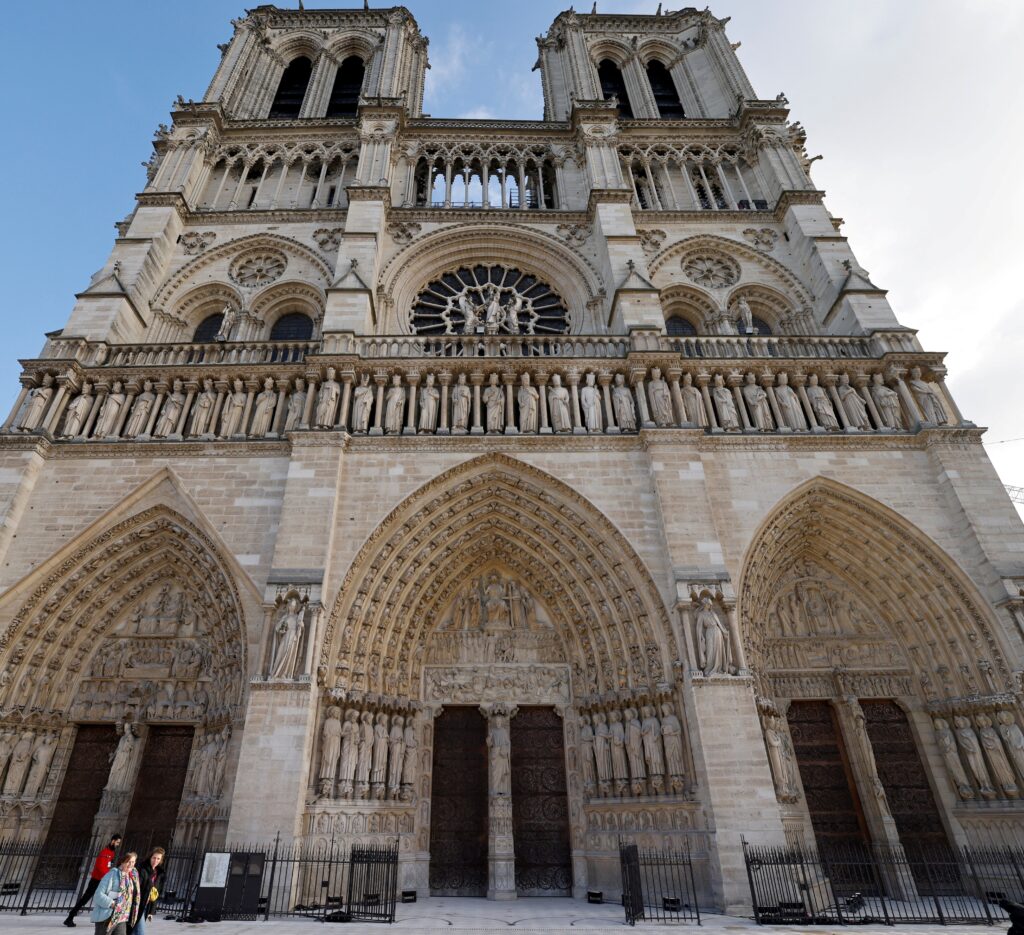
During Pope Leo XIV’s upcoming apostolic trip to France, the Pope will celebrate Vespers at Notre Dame Cathedral in Paris, marking the first papal visit since the cathedral reopened its doors on December 8, 2024, following the renovations carried out after the tragic fire in 2019.
French cardinal present during the Pope's trip to Spain
Accompanied by several bishops from the Permanent Council of the French Bishops' Conference, Cardinal Jean-Marc Aveline of Marseille traveled to Barcelona on June 10 to participate in the Pope's visit to Spain, which included a Mass and the dedication of the Tower of Jesus Christ at the Basilica of the Sagrada Familia.
“As the images show, the Spanish people are experiencing this visit with immense joy and deep fervor,” Cardinal Aveline wrote in a statement on June 9. “And we firmly believe that we must actively prepare to welcome the Pope to France.”.
According to the Archbishop of Marseille, the next trip, announced on May 6, is “a grace that God wishes to bestow upon France and our Church,” and several official events have already been scheduled.
The cardinal, who is currently president of the French Bishops“ Conference, stated that he had invited Pope Leo to visit the country ”from the very beginning of his pontificate.”.
“It wasn’t hard to convince him, given his deep regard for our country, its role in the world, its rich spiritual history, and its missionary zeal,” added the president of the French Bishops’ Conference.
“Back in April, I began working with him on the draft itinerary for this apostolic trip to France and his visit to UNESCO headquarters,” said Cardinal Aveline.
The Pope will visit Notre Dame Cathedral, UNESCO headquarters, and Lourdes
It is a much-anticipated moment. Pope Leo XIV will visit the recently renovated Notre Dame Cathedral in Paris on September 29, where he will celebrate Vespers. Priests, deacons and their spouses, as well as consecrated persons, men and women religious, and seminarians from all over France are invited to attend.
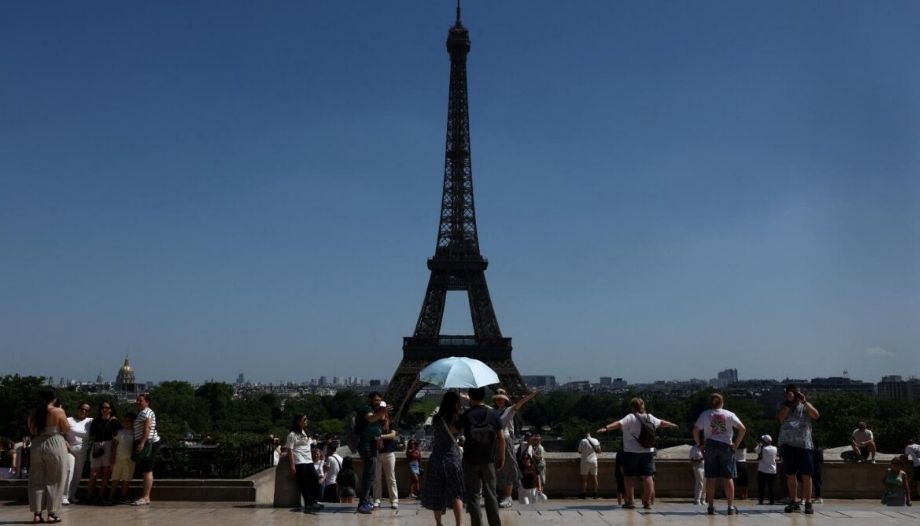
The Pope will also visit UNESCO, the United Nations Educational, Scientific and Cultural Organization, located near the Eiffel Tower. This year, the organization is celebrating the 80th anniversary of its first session in Paris, which took place in late 1946, following the signing of its founding charter a year earlier.
That same evening, the Pope will take part in a large prayer vigil with French youth, likely in central Paris.
On Saturday, September 26, he will celebrate a solemn outdoor Mass in Paris, at a location that has not yet been confirmed.
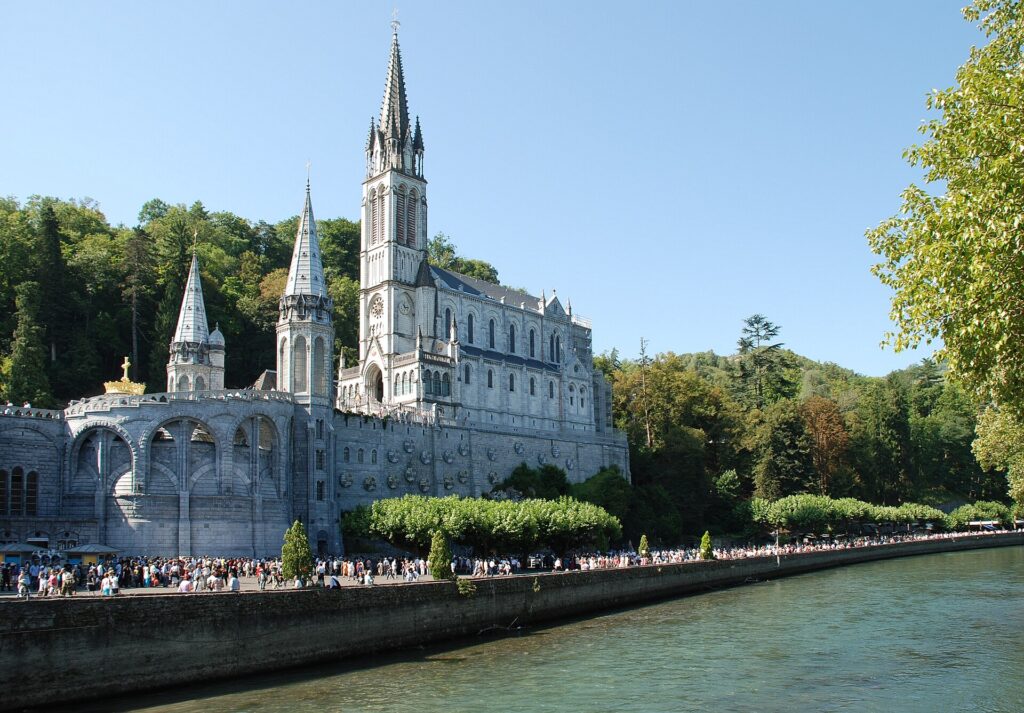
Pope Leo XIV will then travel to the Marian shrine of Our Lady of Lourdes in southwestern France, at the foot of the Pyrenees. He will celebrate Sunday Mass on September 27 on the meadow in front of the grotto where the Virgin Mary he showed up to Saint Bernadette in 1858.
Mass at the medieval cathedral in Metz
After Lourdes, the Pope's trip will conclude with a stop focused on European identity. On Monday, September 28, he will travel to Metz, in northeastern France, to celebrate Mass at the medieval Cathedral of Saint-Étienne.
Metz is located in the French department of Moselle, part of the historic region of Lorraine and the place where Saint Joan of Arc lived in the 15th century. This part of Lorraine, along with the region of Alsace, was annexed by the German Empire between 1871 and 1918, which fueled conflicts between France and Germany during the two world wars.
Since then, Metz has been a city deeply associated with Franco-German reconciliation. Near Metz lies the small town of Scy-Chazelles , where Robert Schuman, one of the founding fathers of the European Union, is buried. A French statesman with both German and French cultural roots, Schuman devoted much of his career to reconciliation after World War II.
Robert Schuman, buried near Metz
The “Schuman Declaration,” published in Paris on May 9, 1950, when its namesake was serving as Minister of Foreign Affairs, is considered the founding document of European integration.
Schuman was a devout Catholic who attended Mass daily and prayed the Liturgy of the Hours. He was declared Venerable by Pope Francis on June 19, 2021. Pope Leo XIV could draw inspiration from his example as a Christian committed to peace and the common good to foster a renewed sense of purpose in Europe, echoing the message he conveyed to the Spanish Parliament on June 8.
The Holy See is expected to finalize the itinerary for the Pope's trip to France in the coming weeks.
I might visit a large palliative care center: to be confirmed
According to diplomatic sources, the Pope may visit the Jeanne Garnier Medical Center in Paris, the largest and most prestigious palliative care center in France and Europe. This visit could be significant in a country currently embroiled in intense debates over a proposed bill euthanasia. However, the visit to the center has not yet been confirmed.
Founded in the 19th century by Jeanne Garnier, a devout Christian woman, the clinic was a pioneer in palliative care. It received a new boost in 1996 thanks to Cardinal Jean-Marie Lustiger of Paris, a Catholic cardinal of Jewish descent who was admired by Saint John Paul II.
Despite strong opposition from the French Senate, a new law on “assisted dying”—against which the French bishops are waging a vigorous campaign—could pave the way for euthanasia to become more accessible if the French National Assembly approves it in July.
Meanwhile, an organizing committee headed by Bishop Benoît Bertrand of Pontoise was established in France to coordinate the logistical preparations for the papal visit.
For Cardinal Aveline, the most important aspect of the upcoming visit is its “spiritual” nature. “Above all, we must prepare ourselves to receive the grace that God wishes to bestow upon France and our Church,” he emphasized.
“Through our inner openness and our missionary zeal, let us prepare ourselves to cooperate in the work that the Holy Spirit will accomplish in our hearts during the visit,” wrote Cardinal Aveline, entrusting the preparations to the prayers of the faithful.
—————
– Caroline de Sury writes for OSV News from Paris.
————–






 Español
  English
  Italiano