


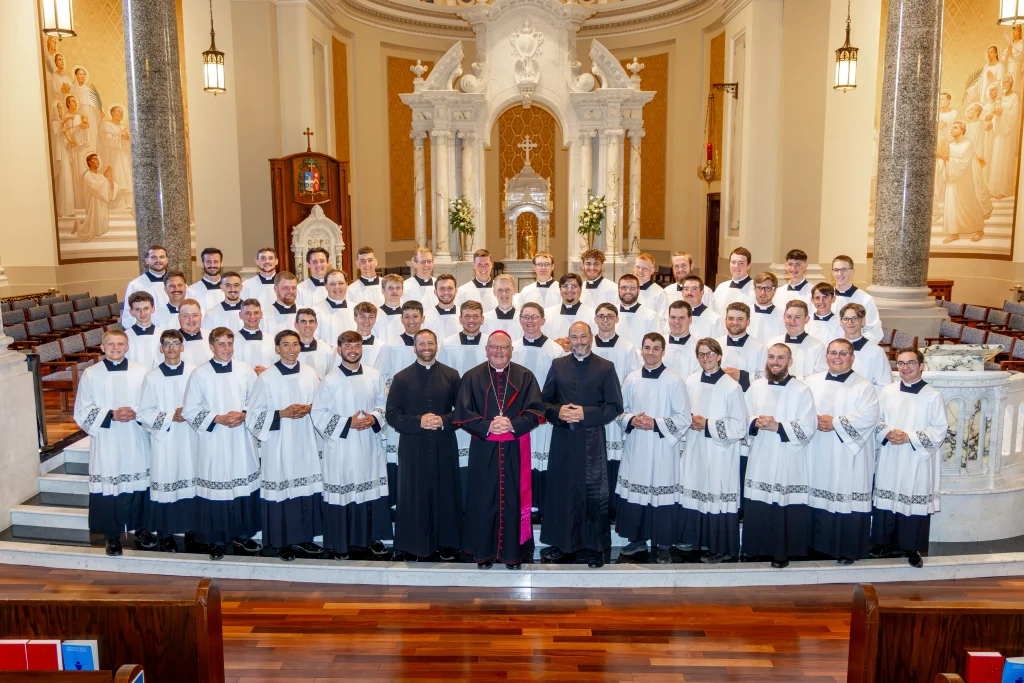
The Diocese of Wichita, in Kansas, has established itself as a national leader in promoting the priestly ministry, by far topping the vocation rankings in the United States. According to a recent report by Vocation Ministry, the smallest and most cohesive dioceses achieve the best results, with Wichita reaching an impressive 195 per cent of the rate needed to maintain its number of priests. This picture contrasts with the reality of large dioceses with larger Catholic populations, which face significant challenges in ensuring the next generation of priests and securing sufficient seminarians.
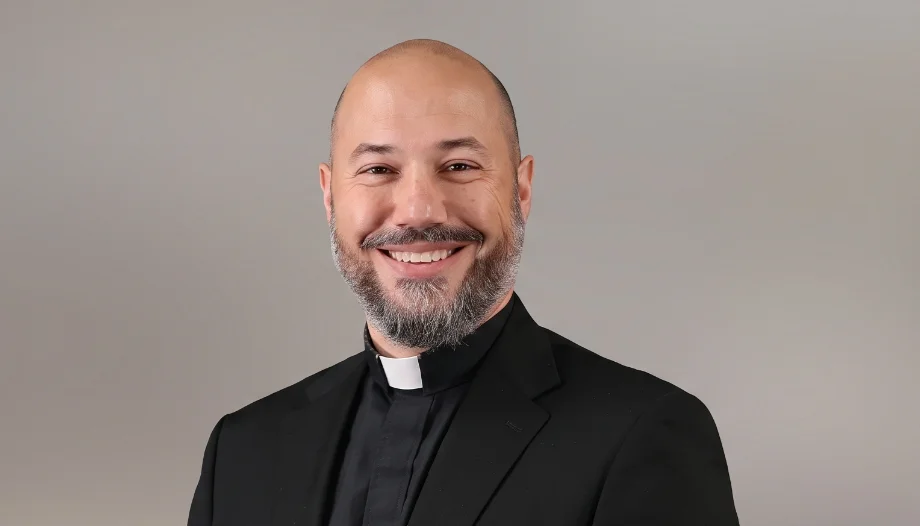
To explore the factors behind this remarkable surge in vocations, we spoke to Fr Chad Arnold, a diocesan priest and rector of the St Philip Neri SeminarySt. Philip Neri Seminaryin the Diocese of Wichita. Drawing on his experience of priestly formation and community life, he shares with us the pastoral principles that have made this small diocese a model of vitality and hope for the Church.
The Diocese of Wichita is regarded as a model of vocational abundance. To what factors do you attribute this sustained response from young people?
The blessings of vocations come from many factors. First, wide availability of Eucharistic Adoration chapels. Most of our parish have Eucharistic adoration, some perpetual chapels. This allows the young people to come before God in silence anytime they want and listen for His voice.
Second, we have a very healthy presbyterate. The priests are all ages, enjoy one another and form a truly supportive fraternity. Young men see our priests praying together, laughing together, and enjoying real supportive brotherhood.
What other factors contribute to a culture of vocation?
Our diocese has a great emphasis on stewardship. The idea that all that has been given to me is from God and I have a responsibility to use it well, including my gifts and my vocation. This same model also allows us to provide exceptional catholic schooling for any practicing Catholics who desire it. Our young people are well formed in the faith.
Finally, good leadership. We have been blessed with caring and devout Bishop for many decades. They have steadily led us.
How do families and local parishes work together directly to identify and support potential vocations?
All of our parish receive our yearly vocations poster and have them displayed. Many of them encourage their people to offer a holy hour for individual men.
We also have 4 Serra clubs in the diocese. This is a group that meets regularly to support vocations through prayer, start of the year care packages, writing letters to the men, and running grade school vocations rally.
Finally, we also try to bring pastors in regularly to the seminary to spend time with the men.
How are you approaching the implementation of the new Propaedeutic Stage requested by the Holy See for the early years of formation?
Thankfully, much of what we were already doing aligned well with the new Propaedeutic stage. We had already developed a local program so that the men could get to know the diocese and the Bishop before going off to a distant seminary. In our House of Formation/Seminary we focus on traditional basic human skills.
We have no hired staff, so the men do all the cleaning, maintenance and cooking. We have 5 sit down meals a week, in which teams of men prepare the dinner.
We also have regular 'skills' classes which deal with woodworking, automotive, electrical, plumbing, cooking, shooting and sewing.
What advice would you give to a vocations director from another diocese who is seeking to revitalize vocational ministry in his region?
The best advice I can give is do not be discouraged. Don't try to do it alone. First and foremost, the Lord of the harvest must be deeply involved, through regular prayer, petition, fasting, etc. But other priests and lay people must also feel invested. Vocations are everyone's business.
For a young person who feels a sense of vocational calling today but does not dare to take the first step, what would be your main message?
My main message to a young person would be the words Jesus most often repeats in the Gospel, 'Do not be afraid.' Whatever we give God, He will not be outdone in generosity. When we say yes to God, we do not regret it.





 Español
  English
  Italiano
  Français
  Deutsch
  Polski