


– Molly C. Scheahan, OSV News
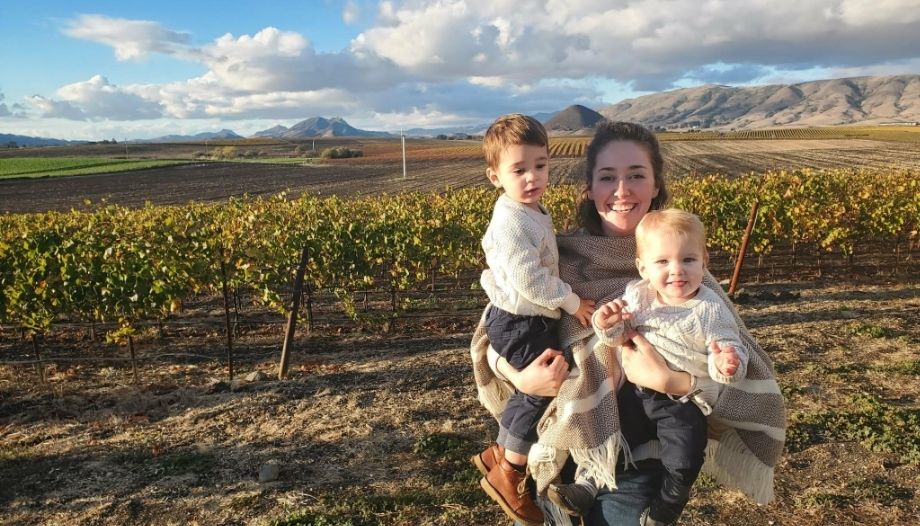
The reaction of loved ones upon learning of a complicated or unexpected pregnancy is crucial for the mother. “Our friendship with the pregnant woman should help give her hope that it is possible,” Echeverry told OSV News.
In the coming weeks, we might ask ourselves: What do expectant mothers really want to hear when they share the big news?
Mothers with Unexpected Pregnancies: Listening and Support
Time and again, the mothers who spoke with OSV News—some of whom asked to be identified only by their first names—agree that the first word should be: “Congratulations!”.
Elaine, a former Coast Guard officer from Northern California, had two unexpected pregnancies during her military service. She felt deeply loved and supported when her brother reacted to the news with pure joy and enthusiasm: “A baby! Congratulations! I’m so happy for you. I know you’ve always wanted to be a mom.”.
Many women suggested practicing by saying “Congratulations!” so that it would come naturally in the moment, and then asking questions like “How are you feeling?” and «How can I support you while you’re in school?”.
Elaine added that this approach “requires seeing and loving every woman during her pregnancy and welcoming every baby as a blessing—especially when it’s difficult.”.
Support her as a friend so she doesn't feel alone
“The little things matter,” said Hayley, a mother of five young children from Idaho. “A blanket, a gift, a ride to an appointment. It takes surprisingly little for a woman to go from feeling alone to feeling like she has someone to turn to.”.
Several mothers urged others to step in and support her: organizing a meal rotation, hosting a baby shower, doing the dishes or laundry, taking the older children to the park in the afternoon, or explaining her rights regarding paid family leave and Title IX. This is the federal law that prohibits discrimination on the basis of sex in educational programs or activities that receive federal funding.
When Alyssa Grasinski, from Indiana, was preparing for the arrival of her first daughter while studying law, she found it very meaningful that her friends invited her out for milkshakes or tea instead of going to places less suitable for mothers, such as coffee shops or bars. A classmate put together a gift package for her containing “items to relieve nausea, some delicious tea, a journal, and a personalized greeting card.”.
Jess Echeverry is now mother a mother of adult children and an advocate for homeless families. She encourages Christians to to offer hope, serving as a vital source of support for them.
“What matters most is our constant presence, not necessarily what we can offer,” he said.
Do not judge or criticize
Many women have said they faced harsh judgment and criticism, especially if the pregnancy was unexpected: “Do you know what causes that?”, “Your husband doesn’t have a job yet,” “Oh, no, what are you going to do?”, “Are you sure this is the right time?”, “Was it planned?”.
Others have faced threats of being kicked out of their homes, a deathly silence, or lukewarm responses from the very loved ones from whom they needed the most support.
Hayley explained that judgment is often based on freedom of choice or the options available: ““Well, you kept the baby. So you chose this. You’re on your own. Good luck.” We need to move beyond that mindset as a society.”.
Sarah, a mother from the Midwest, urged the listener to “give the expectant mother space to feel whatever she feels, without sharing her own feelings.”.
Some family members or friends see their own dreams dashed because of their friend or child, but it's important not to burden the expectant mother with those problems.
At the same time, several women said they understood their loved ones“ strong emotional reactions. Elaine suggested making a firm statement if emotions ran too high: ”You’re pregnant! I love you so much, and I’m here to support you through this stage of your life.”.
Love and Support
Taking charge of your own response helps put the new mom at ease and shows deep affection and support. She explained that, regardless of how you feel during the conversation, “you can say ‘I love you’ or ‘I’m here for you as a friend’ at any point in your friendship. Through both the good times and the bad, and it’s always true.”.
Annika's Story: A Nurse
Annika Wheelock, a nurse from Southern California, discovered she was pregnant three months after she started dating her boyfriend; they had broken up just a few weeks earlier. Nervous, she sat on the bed next to him and broke the news to him. “He immediately burst into tears of joy, kissed me, and told me he loved me. We cried together. We were both so happy. There was no negativity, no resentment—just nerves, but above all, excitement. We spent the night whispering until the wee hours of the morning about names for the baby. It was the greatest love I’ve ever felt in my life.”.
Her boyfriend supported her unconditionally throughout her pregnancy, as she dealt with the emotional roller coaster, morning sickness, and exhaustion. In the delivery room, Jonah held her hand and counted each push. “Jonah is a wonderful father and loves both of us very much.” The couple is now happily married and has two young children.
A Space for Feelings
Sarah highlighted the range of emotions that arise during an unexpected or complicated pregnancy, and encouraged people “not to assume how someone feels about the baby on the way.”.
Amber Gray, a lawyer from Washington, welcomed her second child just 11 months after her first. She grappled with the emotions that came with her daughter’s arrival and said, “I didn’t really want to be pregnant, but I discovered that wanting to have a child is a choice you make over time. Once you decide to want and love a child, you will.” She felt understood when someone told her, “It’s okay to feel a little sad and excited at the same time. It’s a good thing, but it’s also hard.”.
Hayley put it simply: “You can acknowledge that intense, vulnerable state while also acknowledging the joy of bringing another life into the world.”.
—————-
Molly C. Sheahan is the assistant director of the Healthy Families program at the Catholic Conference of California. She writes for OSV News from California.






 Español
  English
  Italiano
  Français
  Deutsch
  Polski
  简体中文
简体中文