



 Returning to first love: the keys to “Venite ad me”Young people leaving the networks Protecting children from screens, the battle of Carolina Perez Stephens
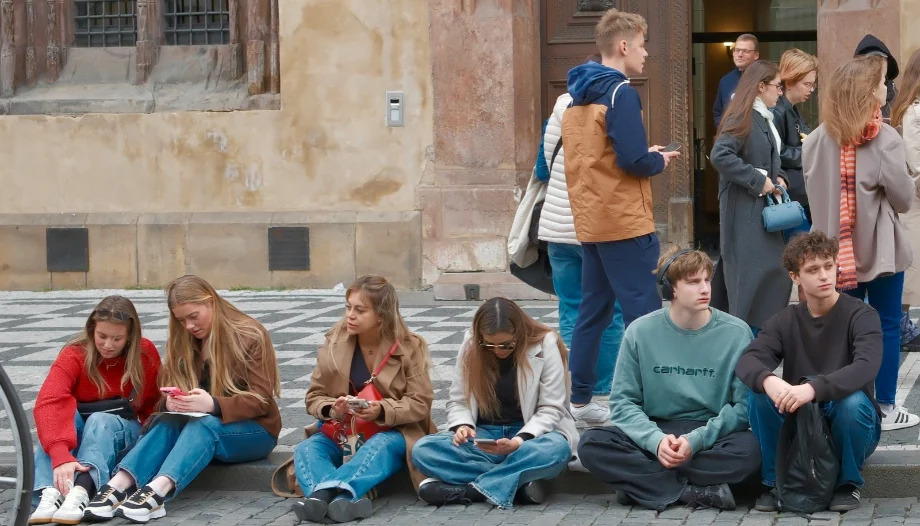
A teenager I know was crossing the street when he was hit by a car. He woke up lying on the asphalt, like a drunk who half-opens his eyes in the wrong house. What happened? A reckless driver? Poor visibility? No, nothing like that. The young man was simply engrossed in his phone.
The anecdote offers a clue to one of the greatest challenges facing evangelization today. How do we show the appeal of Jesus Christ to young people who are so distracted by life? It's not that they are ill-disposed or bad people, but simply that their minds are elsewhere.
Any educator understands the reason: the problem is not the fish, but the water in which they swim. As Pope Leo XIV warned, “the omnipresence of digital media generates a culture of immediacy and overstimulation, which fuels weariness, boredom, and apathy toward the effort involved in seeking the truth” (Magnifica humanitas, 139).
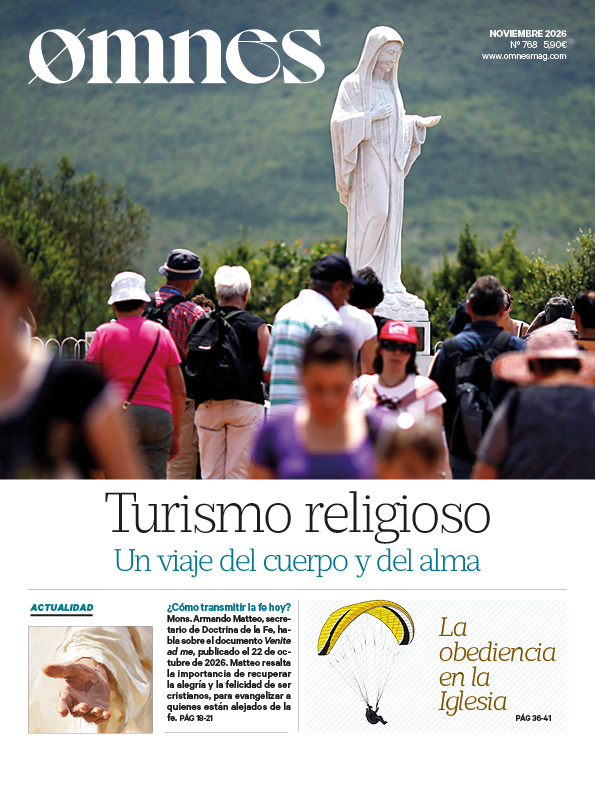
This does not mean that social media lacks potential for transmitting the faith: in fact, it contains a rich source of material to be found (that is, to gather and share). Indeed, the Dicastery for the Doctrine of the Faith has just published Come to me: Considerations on the transmission of faith in a changing era (October 22, 2026), which includes a very illustrative experience from France. It turns out that many French people have decided to be baptized after meeting other believers through social media. However, the same document reveals the other side of the coin: although the demand for the sacraments of Christian initiation has increased, many of those who receive baptism do not persevere and, after a short time, return to a state of practical indifference. Therefore, it calls for “rediscovering the importance of community in welcoming and accompanying new believers.”.
Through social media, young people have access to the lives of Christians. As bait, it works. However, the best fruit of digital evangelization lies in taking them out of those noisy waters and bringing them to other waters where they can sustain a Christian life. What is my basis for proposing this? We have increasing evidence to warn that these platforms can seriously harm the development of children and adolescents. Scientific studies and testimonies from families, health professionals, and even employees of the technology companies themselves have highlighted risks associated with their use: anxiety, harassment or sexual extortion, attention difficulties, problems with cognitive performance… As Bishop Fernando Ocáriz says, “we are talking about a genuine crisis of recollection and attention” (Pastoral Letter on Contemplation, 16-X-2026, no. 6).
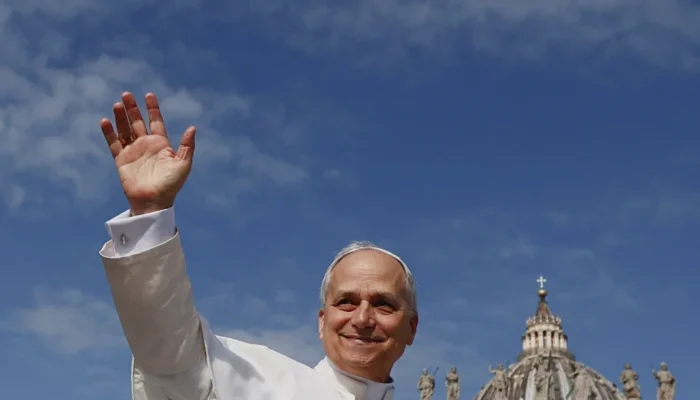
How, then, should we direct our evangelizing efforts? By leading the fish toward cleaner waters: those of face-to-face friendship, service to those in need, a life of prayer, family meals, and the enjoyment of nature. As he points out Monsignor Armando Matteo, secretary of the Doctrinal Section of the Dicastery for the Doctrine of the Faith and one of the signatories of the document Come to me, “we should rediscover the joy of getting together, of singing together (…), without constantly being rushed by the clock.”.
With young people, the evidence gathered by Jonathan Haidt (Anxious generation, (Deusto, 2024) advises postponing unrestricted access to the internet and social media until at least age 16. Therefore, in short, the best digital evangelization we can offer them is to invite them to leave the turbulent waters of the internet and discover the much clearer waters of face-to-face encounters. Thus, moving through serene and beautiful environments, they can discover the allure of Jesus Christ, fall in love with Him, and, who knows, perhaps even become new apostles themselves, transmitting the faith in this distracted century. The task is as urgent as it is difficult: perhaps we need an angel of the Lord to descend upon us, wielding a fiery sword, to awaken us from our slumber.
Lawyer from the Pontifical Catholic University of Chile, Licentiate in Theology from the Pontifical University of the Holy Cross (Rome) and Doctorate in Theology from the University of Navarra (Spain).





 Español
 English
 Italiano
 Français
 Deutsch
 Polski