


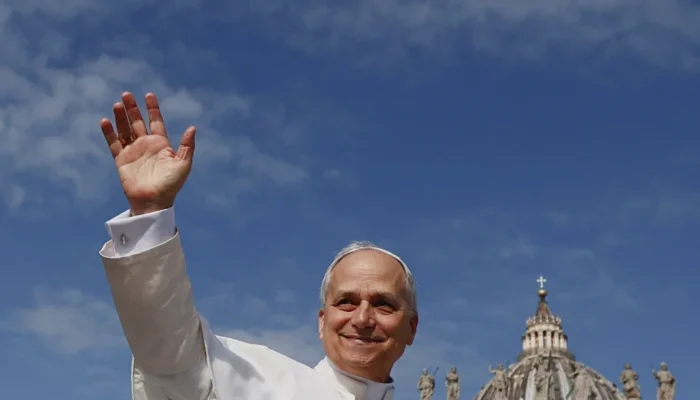
On the occasion of the apostolic journey Following Pope Leo XIV's visit to Uruguay, Argentina, and Peru, we review the lives of ten saints linked to these three countries. Some were born there, others carried out much of their mission in these lands, and several were mentioned by the Pope during his visit. Their stories reveal the spiritual richness of a region marked by great examples of faith, dedication, and service to others.
- Saint Mary Frances Rubatto (1844-1904): Saint Maria Francesca is the only canonized saint from Uruguay, although other causes are underway. She is the Italian founder of the order now known as the Capuchin Sisters of Mother Rubatto. She was born in Carmagnola, Italy, and died in Montevideo, where she was known for her love of Jesus, her missionary work, and her commitment to the poor. She was canonized in 2022. Her feast day is celebrated on August 6.
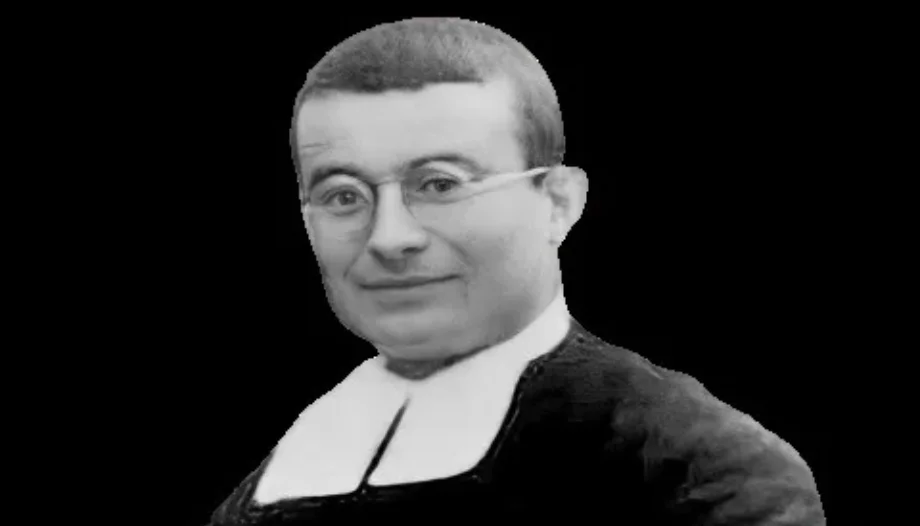
-Saint Benedict of Jesus (1910-1934): Also known by his baptismal name, Héctor Valdivielso Sáez, Saint Benedict was a Brother of the Christian Schools martyred during the Spanish Civil War. He was born in Buenos Aires, Argentina, to Spanish immigrant parents who later returned to Spain. He was one of the ten victims of the Spanish Civil War canonized by Saint John Paul II in November 1999. All the martyrs were priests or brothers working in Spanish schools during the 1930s, when extremist members of a Marxist rebel movement led attacks against priests and religious. Saint Benedict and eight companions from the Congregation of Christian Brothers, as well as a Passionist priest, were shot and killed. His feast day is celebrated on October 9.
-Saint Joseph Gabriel del Rosario Brochero (1840-1914): Saint José Gabriel del Rosario Brochero, affectionately known as the «Gaucho Priest,» was born in Argentina. Ordained for the Archdiocese of Córdoba, he spent years traveling long distances on muleback to reach his flock. Pope Francis, in a 2013 message on the occasion of the priest's beatification—a ceremony planned before the Argentine pope was elected—said that Father Brochero «did not stay in the sacristy combing the sheep,» but went out in search of the lost. The saint became especially famous for caring for the sick and dying, dedicating himself to ensuring they received the sacraments. He eventually contracted Hansen's disease, commonly known as leprosy, possibly from sharing a mate with someone who was infected. His feast day is celebrated on March 16.
– Saint Nazaria Ignacia March Mesa (1889-1943): Saint Nazaria was born in Madrid and recounted that she first felt the call to religious life when she received her First Communion. Upon hearing a voice saying to her, «You, Nazaria, follow me,» she replied, «I will follow you, Jesus, as closely as a human being can.» Due to financial difficulties, her family moved to Mexico, where she entered the Little Sisters of the Abandoned Elderly congregation despite her parents« objections, dedicating twelve years of her life to caring for the elderly in Oruro, Bolivia. After participating in Ignatian spiritual exercises in 1920, she felt a strong desire to form a group that would be »a crusade of love around the Church." Sister Nazaria left her congregation in 1925 and founded a new order, initially called the Religious Congregation of the Missionary Sisters of the Pontifical Crusade. Three years after receiving diocesan approval, Sister Nazaria was elected the congregation's first superior general in 1930. Despite her delicate health, she traveled to Buenos Aires, where she lived until her death. Several years after her passing, the constitution of her congregation was approved by the Vatican, and the order became known as the Congregation of the Missionary Crusaders of the Church. Her feast day is celebrated on July 6.
-Saint Artemis Zatti (1897-1951): Saint Artemides Zatti was a Salesian brother and pharmacist in Argentina, known for his dedication to caring for the sick. Born in the city of Reggio Emilia, in northern Italy, in 1880, Artemides' family emigrated to Bahía Blanca, Argentina, in 1897. At the age of 19, he was admitted by the Salesians to study theology. However, he was forced to abandon his studies after contracting tuberculosis. According to his biography published by the Vatican, he moved to the Andean city of Viedma to recover and, during that time, made a vow to Mary to serve the sick and the poor for the rest of his life if he recovered. After his recovery, he fulfilled his promise and, after professing his vows as a Salesian brother in 1908, worked in a Salesian-run hospital, where he served for over 40 years as a licensed pharmacist, nurse, and operating room assistant, in addition to managing the hospital's budget and staff. Saint Artemides was diagnosed with liver cancer and died in 1951. His feast day is celebrated on November 13.
-Saint Maria Antonia de Paz Figueroa (1730-1799): Saint María Antonia, an 18th-century laywoman known throughout Argentina as «Mamá Antula,» kept the Jesuits' educational mission alive after the order's expulsion from Argentina. She founded the House of Spiritual Exercises, which still stands today. She is the first saint born in Argentina. Her feast day is celebrated on March 7.
-Saint Toribio de Mogrovejo (1538-1606): Saint Toribio, born in Spain, taught law in Salamanca until 1574, when he was appointed Inquisitor of Granada. In 1580, although not yet a priest, he was appointed Archbishop of Lima, Peru, and received episcopal ordination in Seville. After arriving in Lima in 1581, his 25 years of missionary service included diocesan and provincial synods, visits throughout the vast diocese, reforms of the clergy, and the creation of catechisms in indigenous languages. He also introduced European religious orders to Peru, opened the first seminary in the New World, and encouraged indigenous men to become priests. His feast day is celebrated on March 23.
-Saint Narcisa de Jesús Martillo Morán (1832-1869): Orphaned at a young age in rural Ecuador, Saint Narcisa moved to Guayaquil, a large coastal city, where she worked manual labor for 15 years while devoting herself to prayer and good works. In 1868, she moved to Lima, Peru, staying at the hospice of the Lay Brothers of Saint Dominic. This laywoman sought holiness through prayer and self-denial, often praying alone for eight hours a day and doing penance for four hours each night, sometimes wearing a crown of thorns or hanging from a cross. Her feast day is celebrated on August 30.
-Saint Rose of Lima (1586-1617): Born in Lima, Peru, little Isabel de Flores received her more famous name from an Indigenous servant who said she was «like a rose.» As a child, Saint Rose practiced fasting and mortification. After her parents refused to let her enter a convent and she refused to marry, she lived a secluded life at home. At the age of 20, she entered the Third Order of Saint Dominic, using a cottage in the backyard for prayer and caring for poor children and sick elderly people in a one-room infirmary located in her parents' house. She died at the age of 31 and was declared the first saint of the Americas in 1671. Her feast day is celebrated on August 23 in the universal calendar.
- St. Martin de Porres (1579-1639): This son of a freed Panamanian slave and a Spanish nobleman became a hero to the people of Lima, Peru, his birthplace, for his compassionate care of the sick and the poor. At the age of 12, he became an apprentice to a barber-surgeon and also learned herbal medicine from his mother. After working for several years in a Dominican monastery as a member of the Third Order, he took his vows as a lay brother in 1603. He founded an orphanage and a hospital for abandoned children, cared for enslaved Africans, practiced great penance, and experienced mystical gifts. Martin was carried to his tomb by prelates and nobles, and all Peruvians acclaimed him as their beloved saint. He is the patron saint of barbers and of interracial justice. His feast day is celebrated on November 3.





 Español
 English
 Italiano
 Français
 Deutsch
 Polski