



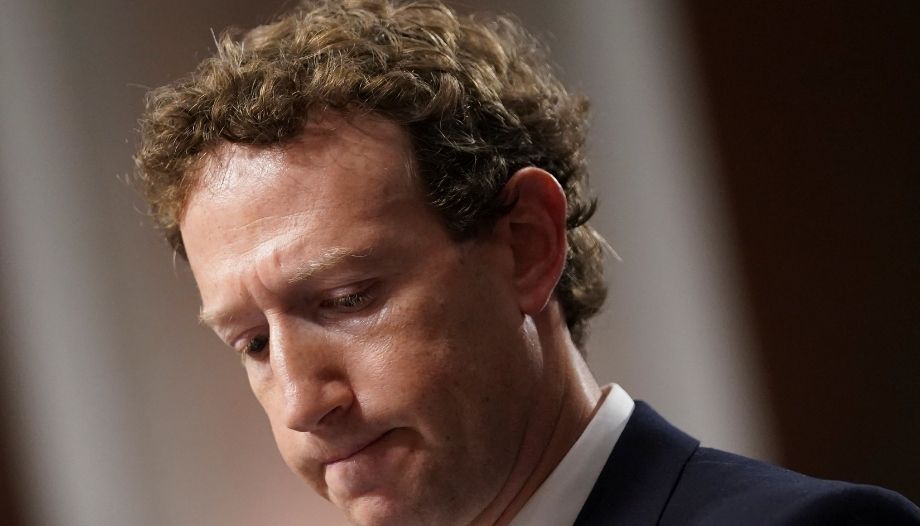
The race for AI is not just technological; it is also ethical and humanistic. The technological empire of social media must have limits—namely, human dignity and health—in light of the allegations made by numerous teenagers from 47 U.S. states who consider themselves victims of psychological and mental harm caused by products on the market that are deemed addictive.
This is corroborated by significant events that are taking place these days.
On August 26, it was viewed the agreement filed in a federal court in California, in which Meta, the owner of Facebook and Instagram, agrees to pay $17 billion—plus an additional $1 billion if Texas is included—to avoid the trial against Zuckerberg. The reason: harm to minors caused by the platform's design addictive on its social media accounts, in the largest legal proceeding in its history.
If it lost the lawsuit, the tech giant would face a cost that was expected to be much higher—perhaps tens or hundreds of billions of dollars.
The Controversy: Up in the Air
All in all, perhaps the most concerning aspect is the wide range of arguments in the controversy, because Meta does not agree with the allegations.
The lawsuit accused the company of contributing to the mental health crisis among adolescents due to the app's addictive design, which was hidden from the public.
However, Goal It denies the allegations and any responsibility. “Ensuring that teens have a safe and productive experience on our platforms is a top priority for Meta,” the company said. “We want to do the right thing for both parents and teens,” it added.
Involves TikTok and YouTube
It has also been announced that payment to the states is guaranteed only at a rate of 70%. Meta will pay the remaining 30% only if Tik Tok And YouTube is committed to taking steps to better monitor how young people use its platforms, and is investing in these efforts.
Some of the measures Meta plans to implement—and hopes its competitors will adopt as well—range from a daily limit of two hours (which could be one hour), restricting notifications in the evening and until noon (including during school hours), disabling algorithms, and so on, in order to reduce smartphone addiction. Australia has banned social media for children under 16, and other countries are considering the issue.
The Law of Profit or Principles?
Another important issue—perhaps even more so—that we mentioned at the beginning is the ethical challenge posed by artificial intelligence models, a matter we might call the humanistic technological challenge.
Pope Leo XIV has sounded the alarm and called for reflection, emphasizing the principle of respect for human dignity, which precedes and governs AI.
The question is what will happen, as Robert Armstrong wrote in the Financial Times on April 30, if companies and their business models “follow one rule above all others: they will seek to maximize returns for their shareholders, up to the limits set by law. When the law of profit conflicts with a company’s internal principles, profit will always prevail.”.
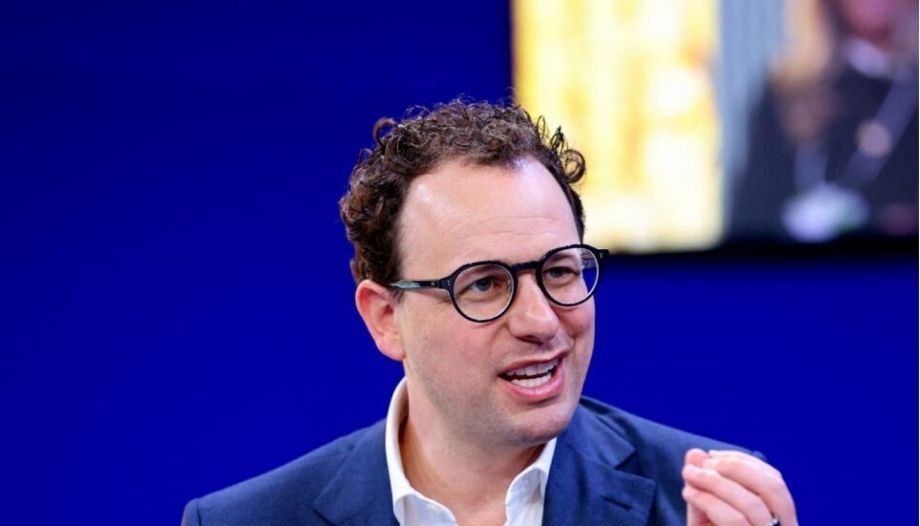
Darío Amodei: Focusing on the Positive Aspects of AI
Dario Amodei says he is “focused day and night on how to move away from the negative outcomes of AI and toward the positive ones.” Armstrong says he believes him. But (…) his words are nothing more than noise. The relevant incentive structures don’t care what he’s focused on.”.
While the FT columnist expresses skepticism, it is important to keep an eye on the the Amodei brothers, Darío and Daniela, the children of a leather craftsman originally from Italy and a Jewish library project manager from Chicago. Both left OpenAI/ChatGPT to found Anthropic (the Claude chatbot), with Darío serving as CEO and Daniela as president.







 Español
  English
  Italiano
  Français
  Deutsch
  Polski